Knee Arthroscopy in Dubai
Advanced Minimally Invasive Knee Surgery for Faster Recovery
UNDERSTANDING THE PROCEDURE
What is Knee Arthroscopy?
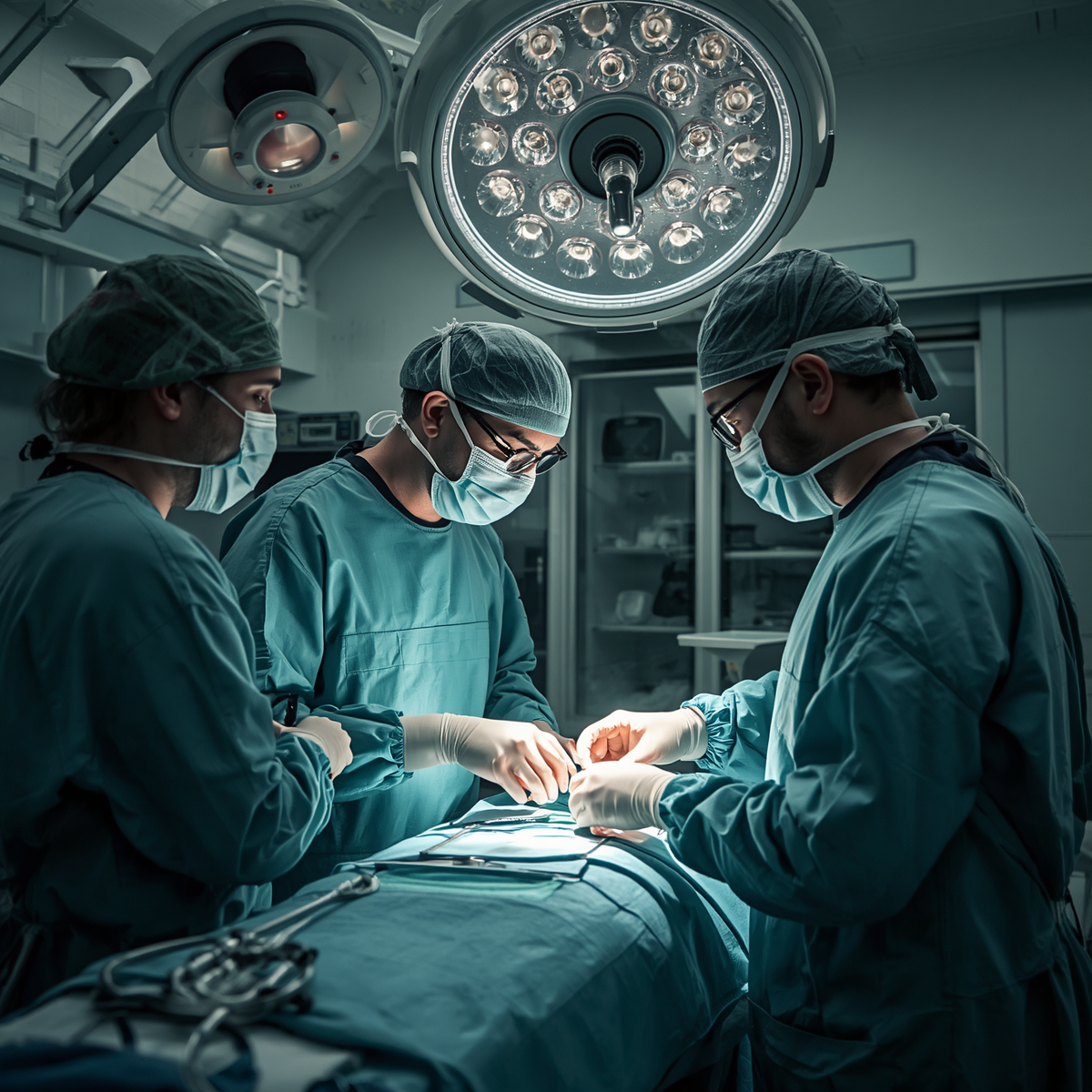
Knee arthroscopy is a minimally invasive surgical procedure used to diagnose and treat a wide range of knee conditions through small incisions. Using a high-definition camera called an arthroscope, Dr. Muhieddine Hamie can examine the inside of the knee joint in detail and perform precise surgical treatment without the need for a large open incision.
Unlike traditional open surgery, knee arthroscopy causes less disruption to the surrounding muscles and soft tissues, resulting in reduced pain, smaller scars, and a faster recovery. It is commonly performed to treat conditions such as meniscus tears, ligament injuries, cartilage damage, loose bodies, inflamed joint lining, and other mechanical knee problems that cause pain, swelling, or limited movement.
Diagnostic Knee Arthroscopy
A minimally invasive procedure used to closely examine the inside of the knee joint when symptoms persist despite clinical examination and imaging. It helps identify cartilage injuries, ligament damage, meniscus tears, and other internal knee conditions.
Therapeutic Knee Arthroscopy
Performed to treat knee conditions using specialized arthroscopic instruments. Common procedures include repairing or trimming a torn meniscus, treating cartilage injuries, removing loose fragments, reconstructing ligaments, and restoring normal knee function.
PROCEDURE COMPARISON
Diagnostic vs. Therapeutic Knee Arthroscopy
Knee arthroscopy is both a diagnostic and therapeutic procedure. In some cases, it is used to closely examine the inside of the knee joint when symptoms remain unexplained. In others, it is performed to treat specific knee conditions through minimally invasive techniques. Dr. Muhieddine Hamie recommends the most appropriate arthroscopic approach based on your diagnosis, symptoms, and treatment goals.
Diagnostic Knee Arthroscopy
Diagnostic knee arthroscopy allows the surgeon to directly visualize the structures inside the knee joint when clinical examination and imaging studies do not fully explain persistent pain, swelling, or mechanical symptoms.
Best For
- Persistent knee pain
- Unexplained knee symptoms
- Cartilage or meniscus injuries
- Confirming knee conditions
Features
- Visualization of the knee joint
- HD arthroscopic camera
- Diagnosis of internal pathology
- Guides future treatment decisions
Recovery
Provides a precise diagnosis, helping determine the most effective treatment while avoiding unnecessary procedures.
Therapeutic Knee Arthroscopy
Therapeutic knee arthroscopy is performed to treat identified knee problems using specialized arthroscopic instruments through small incisions, minimizing tissue damage and promoting faster recovery.
Best For
- Meniscus tears
- Cartilage injuries
- Loose bodies within the knee
- Ligament injuries
Features
- Minimally invasive surgery
- Small incisions
- Reduced pain and scarring
- Faster rehabilitation
Recovery
Treats the underlying knee condition, relieves symptoms, restores joint function, and supports an earlier return to daily activities and sports.
Is Knee Arthroscopy the Right Treatment for You?
Every knee condition is different. After a detailed clinical examination and imaging assessment, Dr. Muhieddine Hamie will determine whether knee arthroscopy is the most appropriate option to diagnose or treat your condition while helping you achieve the best possible recovery.
RECOGNIZE THE WARNING SIGNS
Signs You May Need Knee Arthroscopy
Persistent knee pain, swelling, or mechanical symptoms that do not improve with conservative treatment may indicate an underlying problem within the knee joint. Knee arthroscopy is often recommended when advanced imaging and clinical evaluation suggest a condition that can be effectively diagnosed or treated through minimally invasive surgery.
Persistent Knee Pain
Ongoing knee pain that continues despite rest, medication, physiotherapy, or activity modification and interferes with your daily routine.
Locking or Catching of the Knee
A sensation that the knee locks, catches, or gets stuck during movement, making it difficult to fully bend or straighten the joint.
Swelling That Keeps Returning
Repeated swelling or fluid buildup in the knee after activity, even with appropriate rest and treatment.
Limited Range of Motion
Difficulty bending or straightening the knee due to pain, stiffness, or mechanical obstruction inside the joint.
Knee Instability or Giving Way
A feeling that the knee is unstable, weak, or may suddenly buckle during walking, climbing stairs, or sporting activities.
Sports Injuries That Don't Improve
Persistent symptoms following a meniscus tear, cartilage injury, ligament injury, or other sports-related knee trauma that have not improved with conservative treatment.
CAUSES, RISK FACTORS & DIAGNOSIS
Understanding When Knee Arthroscopy May Be Recommended
Common Causes & Risk Factors
Meniscus Tears
A torn meniscus is one of the most common reasons for knee arthroscopy. It can cause pain, swelling, locking, and difficulty bending or straightening the knee.
Previous Patellar Dislocation
Patients who have experienced one kneecap dislocation have a higher risk of recurrent instability, especially if the supporting ligaments have not healed properly.
Weak or Torn MPFL
Injury to the Medial Patellofemoral Ligament (MPFL), the primary soft tissue stabilizer of the kneecap, is one of the most common causes of recurrent patellar instability.
Anatomical Abnormalities
Conditions such as a shallow trochlear groove, patella alta (high-riding kneecap), or lower limb malalignment can increase the likelihood of repeated kneecap dislocations.
Muscle Imbalance
Weakness of the quadriceps muscles, particularly the inner thigh muscles (VMO), can affect kneecap tracking and contribute to instability.
Sports & High-Impact Activities
Sports involving jumping, pivoting, sudden changes in direction, or direct contact place greater stress on the kneecap and increase the risk of instability.
How is Patellar Instability Evaluated?
1
Medical History
Understanding previous dislocations, symptoms, activity level, and how the instability affects your daily life or sports participation.
2
Physical Examination
Assessing kneecap tracking, ligament stability, range of motion, muscle strength, and overall knee alignment.
3
Digital X-rays
Evaluating bone alignment, patellar position, trochlear groove anatomy, and identifying associated fractures or structural abnormalities.
4
MRI or CT Scan (When Required)
Advanced imaging helps assess ligament injuries, cartilage damage, bone bruising, and anatomical factors contributing to recurrent instability.
5
Personalized Treatment Planning
Based on the clinical examination and imaging findings, Dr. Hamie develops an individualized treatment plan, which may include physiotherapy, bracing, or surgical stabilization depending on the severity of the condition.
TREATMENT & RECOVERY JOURNEY
A Minimally Invasive Path to Better Knee Health
1
Consultation
Your journey begins with a detailed consultation, including a review of your symptoms, physical examination, and diagnostic imaging to identify the underlying cause of your knee problem.
2
Personalized Plan
After confirming your diagnosis, Dr. Muhieddine Hamie develops a customized arthroscopic treatment plan based on your condition, activity level, and recovery goals.
3
Treatment
The procedure is performed through small incisions using a high-definition arthroscope and specialized instruments to diagnose and treat the affected structures within the knee joint.
4
Rehabilitation
Following surgery, a personalized rehabilitation program focuses on reducing swelling, restoring knee movement, rebuilding strength, and gradually improving joint function.
5
Recovery
With continued rehabilitation and follow-up care, most patients gradually return to work, recreational activities, and sports with improved comfort, mobility, and confidence.
Your treatment begins with a comprehensive consultation and ends with a structured recovery program designed to help you return to an active life.
BENEFITS OF TREATMENT
Why Choose Minimally Invasive Knee Arthroscopy?
Knee arthroscopy offers an advanced, minimally invasive approach to diagnosing and treating a wide range of knee conditions. Compared with traditional open surgery, arthroscopic techniques are designed to reduce tissue disruption, promote faster recovery, and help patients return to their normal activities with improved knee function.
Smaller Incisions & Less Tissue Damage
Arthroscopy is performed through small incisions using specialized instruments, minimizing disruption to the surrounding muscles, ligaments, and soft tissues while reducing post-operative discomfort.
Faster Recovery & Rehabilitation
Because the procedure is minimally invasive, many patients experience a quicker recovery, allowing them to begin rehabilitation earlier and return to their daily routine sooner.
Accurate Diagnosis & Targeted Treatment
The high-definition arthroscope allows Dr. Muhieddine Hamie to clearly visualize the inside of the knee joint, diagnose the underlying problem accurately, and treat it with precision during the same procedure when appropriate.
Improved Knee Function & Mobility
By treating the underlying cause of pain, locking, instability, or swelling, knee arthroscopy helps restore smoother joint movement, improve function, and support a return to an active lifestyle.
WHY CHOOSE DR. MUHIEDDINE HAMIE
Expertise You Can Trust. Care You Can Rely On.
Choosing the right orthopedic surgeon is an important step toward a successful recovery. Dr. Muhieddine Hamie combines advanced orthopedic expertise, personalized treatment planning, and a patient-first approach to deliver exceptional care for every individual. From your first consultation through surgery and rehabilitation, every stage of your journey is guided with precision, compassion, and a commitment to achieving the best possible outcome.
- Personalized Treatment Plans
- Advanced Knee Replacement Expertise
- Patient-Centered Care
- Comprehensive Rehabilitation Support
Committed to helping patients move with confidence, recover with comfort, and return to the activities they enjoy most.

Frequently Asked Questions
Find answers to common questions about the treatment by Dr. Muhieddine Hamie in Dubai.
What is knee arthroscopy?
Knee arthroscopy is a minimally invasive surgical procedure that uses a small camera (arthroscope) and specialized instruments to diagnose and treat a variety of knee conditions through small incisions.
What conditions can be treated with knee arthroscopy?
Knee arthroscopy is commonly used to treat meniscus tears, cartilage damage, ligament injuries, loose bodies, inflamed joint lining (synovitis), and other mechanical problems that cause pain, swelling, or restricted knee movement.
Is knee arthroscopy a major surgery?
No. Knee arthroscopy is considered a minimally invasive procedure. It requires only small incisions, causes less tissue disruption than traditional open surgery, and generally allows for a quicker recovery.
How long does knee arthroscopy take?
The procedure typically takes 30 to 90 minutes, depending on the condition being treated and the complexity of the surgery.
Will I need general anesthesia?
Knee arthroscopy may be performed under general, spinal, or regional anesthesia, depending on your medical condition, the procedure being performed, and your surgeon’s recommendation.
How long does it take to recover after knee arthroscopy?
Recovery varies depending on the procedure performed and your individual healing process. Many patients resume light daily activities within a few weeks, while returning to sports or more demanding activities may require a longer rehabilitation period.
Will I need physiotherapy after knee arthroscopy?
Yes. Physiotherapy is an important part of recovery and helps restore knee movement, improve strength, reduce stiffness, and support a safe return to normal activities.
When can I return to work or sports?
The timeline depends on the type of procedure performed and your progress during rehabilitation. Dr. Muhieddine Hamie will provide personalized guidance on when it is safe to return to work, exercise, and sports.
What are the benefits of knee arthroscopy compared to open surgery?
Knee arthroscopy offers several advantages, including smaller incisions, less pain, reduced scarring, faster recovery, lower risk of complications, and earlier rehabilitation while providing accurate diagnosis and effective treatment.
How do I know if knee arthroscopy is right for me?
A comprehensive consultation with Dr. Muhieddine Hamie, including a physical examination and imaging studies, will determine whether knee arthroscopy is the most appropriate treatment for your condition and recovery goals.