LCL Reconstruction Surgery in Dubai
Restore Knee Stability. Regain Strength & Confidence.
UNDERSTANDING THE PROCEDURE
What is LCL Reconstruction Surgery?
The Lateral Collateral Ligament (LCL) is a strong ligament located on the outer side of the knee, connecting the femur (thigh bone) to the fibula (smaller bone of the lower leg). It plays a vital role in stabilizing the outer aspect of the knee, preventing excessive outward movement, and supporting normal knee function during walking, running, pivoting, and sports activities.
LCL injuries are less common than ACL or MCL injuries and are often caused by a direct impact to the inside of the knee, severe twisting injuries, or high-energy trauma. While mild LCL sprains may heal with conservative treatment, complete tears, chronic instability, or injuries involving multiple knee ligaments often require LCL reconstruction surgery to restore knee stability and function.
Partial LCL Tear
A partial LCL tear occurs when the ligament is stretched or only partially damaged while remaining structurally intact. Many patients recover successfully with bracing, physiotherapy, and a structured rehabilitation program.
Complete LCL Tear
A complete LCL tear involves a full rupture of the ligament, often resulting in significant instability on the outer side of the knee. Surgical reconstruction is commonly recommended for complete tears, chronic instability, or when the LCL injury occurs alongside injuries to the ACL, PCL, or other knee structures.
CONDITION COMPARISON
Partial LCL Tear vs. Complete LCL Tear
Not every LCL injury requires surgery. The most appropriate treatment depends on the severity of the ligament damage, knee stability, associated injuries, and your activity level. While many partial tears heal successfully with rehabilitation, complete tears or injuries involving multiple knee ligaments often require reconstruction to restore long-term stability and function.
Partial LCL Tear
A partial LCL tear occurs when the ligament is stretched or partially torn while some fibers remain intact. These injuries are generally stable and often respond well to conservative treatment.
Best For
- Grade I & Grade II LCL injuries
- Mild lateral knee instability
- Isolated LCL injuries
- Who responds well to rehab
Features
- Pain along outer side of knee
- Mild swelling and tenderness
- Minimal knee instability
- Good range of motion
Recovery
With appropriate bracing, physiotherapy, and rehabilitation, most patients recover good knee stability and return to normal daily activities without surgery.
Complete LCL Tear
A complete LCL tear involves a full rupture of the ligament, leading to significant instability on the outer side of the knee. Reconstruction is often recommended, particularly when combined with injuries to other ligaments or the PLC.
Best For
- Grade III LCL injuries
- Complete ligament rupture
- Persistent lateral knee instability
- Ligament or PLC injuries
Features
- Instability during walking
- Pain and swelling after injury
- Difficulty with side movement
- Feeling that knee gives way
Recovery
LCL reconstruction restores lateral knee stability, improves joint function, and helps patients safely return to work, sports, and everyday activities.
Is LCL Reconstruction Right for You?
Every LCL injury is unique. Dr. Muhieddine Hamie performs a comprehensive clinical evaluation and advanced imaging to determine whether conservative treatment is sufficient or if reconstruction is the most appropriate solution for restoring long-term knee stability.
RECOGNIZE THE WARNING SIGNS
Signs You May Need LCL Reconstruction Surgery
While mild LCL injuries often heal with conservative treatment, severe tears can lead to persistent pain, instability, and difficulty performing everyday activities. If your symptoms continue despite rehabilitation or your knee feels unstable, a specialist evaluation can help determine whether reconstruction is the right treatment.
Persistent Outer Knee Pain
Pain along the outside of the knee that continues despite rest, physiotherapy, or activity modification.
Lateral Knee Instability
A feeling that the knee shifts outward or gives way during walking, turning, or changing direction.
Swelling After Injury
Persistent swelling or tenderness around the outer side of the knee following a sports injury, fall, or direct trauma.
Difficulty with Movements
Pain or instability during side-stepping, pivoting, twisting, or rapid direction changes that affects sports and physical activities.
Combined Ligament Injury
An LCL tear associated with injuries to the ACL, PCL, MCL, or the posterolateral corner (PLC) can cause significant instability and usually requires specialist assessment.
Instability Despite Rehab
If bracing, physiotherapy, and rehabilitation fail to restore knee stability, reconstruction may be recommended to regain normal function and prevent further joint damage.
CAUSES, RISK FACTORS & DIAGNOSIS
Understanding LCL Injuries & When Reconstruction May Be Needed
Common Causes & Risk Factors
Sports Injuries
Contact sports, sudden pivoting movements, awkward landings, and high-impact collisions can place excessive stress on the outer side of the knee, resulting in LCL injuries.
Direct Blow to the Inside of the Knee
A force applied to the inner side of the knee pushes the joint outward, stretching or tearing the LCL.
High-Energy Trauma
Motor vehicle accidents, falls from height, and severe twisting injuries can cause complete LCL tears and complex ligament injuries.
Combined Ligament Injuries
LCL tears frequently occur with injuries to the ACL, PCL, or the Posterolateral Corner (PLC), resulting in significant knee instability that often requires surgical reconstruction.
Untreated Ligament Injuries
Persistent lateral knee instability following an untreated LCL injury may increase stress on the cartilage and other stabilizing structures, leading to long-term joint damage.
High-Demand Activities
Athletes and individuals with physically demanding occupations place greater stress on the knee and may require reconstruction to safely return to their previous level of activity.
How is an LCL Injury Evaluated?
1
Medical History
A detailed discussion about how the injury occurred, your symptoms, previous knee injuries, activity level, and current functional limitations.
2
Physical Examination
Specialized clinical tests are performed to assess lateral knee stability, ligament integrity, range of motion, swelling, tenderness, and associated ligament injuries.
3
Digital X-rays
Weight-bearing X-rays help evaluate knee alignment, identify fractures, and rule out associated bone injuries.
4
MRI or CT Scan (When Required)
MRI provides a detailed assessment of the LCL, ACL, PCL, menisci, cartilage, and the posterolateral corner (PLC), helping determine the severity of the injury and identify associated soft tissue damage.
5
Personalized Treatment Planning
Based on the clinical examination and imaging findings, Dr. Hamie develops an individualized treatment plan and determines whether rehabilitation or LCL reconstruction is the most appropriate option to restore long-term knee stability.
TREATMENT & RECOVERY JOURNEY
Restoring Lateral Knee Stability & Function
1
Consultation
Your journey begins with a detailed consultation, physical examination, and advanced imaging to confirm the diagnosis and assess the severity of the LCL injury.
2
Personalized Plan
Based on your knee stability, associated ligament injuries, and activity goals, Dr. Hamie develops a customized reconstruction plan tailored to your individual needs.
3
Treatment
The torn LCL is reconstructed using advanced surgical techniques to restore lateral knee stability, improve joint function, and protect the knee from future instability.
4
Rehabilitation
A structured rehabilitation program focuses on reducing pain, restoring knee movement, rebuilding muscle strength, improving balance, and progressively returning the knee to full function.
5
Recovery
With successful rehabilitation and regular follow-up, most patients regain confidence in their knee and gradually return to work, recreational activities, and sports while minimizing the risk of re-injury.
Your treatment begins with a comprehensive consultation and ends with a structured recovery program designed to help you return to an active life.
BENEFITS OF TREATMENT
Benefits of LCL Reconstruction Surgery
LCL reconstruction is designed to restore stability to the outer side of the knee, allowing patients to move with greater confidence and reducing the risk of further joint damage. With advanced surgical techniques and a structured rehabilitation program, patients can regain strength, improve function, and safely return to an active lifestyle.
Restores Lateral Knee Stability
Reconstruction of the damaged LCL restores stability to the outer side of the knee, improving joint control during walking, turning, pivoting, and everyday activities.
Improves Strength & Movement
A stable knee allows for smoother movement, improved muscle performance, and greater confidence while climbing stairs, exercising, and performing daily tasks.
Reduces the Risk of Further Joint Damage
Restoring ligament stability helps protect the cartilage, menisci, and surrounding ligaments from excessive stress, lowering the risk of long-term knee degeneration.
Return to Sports & Active Living
With successful reconstruction and dedicated rehabilitation, many patients gradually return to sports, recreational activities, and physically demanding work with improved stability and confidence.
WHY CHOOSE DR. MUHIEDDINE HAMIE
Expertise You Can Trust. Care You Can Rely On.
Choosing the right orthopedic surgeon is an important step toward a successful recovery. Dr. Muhieddine Hamie combines advanced orthopedic expertise, personalized treatment planning, and a patient-first approach to deliver exceptional care for every individual. From your first consultation through surgery and rehabilitation, every stage of your journey is guided with precision, compassion, and a commitment to achieving the best possible outcome.
- Personalized Treatment Plans
- Advanced Knee Replacement Expertise
- Patient-Centered Care
- Comprehensive Rehabilitation Support
Committed to helping patients move with confidence, recover with comfort, and return to the activities they enjoy most.

Frequently Asked Questions
Find answers to common questions about the treatment by Dr. Muhieddine Hamie in Dubai.
What is the Lateral Collateral Ligament (LCL)?
Patellar instability is a condition in which the kneecap (patella) repeatedly slips partially or completely out of its normal position within the femoral groove. It may occur after a traumatic injury or develop gradually due to ligament injuries or anatomical factors.
What causes an LCL injury?
LCL injuries commonly occur due to a direct blow to the inside of the knee, sports injuries, twisting movements, road traffic accidents, or other high-energy trauma.
Do all LCL tears require surgery?
No. Mild and partial LCL tears often heal successfully with bracing, physiotherapy, and rehabilitation. Surgery is generally recommended for complete tears, chronic instability, combined ligament injuries, or when conservative treatment fails to restore knee stability.
How is an LCL injury diagnosed?
Diagnosis includes a detailed medical history, physical examination, specialized ligament stability tests, X-rays, and MRI scans to evaluate the severity of the injury and identify any associated damage.
What happens during LCL reconstruction surgery?
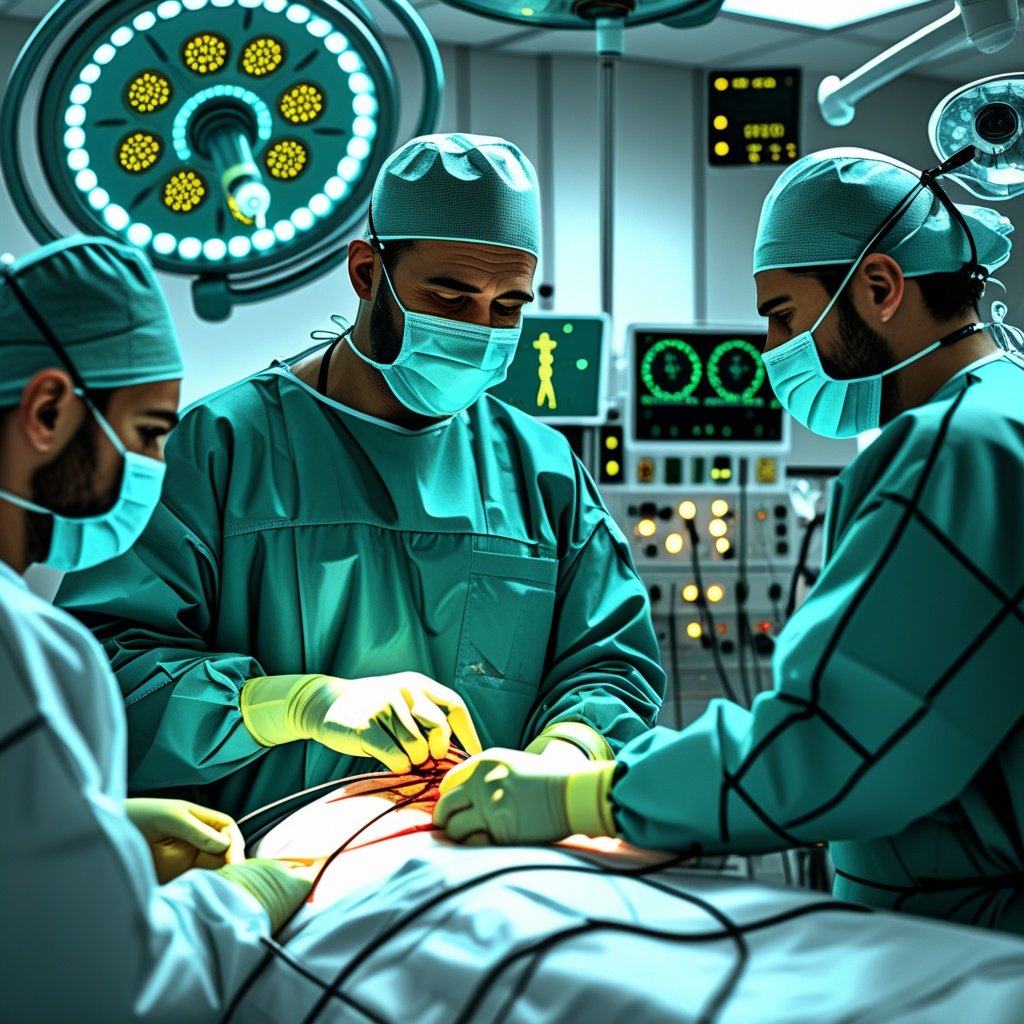
During LCL reconstruction, the torn ligament is reconstructed using a tendon graft, which is secured with specialized fixation techniques to restore lateral knee stability and normal joint function.
How long does LCL reconstruction surgery take?
The procedure typically takes 1.5 to 2 hours, depending on the severity of the injury and whether additional ligament or posterolateral corner (PLC) reconstruction is required.
How long does recovery take after LCL reconstruction?
Recovery varies depending on the extent of the injury and whether other structures of the knee have also been treated. Most patients require several months of rehabilitation before returning to higher-level activities.
Will I need physiotherapy after surgery?
Yes. Physiotherapy is a key part of recovery. A structured rehabilitation program helps restore range of motion, strengthen the muscles around the knee, improve balance, and support a safe return to everyday activities and sports.
Can I return to sports after LCL reconstruction?
Many patients are able to return to sports after completing rehabilitation. The timing depends on your healing, knee stability, muscle strength, and Dr. Muhieddine Hamie’s assessment throughout your recovery.
How do I know if LCL reconstruction is right for me?
If you experience persistent pain on the outer side of the knee, instability, repeated giving way, or ongoing symptoms after an LCL injury despite appropriate rehabilitation, a consultation with Dr. Hamie can help determine the most appropriate treatment. Following a comprehensive evaluation, he will recommend a personalized treatment plan based on your injury, activity level, and long-term recovery goals.