Early Arthritis Management in Dubai
Preserve Your Joint. Relieve Pain. Stay Active.
UNDERSTANDING THE PROCEDURE
What is Early Arthritis?
Early arthritis is the initial stage of joint degeneration, where the protective cartilage covering the ends of the bones begins to wear down. As cartilage gradually deteriorates, the joints may become painful, stiff, swollen, and less flexible. When diagnosed early, arthritis can often be managed effectively, helping to slow disease progression and preserve joint function.
Arthritis can affect the knees, hips, shoulders, ankles, hands, elbows, and other joints, making everyday activities such as walking, climbing stairs, lifting objects, or exercising increasingly uncomfortable. While the condition cannot always be reversed, early intervention can significantly reduce symptoms and help maintain an active, independent lifestyle.
Early Arthritis
The earliest stage of joint degeneration, where cartilage damage is still limited. Early diagnosis and timely treatment can help relieve symptoms, slow progression, and preserve healthy joint function.
Joint Preservation
A comprehensive treatment approach focused on reducing pain, improving mobility, protecting cartilage, and maintaining healthy joint function through personalized non-surgical care and lifestyle modifications.
CONDITION COMPARISON
Early Arthritis vs. Advanced Arthritis
Arthritis is a progressive condition that develops over time. Recognizing the difference between early and advanced arthritis is essential, as early intervention can help relieve symptoms, preserve joint function, and delay the need for surgery. Dr. Muhieddine Hamie creates personalized treatment plans based on the stage of arthritis and your individual lifestyle and mobility goals.
Early Arthritis
In the early stages, joint cartilage begins to wear gradually, but much of the joint remains healthy. Symptoms are often mild and can usually be managed successfully with conservative treatment and lifestyle modifications.
Best For
- Mild joint pain
- Early cartilage wear
- Active individuals
- Joint preservation
Features
- Mild pain during activity
- Occasional stiffness
- Minimal swelling
- Good joint mobility
Recovery
Lifestyle modifications, physiotherapy, medications, weight management, and personalized joint-preserving treatments help relieve symptoms and slow disease progression.
Advanced Arthritis
As arthritis progresses, cartilage loss becomes more significant, leading to pain, stiffness, reduced mobility, and difficulty performing everyday activities. At this stage, advanced treatment, including surgery, may be considered.
Best For
- Persistent joint pain
- Advanced cartilage loss
- Significant stiffness
- Reduced mobility
Features
- Pain even at rest
- Frequent swelling
- Limited joint movement
- Difficulty with daily activities
Recovery
Depending on the severity of joint damage, treatment may include advanced pain management, injection therapies, joint-preserving procedures, or joint replacement surgery when appropriate.
Is Early Arthritis Management Right for You?
Persistent joint pain should never be ignored. Early diagnosis and personalized treatment can help relieve symptoms, preserve joint health, and delay the progression of arthritis. Dr. Muhieddine Hamie provides comprehensive evaluations to develop the most appropriate treatment plan for every patient.
RECOGNIZE THE WARNING SIGNS
Signs You May Benefit from Early Arthritis Management
Arthritis often develops gradually, and its early symptoms may be mistaken for normal aging or temporary joint discomfort. Recognizing these warning signs early allows treatment to begin before significant joint damage occurs, helping preserve mobility and maintain an active lifestyle.
Persistent Joint Pain
Pain in the knees, hips, shoulders, hands, ankles, or other joints that continues during or after daily activities.
Morning Stiffness
Stiffness after waking up or following periods of rest that gradually improves with gentle movement.
Swelling Around the Joint
Occasional or recurring swelling, warmth, or tenderness around one or more joints without a major injury.
Reduced Range of Motion
Difficulty bending, straightening, reaching, or moving a joint through its normal range of motion.
Discomfort During Everyday Activities
Pain while walking, climbing stairs, lifting objects, exercising, or performing routine daily tasks.
Joint Symptoms That Continue to Progress
Pain, stiffness, or reduced mobility that gradually becomes more frequent or severe despite rest or home remedies.
CAUSES, RISK FACTORS & DIAGNOSIS
Understanding the Causes of Early Arthritis
Common Causes & Risk Factors
Age-Related Joint Wear
As we age, the cartilage that cushions our joints naturally becomes thinner, making joints more susceptible to stiffness, pain, and early degeneration.
Previous Joint Injuries
Past fractures, ligament injuries, meniscus tears, dislocations, or repetitive joint trauma can increase the risk of developing arthritis earlier in life.
Excess Body Weight
Being overweight places additional stress on weight-bearing joints such as the knees, hips, ankles, and spine, accelerating cartilage wear.
Repetitive Joint Stress
Occupations, sports, or activities involving repetitive lifting, kneeling, squatting, or high-impact movements can contribute to early joint degeneration.
Family History & Medical Conditions
A family history of arthritis, inflammatory joint diseases, metabolic disorders, or congenital joint abnormalities may increase the likelihood of developing arthritis.
Muscle Weakness & Poor Joint Mechanics
Weak supporting muscles, poor posture, abnormal joint alignment, or altered walking patterns can place uneven pressure on the joints and accelerate cartilage wear.
How is Early Arthritis Evaluated?
1
Medical History
Understanding your symptoms, lifestyle, previous injuries, family history, and how joint pain affects your daily activities.
2
Physical Examination
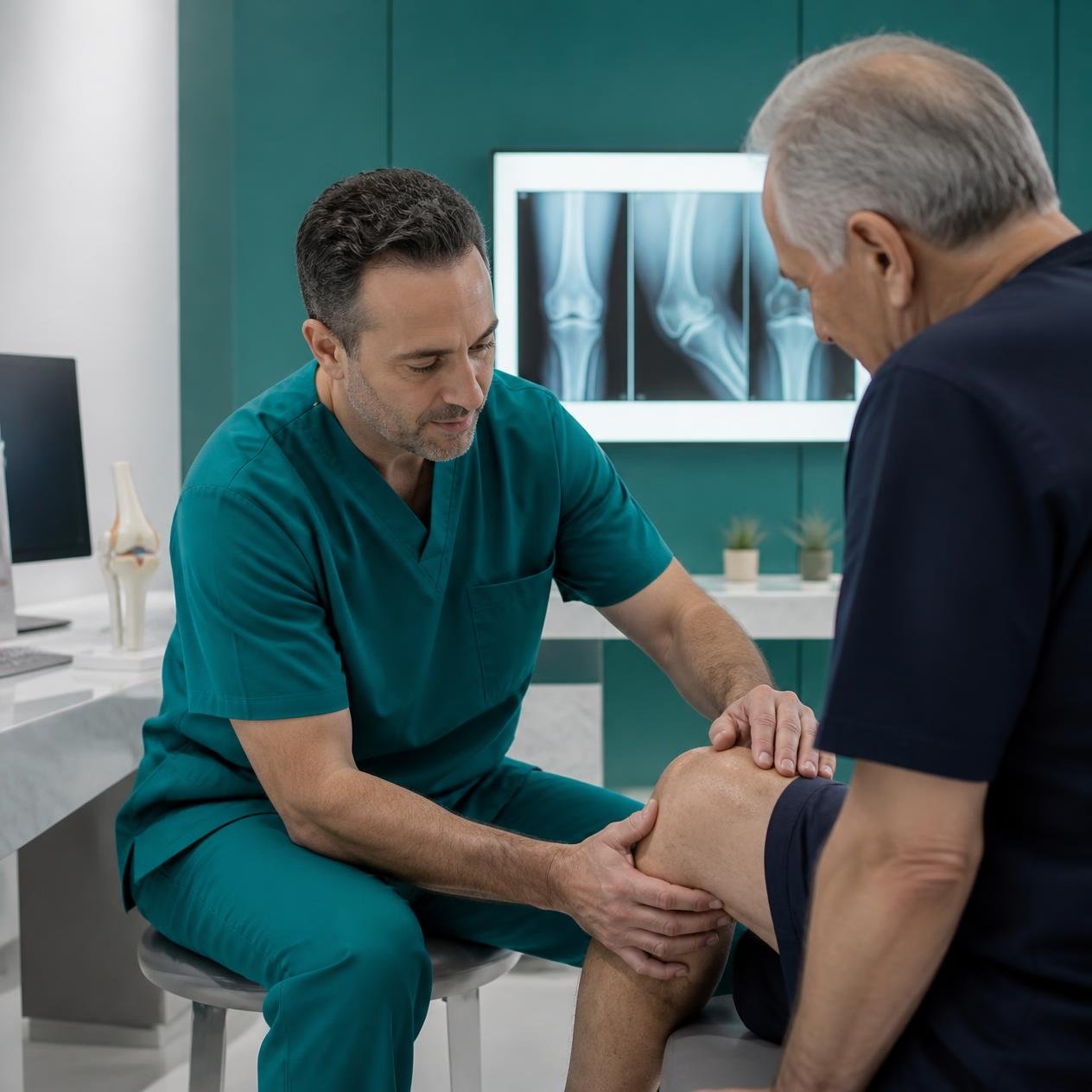
Assessment of joint movement, swelling, tenderness, stability, muscle strength, and overall function to identify early signs of arthritis.
3
Digital X-rays
Weight-bearing X-rays help evaluate joint space, early cartilage loss, bone alignment, and other structural changes associated with arthritis.
4
MRI or CT Scan (When Required)
MRI or other imaging studies may be recommended to assess cartilage, ligaments, tendons, and other soft tissues when additional information is needed.
5
Personalized Treatment Planning
Based on the clinical findings and imaging results, Dr. Hamie develops a customized treatment plan focused on relieving symptoms, preserving joint health, improving mobility, and slowing the progression of arthritis.
TREATMENT & RECOVERY JOURNEY
A Personalized Approach to Long-Term Joint Health
1
Consultation
Your journey begins with a detailed consultation, physical examination, and imaging studies to understand the stage of arthritis, identify affected joints, and determine the underlying causes of your symptoms.
2
Personalized Plan
Based on your condition, lifestyle, and mobility goals, a customized management plan is developed, combining the most appropriate non-surgical treatments to preserve joint health.
3
Treatment
Your treatment may include physiotherapy, lifestyle modifications, medications, weight management, activity adjustments, or other evidence-based therapies aimed at reducing pain and slowing arthritis progression.
4
Rehabilitation
Ongoing rehabilitation focuses on improving joint flexibility, strengthening supporting muscles, enhancing mobility, and adopting healthy lifestyle habits that protect your joints over time.
5
Recovery
Regular follow-up appointments allow your progress to be monitored, treatments to be adjusted when needed, and your joints to remain as healthy and functional as possible for years to come.
Your treatment begins with a comprehensive consultation and ends with a structured recovery program designed to help you return to an active life.
BENEFITS OF TREATMENT
Benefits of Early Arthritis Management
Early arthritis management focuses on protecting your joints before significant damage occurs. With timely diagnosis and a personalized treatment plan, many patients can reduce pain, maintain mobility, slow disease progression, and continue enjoying an active lifestyle without the need for surgery.
Relieves Pain & Improves Comfort
Early treatment helps reduce joint pain, stiffness, and inflammation, making everyday activities more comfortable and improving overall quality of life.
Preserves Joint Function & Mobility
Personalized treatment supports healthy joint movement, improves flexibility, and helps maintain strength, allowing you to stay active and independent.
Slows the Progression of Arthritis
Addressing arthritis in its early stages can help protect cartilage, reduce further joint damage, and delay the progression to advanced arthritis.
Delays Joint Replacement Surgery
By combining lifestyle modifications, physiotherapy, medications, and other joint-preserving treatments, many patients can postpone or even avoid the need for joint replacement surgery.
WHY CHOOSE DR. MUHIEDDINE HAMIE
Expertise You Can Trust. Care You Can Rely On.
Choosing the right orthopedic surgeon is an important step toward a successful recovery. Dr. Muhieddine Hamie combines advanced orthopedic expertise, personalized treatment planning, and a patient-first approach to deliver exceptional care for every individual. From your first consultation through surgery and rehabilitation, every stage of your journey is guided with precision, compassion, and a commitment to achieving the best possible outcome.
- Personalized Treatment Plans
- Advanced Knee Replacement Expertise
- Patient-Centered Care
- Comprehensive Rehabilitation Support
Committed to helping patients move with confidence, recover with comfort, and return to the activities they enjoy most.

Frequently Asked Questions
Find answers to common questions about the treatment by Dr. Muhieddine Hamie in Dubai.
What is early arthritis?
Early arthritis is the initial stage of joint degeneration, where cartilage begins to wear down but much of the joint remains healthy. Early Arthritis Management can help relieve symptoms and slow the progression of the condition.
Which joints can be affected by early arthritis?
Early arthritis can affect the knees, hips, shoulders, ankles, hands, elbows, wrists, and other joints, depending on the underlying cause and individual risk factors.
What are the early signs of arthritis?
Common symptoms include joint pain, stiffness, swelling, tenderness, reduced flexibility, and discomfort during everyday activities. Symptoms are often mild initially but may gradually worsen over time.
Can early arthritis be treated without surgery?
Yes. In many cases, early arthritis can be effectively managed with physiotherapy, exercise, weight management, medications, activity modification, and other joint-preserving treatments, without the need for surgery.
How is early arthritis diagnosed?
Diagnosis involves a detailed medical history, physical examination, and imaging studies such as X-rays or MRI scans to evaluate joint health and identify early signs of cartilage degeneration.
Can early arthritis be prevented from getting worse?
While arthritis cannot always be prevented, early diagnosis, maintaining a healthy weight, staying physically active, strengthening the muscles around the joints, and following a personalized treatment plan can help slow its progression.
Is exercise safe if I have early arthritis?
Yes. Low-impact activities such as walking, swimming, cycling, and guided strengthening exercises can improve joint mobility, reduce stiffness, and support long-term joint health. Your Early Arthritis Management plan will be tailored to your condition.
When should I see an orthopedic specialist?
You should seek evaluation if joint pain, stiffness, swelling, or reduced mobility persists for several weeks, interferes with daily activities, or continues despite rest and home treatment for Early Arthritis Management.
Will I eventually need joint replacement surgery?
Not necessarily. Many patients successfully manage early arthritis for years with appropriate non-surgical treatment. Surgery is only considered when symptoms become severe and conservative treatments no longer provide adequate relief.
How do I know if early arthritis management is right for me?
If you’re experiencing persistent joint pain, stiffness, swelling, or reduced mobility, an evaluation with Dr. Hamie can help identify the cause and determine the most appropriate treatment. A personalized management plan can help relieve symptoms, preserve joint health, and support an active lifestyle while delaying or avoiding surgery whenever possible.