Quadriceps Tendon Repair in Dubai
Restore Knee Strength. Regain Confident Movement.
UNDERSTANDING THE PROCEDURE
What is Quadriceps Tendon Repair?
The quadriceps tendon connects the powerful muscles at the front of your thigh to the kneecap, allowing you to straighten your knee and perform essential movements such as walking, climbing stairs, and standing from a seated position. When this tendon becomes inflamed, partially torn, or completely ruptured, it can significantly affect knee strength and mobility.
Quadriceps tendon repair is a specialized treatment designed to restore tendon function, relieve pain, and help patients safely return to everyday activities and sports. Depending on the severity of the injury, treatment may involve conservative management or surgical Quadriceps Tendon repair.
Quadriceps Tendonitis
Inflammation caused by overuse or repetitive strain. Most cases improve with rest, physiotherapy, and activity modification.
Quadriceps Tendon Rupture
A partial or complete tear of the tendon that may require surgical repair to restore knee extension and strength.
CONDITION COMPARISON
Quadriceps Tendonitis vs. Quadriceps Tendon Rupture
Not every quadriceps tendon injury requires surgery. The appropriate treatment depends on the severity of the tendon damage, your symptoms, activity level, and overall knee function. Dr. Muhieddine Hamie performs a comprehensive assessment to determine whether conservative treatment or surgical repair is the most suitable option.
Quadriceps Tendonitis
Quadriceps tendonitis is an overuse injury caused by repetitive stress on the tendon. It commonly affects athletes and physically active individuals, leading to pain and inflammation without a complete tendon tear.
Best For
- Early tendon inflammation
- Overuse or repetitive strain
- Sports-related injuries
- Mild tendon degeneration
Features
- Pain above the kneecap
- Tenderness during activity
- Mild swelling
- Pain while running or jumping
Recovery
Most patients improve with conservative treatment, including physiotherapy, activity modification, anti-inflammatory medication, and a gradual return to normal activities.
Quadriceps Tendon Rupture
A quadriceps tendon rupture occurs when the tendon is partially or completely torn, often following a sudden injury or fall. Complete ruptures usually require surgical repair to restore knee extension and normal function.
Best For
- Partial tendon tears
- Complete tendon ruptures
- Traumatic sports injuries
- Sudden falls or direct trauma
Features
- Sudden sharp pain
- Difficulty to straighten the knee
- Swelling and bruising
- Weakness while walking
Recovery
Complete tendon ruptures generally require surgical repair followed by a structured rehabilitation program to restore strength, mobility, and knee function.
Which Treatment is Right for You?
Every quadriceps tendon injury is unique. The most appropriate treatment depends on the extent of the tendon damage, your activity level, and your recovery goals. Dr. Muhieddine Hamie provides a detailed clinical evaluation to recommend the most effective treatment plan for each patient with quadriceps tendon repair.
RECOGNIZE THE WARNING SIGNS
Signs You May Need Quadriceps Tendon Repair
Quadriceps tendon injuries can gradually worsen if left untreated. While mild inflammation may improve with conservative care, persistent pain, weakness, or difficulty straightening the knee may indicate a more serious tendon injury that requires specialist evaluation. Early diagnosis can help prevent further damage and improve recovery outcomes.
Persistent Pain Above the Kneecap
Ongoing pain just above the kneecap during walking, climbing stairs, running, or other daily activities that does not improve with rest.
Difficulty Straightening the Knee
Weakness or inability to fully extend the knee, making it difficult to stand up, walk normally, or perform everyday movements.
Swelling & Tenderness
Noticeable swelling, tenderness, or inflammation around the quadriceps tendon, especially after physical activity or injury.
Sudden Popping Sensation
A sudden "pop" at the front of the knee during sports, jumping, or a fall may indicate a partial or complete tendon rupture.
Weakness While Walking
Reduced strength in the affected leg, making walking, climbing stairs, or getting up from a chair difficult.
Difficulty Returning to Sports
Persistent pain or weakness that limits running, jumping, squatting, or participation in sports and physical activities despite rest or physiotherapy.
CAUSES, RISK FACTORS & DIAGNOSIS
Understanding the Causes of Quadriceps Tendon Injuries
Common Causes & Risk Factors
Sports Injuries
High-impact sports involving jumping, sprinting, or sudden changes in direction can place excessive stress on the quadriceps tendon, increasing the risk of tears.
Sudden Trauma
A fall, awkward landing, or direct impact to the knee may cause a partial or complete rupture of the quadriceps tendon.
Tendon Degeneration
Age-related wear and gradual weakening of the tendon can make it more susceptible to injury, particularly in active adults.
Chronic Medical Conditions
Conditions such as diabetes, rheumatoid arthritis, chronic kidney disease, and obesity may weaken tendon tissue and increase the likelihood of tendon injuries.
Previous Knee Injuries
A history of knee surgery, tendon injuries, or ligament damage may increase the risk of future quadriceps tendon problems.
Overuse & Repetitive Strain
Repeated stress from running, jumping, heavy lifting, or physically demanding occupations can lead to chronic tendon irritation and inflammation.
How is a Quadriceps Tendon Injury Evaluated?
1
Medical History
Understanding your symptoms, how the injury occurred, activity level, previous knee injuries, and overall medical history.
2
Physical Examination
Assessing pain, swelling, tenderness, knee extension strength, range of motion, and tendon integrity.
3
Digital X-rays
Used to rule out fractures, assess the kneecap position, and identify associated bone injuries.
4
MRI (When Required)
Provides detailed imaging of the quadriceps tendon to determine whether the injury is a partial tear, complete rupture, or tendon degeneration.
5
Personalized Treatment Planning
Based on the clinical examination and imaging findings, Dr. Hamie recommends the most appropriate treatment, whether conservative management or surgical tendon repair.
TREATMENT OPTIONS
Personalized Care for Every Quadriceps Tendon Injury

Non-Surgical Treatment
Mild tendon injuries, tendonitis, and selected partial tears can often be treated successfully without surgery. The primary goal is to reduce pain, promote tendon healing, restore strength, and gradually return patients to their normal daily activities and sports.
Available Treatments
Rest & Activity Modification
Reducing activities that place excessive stress on the quadriceps tendon allows inflammation to settle and supports the natural healing process.
Physiotherapy
A structured rehabilitation program helps improve flexibility, strengthen the quadriceps muscles, and restore normal knee function.
Anti-Inflammatory Medication
Medication may be recommended to relieve pain and reduce inflammation during the early stages of recovery.
Progressive Rehabilitation
A carefully supervised return-to-activity program helps restore strength, balance, and confidence while reducing the risk of re-injury.
- Best suited for patients with tendonitis, overuse injuries, and selected partial quadriceps tendon tears.
Surgical Treatment
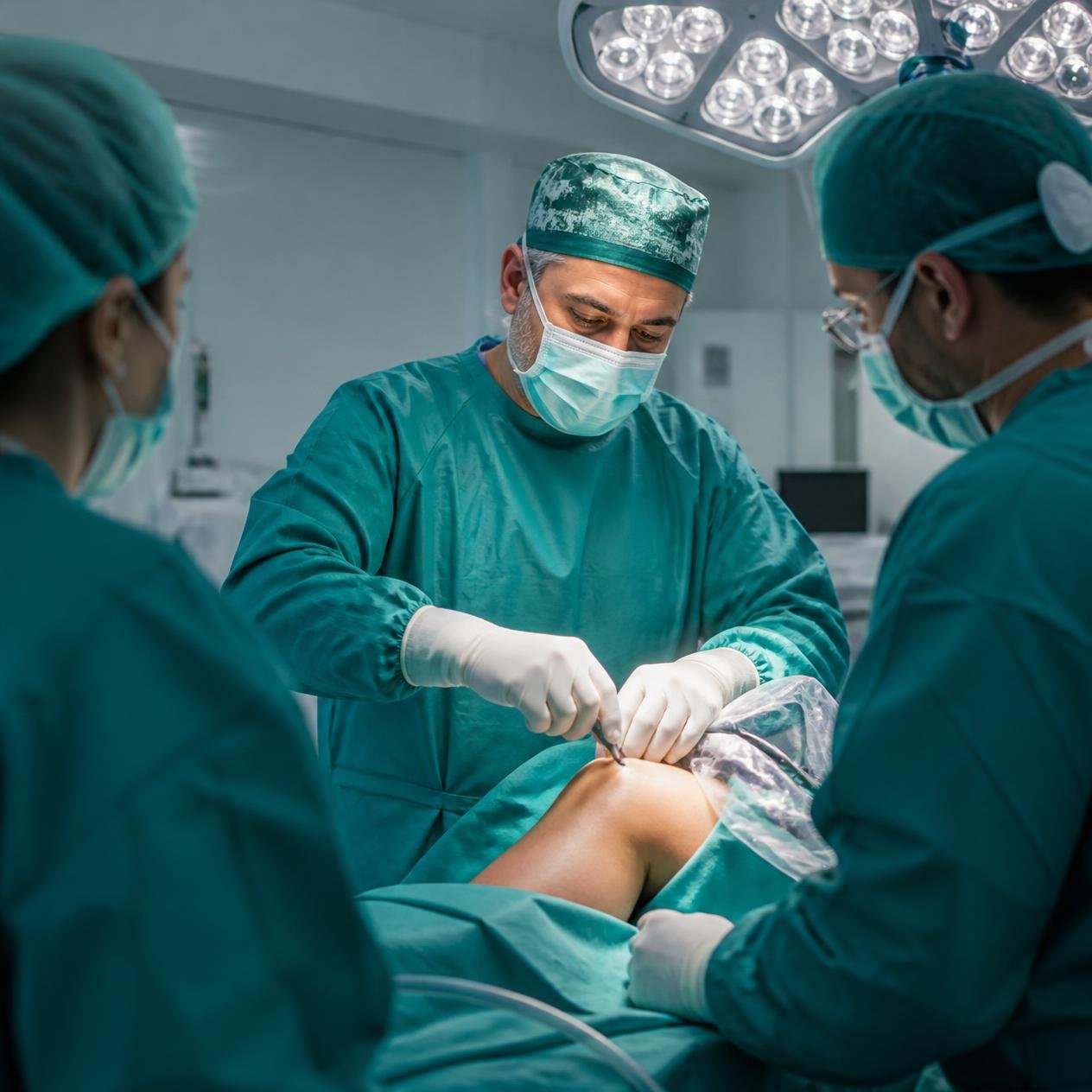
Surgical repair is typically recommended for complete quadriceps tendon ruptures or significant tears that prevent normal knee function. The procedure focuses on restoring tendon continuity, rebuilding strength, and allowing patients to safely return to everyday activities and sports through structured rehabilitation.
Available Treatments
Primary Tendon Repair
The torn quadriceps tendon is carefully reattached to the kneecap using advanced surgical techniques to restore normal knee extension.
Suture Anchor Repair
Specialized suture anchors are used to securely reattach the tendon to the patella, providing strong fixation for optimal healing.
Tendon Reconstruction
For chronic injuries or severely damaged tendons, reconstruction techniques may be considered to restore tendon function and knee stability.
Post-Surgical Rehabilitation
A personalized rehabilitation program is essential following surgery to regain strength, improve mobility, and achieve the best possible long-term outcome.
- Recommended for complete tendon ruptures and patients with significant functional loss
WHAT TO EXPECT
From Injury to Recovery
1
Consultation
A detailed assessment of your symptoms, medical history, physical examination, and imaging studies to accurately diagnose the tendon injury and determine the most appropriate treatment approach.
2
Personalized Plan
Based on the severity of the injury, Dr. Muhieddine Hamie recommends either conservative treatment or surgical repair, tailored to your lifestyle, activity level, and recovery goals.
3
Treatment
Your treatment may involve structured physiotherapy for tendon healing or advanced surgical repair for complete tendon ruptures, aiming to restore normal knee function and tendon strength.
4
Rehabilitation
A progressive rehabilitation program focuses on restoring flexibility, rebuilding quadriceps strength, improving knee stability, and gradually returning to normal movement.
5
Recovery
With successful recovery and continued follow-up, most patients can safely resume everyday activities, work, and sports while minimizing the risk of future tendon injuries.
Your treatment begins with a comprehensive consultation and ends with a structured recovery program designed to help you return to an active life.
BENEFITS OF KNEE REPLACEMENT
Benefits of Quadriceps Tendon Repair
Timely diagnosis and appropriate treatment can help restore normal knee function, relieve pain, and prevent long-term complications. Whether treated conservatively or surgically, the goal is to help you regain confidence in your movement and safely return to your daily routine and sporting activities.
Restored Knee Strength
Repairing the quadriceps tendon helps restore the strength needed to straighten the knee, stand, walk, climb stairs, and perform everyday activities with greater confidence.
Improved Mobility & Function
Successful treatment improves knee movement, stability, and flexibility, allowing patients to regain normal function and return to an active lifestyle.
Pain Relief & Tendon Healing
Appropriate treatment reduces pain, supports natural tendon healing, and helps prevent further injury or chronic tendon problems.
Safe Return to Sports & Daily Activities
With structured rehabilitation and follow-up care, many patients can gradually return to work, recreational activities, and sports while reducing the risk of re-injury.
WHY CHOOSE DR. MUHIEDDINE HAMIE
Expertise You Can Trust. Care You Can Rely On.
Choosing the right orthopedic surgeon is an important step toward a successful recovery. Dr. Muhieddine Hamie combines advanced orthopedic expertise, personalized treatment planning, and a patient-first approach to deliver exceptional care for every individual. From your first consultation through surgery and rehabilitation, every stage of your journey is guided with precision, compassion, and a commitment to achieving the best possible outcome.
- Personalized Treatment Plans
- Advanced Knee Replacement Expertise
- Patient-Centered Care
- Comprehensive Rehabilitation Support
Committed to helping patients move with confidence, recover with comfort, and return to the activities they enjoy most.

Frequently Asked Questions
Find answers to common questions about Knee Replacement Surgery (Total & Partial) by Dr. Muhieddine Hamie in Dubai.
What is a quadriceps tendon rupture?
A quadriceps tendon rupture is a partial or complete tear of the tendon that connects the quadriceps muscles to the kneecap. This injury can make it difficult or impossible to straighten the knee and often requires prompt medical evaluation.
What causes a quadriceps tendon injury?
Quadriceps tendon injuries may result from sudden trauma, sports-related accidents, falls, repetitive overuse, or age-related tendon degeneration. Certain medical conditions can also increase the risk of tendon tears.
Do all quadriceps tendon tears require surgery?
No. Mild tendonitis and some partial tears may respond well to rest, physiotherapy, and rehabilitation. However, complete tendon ruptures and severe tears usually require surgical repair to restore normal knee function.
How is a quadriceps tendon injury diagnosed?
Diagnosis typically includes a detailed medical history, physical examination, and imaging studies such as X-rays or MRI scans to determine the extent of the tendon injury and guide treatment planning.
How soon should treatment begin after a tendon rupture?
Early diagnosis and treatment are important. Delaying treatment, especially for complete tendon ruptures, may make surgical repair more challenging and can affect recovery outcomes.
How long does quadriceps tendon repair surgery take?
The procedure generally takes 60 to 90 minutes, depending on the severity of the tendon injury and the surgical technique being used.
How long does recovery take after quadriceps tendon repair?
Recovery varies from patient to patient. Most individuals require several months of rehabilitation, with gradual improvement in strength, mobility, and knee function through a structured physiotherapy program.
Will I need physiotherapy after treatment?
Yes. Physiotherapy plays a vital role in recovery, helping restore knee movement, rebuild muscle strength, improve flexibility, and support a safe return to everyday activities and sports.
When can I return to sports or physical activities?
The timeline depends on the severity of the injury, the type of treatment, and your rehabilitation progress. Dr. Muhieddine Hamie will advise you when it is safe to gradually resume sports and high-impact activities.
How do I book a consultation with Dr. Muhieddine Hamie?
You can schedule a consultation by contacting the clinic directly or using the Book Appointment option on the website. During your visit, Dr. Muhieddine Hamie will assess your condition, explain your treatment options, and recommend a personalized recovery plan.