Knee surgery

Knee Osteotomy in Dubai

  • 5.0 on Google, 19 reviews
  • FACS, MRCS (England)
  • Clemenceau Medical Center, Dubai
Knee Osteotomy in Dubai with Dr. Hamie
5.019 Google reviews
Dr. Muhieddine Hamie, FACSConsultant Orthopedic Surgeon
Treatment type
Realignment surgery of the shin or thigh bone
Anaesthesia
Spinal or general anaesthesia, often with a nerve block
Hospital stay
Usually 1 to 2 nights
Back to daily activities
Often 6 to 12 weeks
Return to sport or full activity
Often 6 to 12 months

Typical figures. Dr. Hamie confirms what applies to you at your consultation.

Overview

What Is Knee Osteotomy?

Osteotomy means cutting and reshaping a bone. In a bowed leg, more of your weight passes through the inner side of the knee, which can wear that side faster. In a knee osteotomy, Dr. Hamie makes a controlled cut in the shin bone (tibia) or thigh bone (femur) and changes its angle, so weight moves towards the healthier side.

A metal plate and screws hold the bone in its new position while it heals. Unlike a knee replacement, your own joint is kept. The aim is to ease pain and, for many patients, put off the need for a knee replacement, which can help people who want to stay active. A high tibial osteotomy, at the upper shin, is the most common type.

Signs and symptoms

Signs and Symptoms of One-Sided Knee Arthritis

These signs often point to arthritis on one side of the knee that realignment may help.

  • Pain on the inner knee

    Aching sits on the inner side of the knee, often worse after walking or sport.

  • A bowed leg shape

    Your legs curve outward at the knees, or one leg looks more bowed than before.

  • Pain with activity

    Running, hiking or long walks bring on pain that eases with rest.

  • Swelling after exercise

    The knee puffs up after activity and settles over the next day or two.

  • Past meniscus surgery

    Pain has built up on one side since an earlier meniscus (cartilage cushion) tear or removal.

  • Stiffness after rest

    The knee feels stiff when you first get up, then loosens as you move.

Diagnosis

How Dr. Hamie Diagnoses One-Sided Knee Arthritis

A clear diagnosis comes first, so your treatment plan fits your knee and your goals.

  1. History and activity goals

    Dr. Hamie asks about your pain, past injuries or surgery, and the activities you want to keep doing, from work to sport.

  2. Checking your alignment

    He looks at your leg shape as you stand and walk, and checks knee movement, ligament stability and the health of the other side of the joint.

  3. Full-leg X-rays and MRI

    Standing X-rays from hip to ankle measure your leg alignment and show where cartilage is worn. An MRI may check the cartilage and meniscus on the healthier side.

Treatment options

Treatment Options for One-Sided Knee Arthritis

Dr. Hamie matches treatment to your age, alignment, activity level and how much of the knee is worn.

First step

Non-surgical care

Early one-sided arthritis often improves with simpler care, and Dr. Hamie starts here when it is likely to help.

  • Physiotherapy to strengthen the thigh and hip muscles
  • An unloader brace or shoe insoles to shift load
  • Activity changes, weight management and pain relief
When needed

Surgical treatment

When pain continues and the rest of the knee is healthy, realignment or replacement may be considered.

  • High tibial osteotomy (upper shin bone) for a bowed leg
  • Distal femoral osteotomy (lower thigh bone) for a knock-kneed leg
  • Partial knee replacement if osteotomy is less suitable
The procedure

What Happens During Knee Osteotomy

Dr. Hamie explains every step before your treatment, so you know exactly what to expect on the day.

  1. Precise planning

    Using full-leg X-rays, Dr. Hamie works out the exact angle of correction needed to move load onto the healthier side.

  2. Anaesthesia

    You usually have a spinal or general anaesthetic, often with a nerve block to help with pain after surgery.

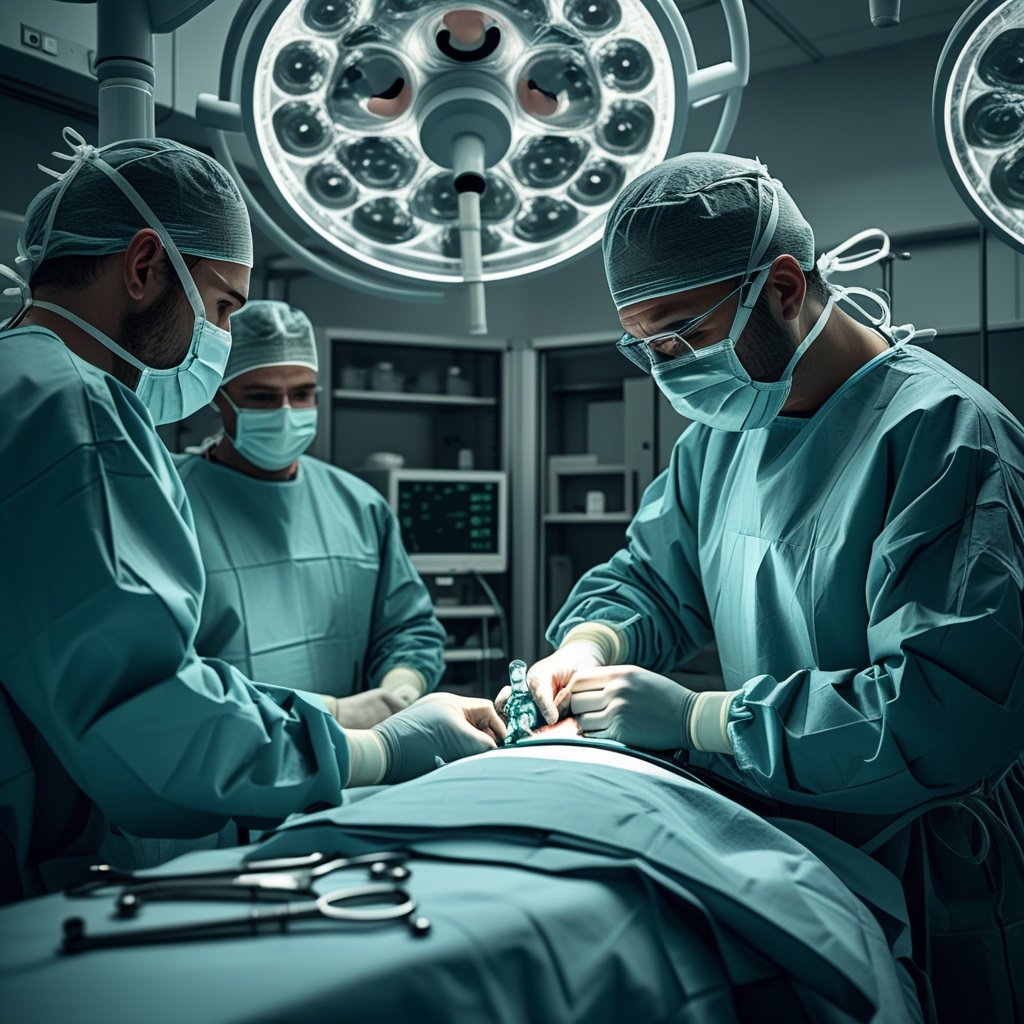
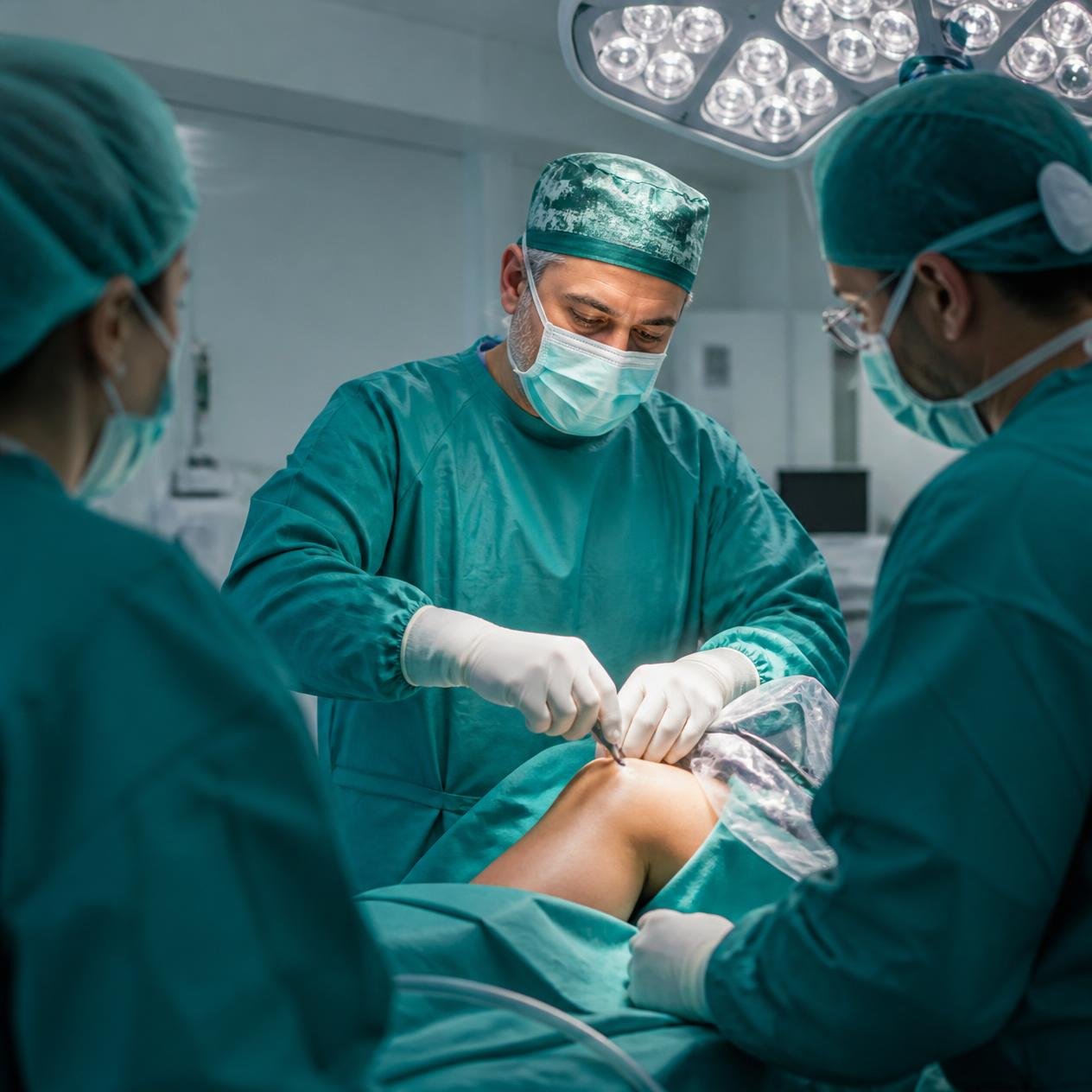
  3. Realigning the bone

    Through a cut in the skin, he divides the bone in a controlled way, opens or closes a small wedge to change its angle and checks alignment with live X-ray.

  4. Fixing with a plate

    A metal plate and screws hold the bone while it heals. A keyhole camera check of the joint (arthroscopy) may be done at the same time.

Recovery

Recovery After Knee Osteotomy

Bone healing takes time and varies between people, so Dr. Hamie confirms your timeline at consultation.

  1. Days 1 to 2

    In hospital

    You start walking with crutches, learn your exercises and go home once your pain is controlled.

  2. Weeks 1 to 6

    Protected weight-bearing

    You usually use crutches and limit weight on the leg while the bone begins to heal. Physiotherapy keeps the knee moving.

  3. Weeks 6 to 12

    Building up

    Once X-rays show healing, you often move to full weight and put the crutches away. Desk work and driving usually return in this period.

  4. Months 3 to 12

    Return to activity

    Strength builds steadily, and many people return to cycling, swimming, hiking and some sports, often from 6 to 12 months. The plate can be removed later if it bothers you.

Dr. Hamie follows up with you at every stage of your recovery.

Why Dr. Hamie

Why Patients Choose Dr. Hamie for Knee Osteotomy

  • Keeping your own knee

    Dr. Hamie looks at ways to preserve your joint, and recommends surgery only when it is likely to help.

  • Every knee option considered

    With the ESSKA European Certification in Knee Arthroplasty, he can weigh osteotomy fairly against partial or total knee replacement.

  • Background in sports medicine

    His FIFA Diploma in Football Medicine and SICOT Travelling Fellowship in ACL Surgery support his care of active patients.

Patient stories

Hear Directly from Those Who Walk Stronger Today

Real stories from patients who have regained their mobility and confidence with Dr. Hamie.

5.0Based on 19 Google reviews
FAQ

Frequently Asked Questions

Clear answers to the questions patients ask Dr. Hamie most often.

Still have a question?Typical reply within 2 hours

Send your question with the booking form, and attach your MRI or X-ray for Dr. Hamie to review.

Who is a good candidate for knee osteotomy?

Osteotomy often suits younger, active adults whose arthritis affects one side of the knee, usually the inner side, with a bowed leg. The knee should bend well and the ligaments should be stable. Dr. Hamie uses full-leg X-rays and sometimes an MRI to check whether your knee fits these criteria.

Is knee osteotomy better than a partial knee replacement?

Neither is right for everyone. Osteotomy keeps your own joint and may suit younger people with high activity demands. Partial knee replacement may suit people with more advanced wear on one side. Dr. Hamie explains the trade-offs for your age, leg shape, activity level and X-rays before you decide.

Will I need a knee replacement later?

Some people do, because osteotomy does not halt arthritis completely. For many patients it may ease pain and put off a replacement for a number of years. If a replacement is needed later, it can usually still be done, and Dr. Hamie plans the osteotomy with this in mind.

How long will I be on crutches?

Many people use crutches for around 6 weeks, sometimes longer, depending on the type of osteotomy and how the bone heals. Dr. Hamie checks healing on X-rays before you put full weight on the leg. Your physiotherapist guides you as you step down from two crutches to one, then none.

Will my leg look different after osteotomy?

Your leg will usually look straighter, because the operation corrects a bowed or knock-kneed shape. The change is often small but noticeable. You will have a scar on the inner or outer side of the knee. Dr. Hamie discusses the planned correction with you before surgery, so you know what to expect.

Appointments

Talk to Dr. Hamie About Knee Osteotomy

Book a consultation at Clemenceau Medical Center, Dubai, or send your knee X-rays on WhatsApp to +971 56 165 7695 to see if realignment may suit you. Appointments are at Clemenceau Medical Center in Dubai Healthcare City, and you can send your MRI or X-ray before your visit.

  • Phone & WhatsApp+971 56 165 7695
  • AddressClemenceau Medical Center, Dubai Healthcare City Phase 2, Al Jadaf, Dubai
  • Clinic hours Mon, Wed9:00 AM to 7:00 PM Tue, Thu8:00 AM to 6:00 PM Sunday8:00 AM to 4:00 PM Fri, SatClosed
  • Emaildoctorhamieh@gmail.com

Send your details

The clinic replies by WhatsApp or phone.

+971
Find the clinic

Clemenceau Medical Center

Dubai Healthcare City Phase 2, Al Jadaf, Dubai

Call the clinic+971 56 165 7695