ACL Reconstruction Surgery in Dubai
Restore Knee Stability. Return to the Activities You Love.
UNDERSTANDING THE PROCEDURE
What is ACL Reconstruction Surgery?
The Anterior Cruciate Ligament (ACL) is one of the four major ligaments of the knee, connecting the femur (thigh bone) to the tibia (shin bone). It plays a crucial role in stabilizing the knee by preventing excessive forward movement of the tibia while providing support during walking, running, jumping, pivoting, and sudden changes in direction.
An ACL injury commonly occurs during sports involving rapid stopping, cutting, twisting, or awkward landings. While some patients with minor injuries and low activity demands may manage well with rehabilitation, complete ACL tears or persistent knee instability often require ACL Reconstruction Surgery in Dubai to restore stability, protect the knee from further damage, and enable a safe return to sports and daily activities.
Partial ACL Tear
A partial ACL tear occurs when the ligament is stretched or partially torn while some fibers remain intact. Depending on knee stability and activity level, many patients can be successfully managed with physiotherapy, bracing, and structured rehabilitation.
Complete ACL Tear
A complete ACL tear involves a full rupture of the ligament, often resulting in significant knee instability and difficulty with pivoting or sports. ACL reconstruction surgery is commonly recommended for active individuals and patients experiencing recurrent instability.
CONDITION COMPARISON
Partial ACL Tear vs. Complete ACL Tear
Not every ACL injury requires immediate surgery. The most appropriate treatment depends on the severity of the tear, knee stability, activity level, and your personal goals. While some partial tears may be managed with rehabilitation, complete tears or persistent instability often require ACL reconstruction to restore knee function and reduce the risk of future injury. Visit for ACL Reconstruction Surgery in Dubai.
First-Time Patellar Dislocation
A partial ACL tear occurs when the ligament is stretched or only partially damaged, with some fibers remaining intact. Depending on knee stability and activity demands, many patients can recover successfully with structured rehabilitation.
Best For
- Partial ACL tears
- Mild knee instability
- Recreationally active individuals
- Who responds well to rehab
Features
- Mild to moderate pain
- Knee remains relatively stable
- Occasional swelling
- Preserved range of motion
Recovery
With appropriate rehabilitation and follow-up care, many patients regain knee strength, stability, and function without requiring surgery.
Complete ACL Tear
A complete ACL tear occurs when the ligament is fully ruptured, resulting in significant knee instability. Reconstruction is commonly recommended for active individuals and patients who wish to return to sports or physically demanding activities.
Best For
- Complete ACL rupture
- Active individuals
- Athletes
- Persistent knee instability
Features
- Knee giving way
- Significant instability
- Difficulty with pivoting
- Higher risk of knee injuries
Recovery
ACL Reconstruction Surgery in Dubai restores knee stability, improves function, protects the meniscus and cartilage, and supports a safe return to sports and everyday activities.
Is ACL Reconstruction Right for You?
Every ACL injury is unique. Dr. Muhieddine Hamie performs a comprehensive clinical evaluation and advanced imaging to determine whether rehabilitation or ACL Reconstruction Surgery in Dubai is the most appropriate treatment for restoring long-term knee stability.
RECOGNIZE THE WARNING SIGNS
Signs You May Need ACL Reconstruction Surgery
An ACL injury can significantly affect knee stability, particularly during activities that involve pivoting, jumping, or sudden changes in direction. If your symptoms persist despite rehabilitation or prevent you from returning to your normal lifestyle, a specialist evaluation may be recommended. Visit for ACL Reconstruction Surgery in Dubai.
Knee Giving Way
A feeling that the knee suddenly buckles or gives way during walking, running, pivoting, or sporting activities.
Persistent Knee Instability
Ongoing instability that makes it difficult to perform everyday activities or participate in physical exercise with confidence.
Pain & Swelling After Injury
Pain, swelling, and discomfort following a twisting injury, awkward landing, or sports-related accident that does not fully resolve.
Difficulty with Pivoting
Pain or instability during twisting, turning, jumping, or rapid direction changes that limits sports and recreational activities.
Reduced Confidence During Activity
A constant fear that the knee may give way during exercise, work, or everyday movements due to poor stability.
Symptoms That Don't Improve with Rehab
Persistent instability, weakness, or repeated episodes of giving way despite physiotherapy and structured rehabilitation may indicate the need for ACL reconstruction.
CAUSES, RISK FACTORS & DIAGNOSIS
Understanding ACL Injuries & When Reconstruction May Be Needed
Common Causes & Risk Factors
Twisting or Pivoting Movements
Sudden twisting of the knee while the foot remains planted can place excessive stress on the ACL, resulting in a partial or complete tear.
Awkward Landing
Landing incorrectly after a jump can generate significant force across the knee, increasing the risk of ACL injury.
Direct Impact or Trauma
A collision during sports, a fall, or a road traffic accident can cause severe ACL injuries, often in combination with damage to other knee ligaments or the meniscus.
Previous Knee Injury
A previous ACL injury or inadequate rehabilitation may increase the risk of re-injury and long-term knee instability.
High-Demand Activities
Athletes and individuals with physically demanding occupations place greater stress on the knee and often benefit from reconstruction to safely return to their previous level of activity.
Sports Injuries
Sports involving pivoting, jumping, sudden stopping, or rapid changes in direction—such as football, basketball, skiing, and tennis—are common causes of ACL injuries.
How is Patellar Instability Evaluated?
1
Medical History
A detailed discussion about how the injury occurred, your symptoms, activity level, previous knee injuries, and your goals for returning to work or sports.
2
Physical Examination
Specialized ligament stability tests are performed to evaluate ACL integrity, knee stability, range of motion, swelling, and associated injuries.
3
Digital X-rays
X-rays help rule out fractures, evaluate bone alignment, and identify associated bony injuries.
4
MRI or CT Scan (When Required)
MRI provides a detailed assessment of the ACL, menisci, cartilage, collateral ligaments, and other soft tissue structures, confirming the severity of the injury.
5
Personalized Treatment Planning
Based on your clinical examination, imaging findings, lifestyle, and activity goals, Dr. Muhieddine Hamie develops an individualized treatment plan and determines whether rehabilitation or ACL reconstruction is the most appropriate option for restoring knee stability.
TREATMENT & RECOVERY JOURNEY
Restoring Stability. Rebuilding Confidence.
1
Consultation
Your journey begins with a detailed consultation, physical examination, and advanced imaging to confirm the ACL injury and evaluate any associated damage to the knee.
2
Personalized Plan
Dr. Muhieddine Hamie develops a customized reconstruction plan based on the severity of your injury, activity level, lifestyle, and long-term recovery goals.
3
Treatment
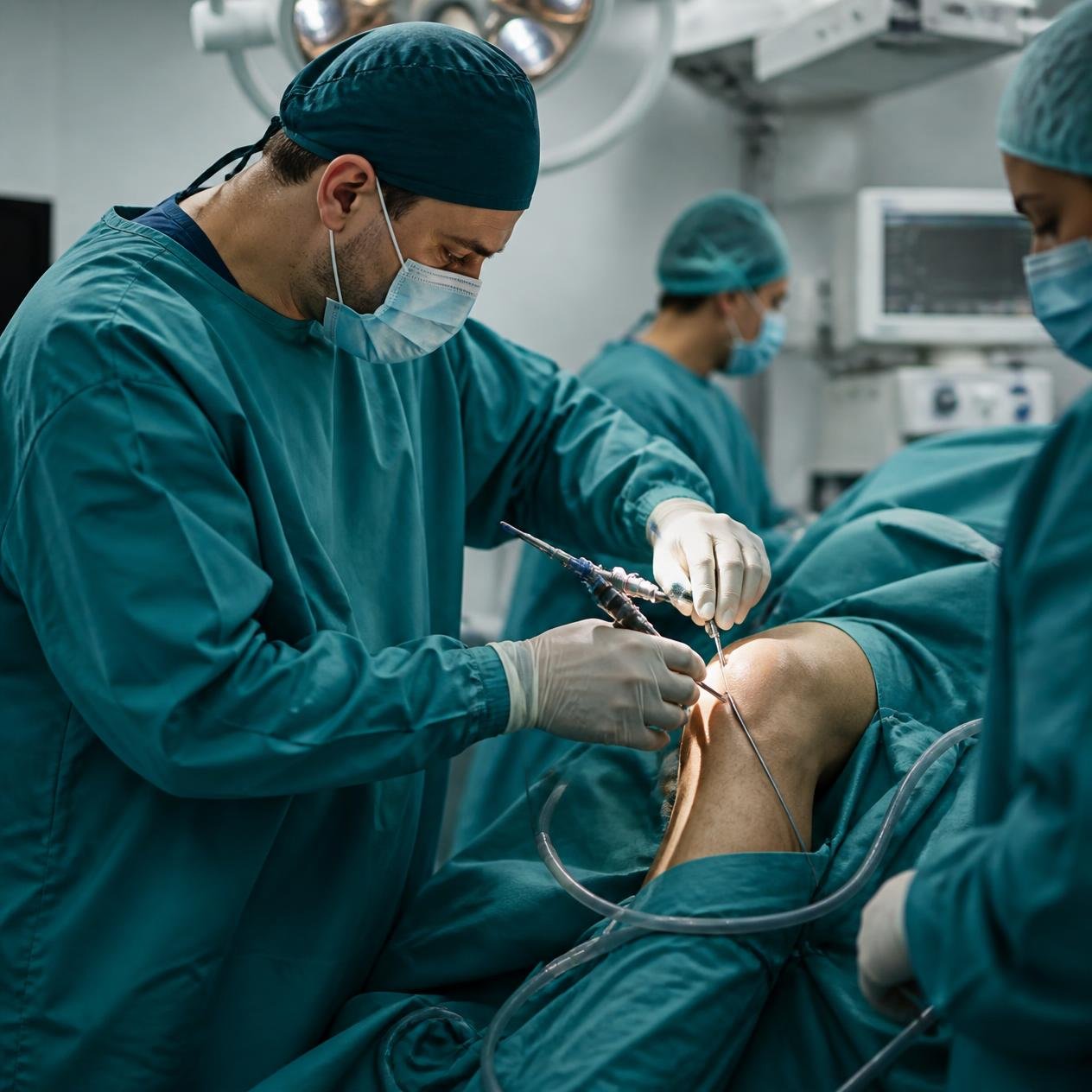
The torn ACL is reconstructed using advanced surgical techniques to restore knee stability, improve joint function, and reduce the risk of future instability or additional knee injuries.
4
Rehabilitation
A structured rehabilitation program focuses on restoring range of motion, rebuilding muscle strength, improving balance, and progressively preparing the knee for higher levels of activity.
5
Recovery
With dedicated rehabilitation and regular follow-up, most patients gradually return to work, recreational activities, and sports with improved knee stability, strength, and confidence.
Your treatment begins with a comprehensive consultation and ends with a structured recovery program designed to help you return to an active life.
BENEFITS OF TREATMENT
Benefits of ACL Reconstruction Surgery
ACL Reconstruction Surgery in Dubai is designed to restore knee stability, improve function, and help patients safely return to their everyday activities and sports. By rebuilding the torn ligament and following a structured rehabilitation program, patients can regain confidence in movement while reducing the risk of future knee damage.
Restores Knee Stability
Reconstructing the torn ACL helps restore the natural stability of the knee, reducing episodes of giving way during walking, running, pivoting, and sports activities.
Improves Strength & Knee Function
A stable ACL allows the knee to move more naturally, helping restore muscle strength, improve balance, and enhance overall joint function.
Protects the Knee from Future Damage
Restoring ligament stability helps reduce excessive stress on the menisci, cartilage, and surrounding structures, lowering the risk of secondary injuries and early joint degeneration.
Return to Sports & Active Living
With successful reconstruction and a structured rehabilitation program, many patients can safely return to sports, recreational activities, and physically demanding work with improved confidence and knee performance.
WHY CHOOSE DR. MUHIEDDINE HAMIE
Expertise You Can Trust. Care You Can Rely On.
Choosing the right orthopedic surgeon is an important step toward a successful recovery. Dr. Muhieddine Hamie combines advanced orthopedic expertise, personalized treatment planning, and a patient-first approach to deliver exceptional care for every individual. From your first consultation through surgery and rehabilitation, every stage of your journey is guided with precision, compassion, and a commitment to achieving the best possible outcome.
- Personalized Treatment Plans
- Advanced Knee Replacement Expertise
- Patient-Centered Care
- Comprehensive Rehabilitation Support
Committed to helping patients move with confidence, recover with comfort, and return to the activities they enjoy most.
Frequently Asked Questions
Find answers to common questions about the treatment by Dr. Muhieddine Hamie in Dubai.
What is the Anterior Cruciate Ligament (ACL)?
The Anterior Cruciate Ligament (ACL) is one of the major stabilizing ligaments of the knee. It connects the femur (thigh bone) to the tibia (shin bone) and helps control forward movement and rotational stability during walking, running, jumping, and sports.
What causes an ACL injury?
ACL injuries commonly occur during sports that involve sudden stopping, pivoting, twisting, jumping, awkward landings, or direct contact to the knee. They may also result from falls or road traffic accidents.
Do all ACL tears require surgery?
No. Some partial ACL tears and patients with low activity demands may be successfully managed with physiotherapy and rehabilitation. Surgery is generally recommended for complete tears, persistent instability, active individuals, or patients wishing to return to pivoting sports.
How is an ACL injury diagnosed?
Diagnosis includes a detailed medical history, physical examination, specialized ligament stability tests, X-rays, and MRI scans to confirm the injury and evaluate associated damage to the meniscus, cartilage, or other ligaments.
What happens during ACL reconstruction surgery?
During ACL reconstruction, the torn ligament is replaced with a tendon graft, which is positioned and secured within the knee using specialized fixation techniques to restore stability and normal knee function.
How long does ACL reconstruction surgery take?
The procedure generally takes 1.5 to 2 hours, depending on the complexity of the injury and whether additional procedures, such as meniscus repair, are performed at the same time.
How long does recovery take after ACL reconstruction?
Recovery varies depending on the individual and rehabilitation progress. Most patients require several months of physiotherapy before returning to higher-level activities, while return to competitive sports is guided by strength, stability, and functional recovery.
Will I need physiotherapy after surgery?
Yes. Physiotherapy is a vital part of recovery. A structured rehabilitation program helps restore range of motion, strengthen the muscles around the knee, improve balance, and safely prepare you for returning to everyday activities and sports.
Can I return to sports after ACL reconstruction?
Yes. Many patients successfully return to sports following ACL reconstruction. The timing depends on your healing, rehabilitation progress, muscle strength, knee stability, and Dr. Muhieddine Hamie’s assessment during follow-up appointments.
How do I know if ACL reconstruction is right for me?
If you experience persistent knee instability, repeated episodes of giving way, or difficulty returning to work or sports after an ACL injury, a consultation with Dr. Muhieddine Hamie can help determine the most appropriate treatment. Following a comprehensive evaluation, he will recommend a personalized treatment plan based on your injury, activity level, and long-term recovery goals.