Pain Management After Knee Surgery in Dubai
Recover Comfortably. Regain Confidence. Move with Ease.
UNDERSTANDING POST-SURGICAL PAIN
What is Pain Management After Knee Surgery?
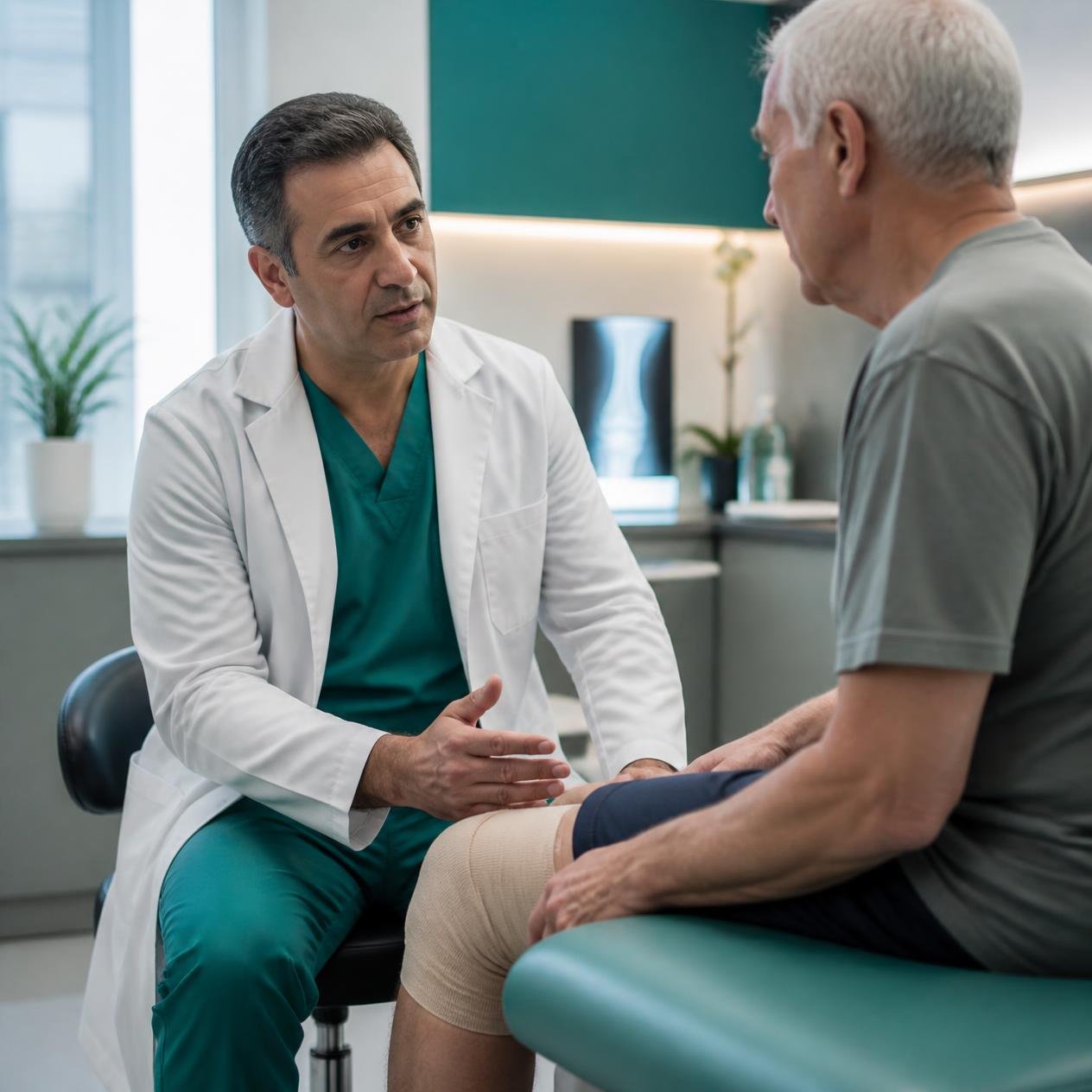
Experiencing pain after knee surgery is a normal part of the healing process. Whether you’ve undergone knee replacement, ACL reconstruction, meniscus surgery, knee arthroscopy, or other knee procedures, some degree of discomfort, swelling, and stiffness is expected during recovery. Effective pain management helps patients stay comfortable, participate in rehabilitation, and regain mobility more confidently.
Pain management after knee surgery is not simply about taking medication. It involves a personalized combination of pain-relieving medications, physiotherapy, activity modification, cold therapy, rehabilitation, and regular follow-up care to support healing while minimizing discomfort.
Normal Recovery Pain
Mild to moderate pain, swelling, and stiffness are common during the early stages of recovery and usually improve gradually with appropriate pain management, rehabilitation, and healing.
Post-Surgical Pain
Pain that remains severe, worsens over time, or limits rehabilitation may require further evaluation to identify the underlying cause and optimize your recovery plan.
RECOVERY COMPARISON
Normal Post-Surgical Pain vs. Persistent Pain
Some discomfort is expected after knee surgery and is an important part of the healing process. However, pain should gradually decrease over time. Understanding the difference between normal recovery pain and persistent or unusual pain helps ensure timely intervention and a successful recovery.
Normal Post-Surgical Pain
Pain that gradually improves over the days and weeks following surgery as the knee heals. This type of pain is expected and usually responds well to medications, physiotherapy, and rehabilitation.
Common Feautures
- Mild to moderate discomfort
- Temporary swelling and stiffness
- Pain gradually improves
- Prescribed pain management
Recovery Goals
- Control pain effectively
- Restore mobility
- Participate in rehabilitation
- Support healthy healing
Persistent or Concerning Pain
Pain that remains severe, worsens over time, or interferes with rehabilitation may indicate an underlying issue requiring further evaluation by your orthopedic surgeon.
Common Feautures
- Severe or increasing pain
- Persistent swelling
- Difficulty progressing with rehab
- Pain that limits daily activities
Recovery Goals
- Control pain effectively
- Restore mobility
- Participate in rehabilitation
- Support healthy healing
Is Your Recovery Progressing as Expected?
If you’re experiencing persistent pain, increasing swelling, or difficulty recovering after knee surgery, a follow-up assessment can help determine whether additional treatment or changes to your rehabilitation plan are needed with pain management after knee surgery.
KNOW WHEN TO SEEK HELP
Signs You May Need Additional Pain Management After Knee Surgery
While some pain and stiffness are expected after knee surgery, persistent or worsening symptoms should not be ignored. Early assessment can help identify the cause, optimize pain control, and keep your recovery on track.
Persistent or Worsening Pain
Pain that remains severe or gradually increases instead of improving with time and prescribed treatment.
Swelling That Doesn't Improve
Ongoing swelling or inflammation that limits knee movement or becomes progressively worse during recovery.
Difficulty Participating in Physiotherapy
Pain that prevents you from completing rehabilitation exercises or slows your recovery progress.
Limited Knee Movement
Difficulty bending or straightening the knee despite following your rehabilitation program.
Pain Affecting Sleep or Daily Activities
Persistent discomfort that interferes with sleeping, walking, climbing stairs, or carrying out routine activities.
Slow or Delayed Recovery
Recovery that is not progressing as expected despite appropriate rehabilitation and post-operative care.
CAUSES, RISK FACTORS & DIAGNOSIS
Understanding Pain Management After Knee Surgery
Common Causes & Risk Factors
Normal Healing Process
Temporary pain, swelling, and inflammation are expected as tissues heal after surgery.
Muscle Weakness & Stiffness
Reduced muscle strength and limited flexibility following surgery can increase discomfort until rehabilitation progresses.
Scar Tissue Formation
Some patients may develop stiffness or excessive scar tissue, which can temporarily affect knee movement and comfort.
Delayed Rehabilitation
Missing physiotherapy sessions or not following rehabilitation recommendations may slow recovery and prolong pain.
Post-Operative Swelling
Fluid accumulation around the knee can contribute to stiffness, discomfort, and reduced range of motion during the early recovery period.
Individual Recovery Factors
Age, overall health, previous knee conditions, and the type of surgery performed can all influence the recovery process and pain levels.
How is Post-Surgical Pain Evaluated?
1
Medical History
Assessment of your symptoms, recovery progress, pain pattern, medications, and physiotherapy history.
2
Physical Examination
Evaluation of knee swelling, wound healing, range of motion, muscle strength, joint stability, and walking pattern.
3
Digital X-rays
X-rays or other imaging studies may be recommended if there are concerns about healing, implant position, or other post-operative issues.
4
Functional Assessment
Assessment of your ability to walk, climb stairs, perform rehabilitation exercises, and carry out daily activities comfortably.
5
Personalized Treatment Planning
Based on your recovery progress, Dr. Muhieddine Hamie develops an individualized plan that may include medication adjustments, rehabilitation strategies, activity modifications, or further evaluation if required.
TREATMENT & RECOVERY JOURNEY
Supporting a Comfortable & Successful Recovery
1
Consultation
Your recovery begins with a detailed review of your surgery, symptoms, pain levels, wound healing, and overall progress.
2
Personalized Plan
A tailored recovery plan is created based on your procedure, symptoms, and rehabilitation goals to effectively manage pain and support healing.
3
Treatment
Pain management is combined with physiotherapy, guided exercises, medications, and activity modifications to restore movement and improve knee function.
4
Monitoring
Regular follow-up appointments help monitor healing, adjust treatment when needed, and ensure your recovery remains on track.
5
Recovery
As pain improves and strength returns, you gradually resume walking, work, recreational activities, and an active lifestyle with greater confidence and comfort.
Your treatment begins with a comprehensive consultation and ends with a structured recovery program designed to help you return to an active life.
BENEFITS OF TREATMENT
Benefits of Pain Management After Knee Surgery
Effective pain management after knee surgery is an essential part of recovery after knee surgery. By controlling pain, reducing inflammation, and supporting rehabilitation, patients can recover more comfortably, restore mobility sooner, and achieve better long-term outcomes.
Better Pain Control & Comfort
A personalized pain management plan helps reduce post-operative discomfort, allowing you to feel more comfortable throughout the recovery process.
Supports Faster Rehabilitation
Effective pain control enables patients to actively participate in physiotherapy, improving strength, flexibility, and overall knee function.
Improves Mobility & Recovery
Managing pain and swelling helps restore knee movement, making it easier to walk, climb stairs, and gradually return to everyday activities.
Enhances Long-Term Surgical Outcomes
Following an individualized pain management and rehabilitation plan supports proper healing, reduces recovery-related complications, and helps patients achieve the best possible long-term results after knee surgery.
WHY CHOOSE DR. MUHIEDDINE HAMIE
Expertise You Can Trust. Care You Can Rely On.
Choosing the right orthopedic surgeon is an important step toward a successful recovery. Dr. Muhieddine Hamie combines advanced orthopedic expertise, personalized treatment planning, and a patient-first approach to deliver exceptional care for every individual. From your first consultation through surgery and rehabilitation, every stage of your journey is guided with precision, compassion, and a commitment to achieving the best possible outcome.
- Personalized Treatment Plans
- Advanced Knee Replacement Expertise
- Patient-Centered Care
- Comprehensive Rehabilitation Support
Committed to helping patients move with confidence, recover with comfort, and return to the activities they enjoy most.

Frequently Asked Questions
Find answers to common questions about the treatment by Dr. Muhieddine Hamie in Dubai.
Is pain normal after knee surgery?
Yes. Mild to moderate pain, swelling, and stiffness are normal after knee surgery and usually improve gradually as healing progresses. Effective pain management helps make recovery more comfortable.
How long does pain last after knee surgery?
Recovery varies depending on the type of surgery performed and individual healing. Most patients notice steady improvement over the first few weeks, although complete recovery may take several months.
What treatments are used to manage pain after knee surgery?
Pain management may include prescribed medications, ice therapy, elevation, physiotherapy, activity modification, assistive devices, and a personalized rehabilitation program.
When should I be concerned about persistent pain?
If your pain becomes more severe, does not improve with treatment, prevents rehabilitation, or is accompanied by excessive swelling, redness, fever, or wound problems, you should contact your orthopedic surgeon for assessment.
Is physiotherapy important for pain management after knee surgery?
Yes. Physiotherapy plays a vital role in reducing stiffness, improving muscle strength, restoring joint movement, and supporting long-term recovery after knee surgery.
Will I need pain medication throughout my recovery?
Most patients gradually reduce their need for pain medication as healing progresses. Your treatment plan will be adjusted according to your recovery and comfort level.
Can I walk after knee surgery?
In most cases, patients are encouraged to begin walking with appropriate support soon after surgery. Your surgeon and physiotherapist will advise you on the safest progression based on your procedure and recovery.
What can I do at home to help manage pain?
Following your prescribed medications, using ice therapy as recommended, elevating the leg, performing rehabilitation exercises, staying active within your limits, and attending follow-up appointments can all support recovery and pain control.
Can persistent pain after knee surgery be treated?
Yes. Persistent pain can often be improved by identifying its underlying cause and adjusting your treatment plan, which may include rehabilitation, medication changes, further evaluation, or additional therapies when appropriate.
How do I know if I need additional pain management after knee surgery?
If your pain is not improving, is limiting your recovery, or is preventing you from participating in rehabilitation, a follow-up consultation with Dr. Muhieddine Hamie can help identify the cause and develop a personalized pain management plan to support a safer and more comfortable recovery.