
Joint replacement

Joint Replacement Surgery in Dubai

  • 5.0 on Google, 19 reviews

  • FACS, MRCS (England)
  • Clemenceau Medical Center, Dubai
Joint Replacement in Dubai with Dr. Hamie
5.019 Google reviews
Dr. Muhieddine Hamie, FACSConsultant Orthopedic Surgeon
Treatment type
Knee replacement or hip replacement
Anaesthesia
Spinal or general anaesthesia, often with a nerve block
Hospital stay
Usually 1 to 3 nights
Back to daily activities
Often 6 to 12 weeks
Return to sport or full activity
Low-impact activity, usually from 3 to 6 months

Typical figures. Dr. Hamie confirms what applies to you at your consultation.

Overview

What Is Joint Replacement Surgery?

In joint replacement surgery, also called arthroplasty, the damaged surfaces of a joint are removed and replaced with implants made of metal, plastic or ceramic. The new surfaces move smoothly against each other, which may relieve the grinding pain of arthritis. The knee and hip are the joints most often replaced.

In a knee replacement, the ends of the thigh and shin bones are resurfaced, either fully (total) or on one side only (partial). In a hip replacement, the worn ball at the upper end of the thigh bone and the socket in the pelvis are replaced. Dr. Hamie performs total, partial and robotic-assisted knee replacement, hip replacement and revision of failed knee replacements.

When to consider

When to Consider Joint Replacement

Joint replacement is worth discussing when arthritis, not age alone, is limiting your life.

  • Pain that limits walking

    You walk shorter distances, need a stick or avoid outings because of joint pain.

  • Pain at rest or night

    The knee or hip aches while you sit or lie down, and wakes you at night.

  • Stiffness in daily tasks

    Putting on shoes and socks, climbing stairs or getting out of a car is hard.

  • Groin or thigh pain

    Hip arthritis often causes pain in the groin, thigh or buttock, sometimes reaching the knee.

  • Simpler treatments no longer help

    Physiotherapy, weight loss, medicines and injections no longer give you useful relief.

  • Arthritis clear on X-rays

    Your images show marked cartilage loss that matches your symptoms and examination.

Diagnosis

How Dr. Hamie Diagnoses Knee and Hip Arthritis

A clear diagnosis comes first, so your treatment plan fits your knee and your goals.

  1. Understanding your symptoms

    Dr. Hamie asks where the pain is, what makes it worse and how it affects work, sleep and activity, since hip problems are often felt in the knee.

  2. Examining hip, knee and spine

    He checks movement, strength, alignment and the way you walk, and examines your spine to find the true source of the pain.

  3. Standing X-rays and review

    X-rays show cartilage loss and joint shape. An MRI or CT scan is added only when needed. You can send existing images on WhatsApp before your visit.

Treatment options

Treatment Options for Knee and Hip Arthritis

Joint replacement is a major operation, so Dr. Hamie considers simpler treatments first where they are likely to help.

First step

Non-surgical care

Many people manage arthritis well for years with non-surgical care, especially in its earlier stages.

  • Physiotherapy and a home exercise programme
  • Weight management, walking aids and activity changes
  • Pain relief medicines and joint injections

When needed

Surgical treatment

When pain and stiffness are no longer controlled, surgery may improve comfort and movement.

  • Total or partial knee replacement, including robotic-assisted options
  • Total hip replacement for a worn hip joint
  • Knee osteotomy for selected younger patients with one-sided arthritis
The procedure

What Happens During Joint Replacement Surgery

Dr. Hamie explains every step before your treatment, so you know exactly what to expect on the day.

  1. Pre-operative assessment

    Blood tests, a general health check, and advice on medicines, home preparation and exercises before surgery help you get ready.

  2. Anaesthesia and pain relief

    You usually receive a spinal anaesthetic (numbing from the waist down) or a general anaesthetic, often with a nerve block to help with pain afterwards.

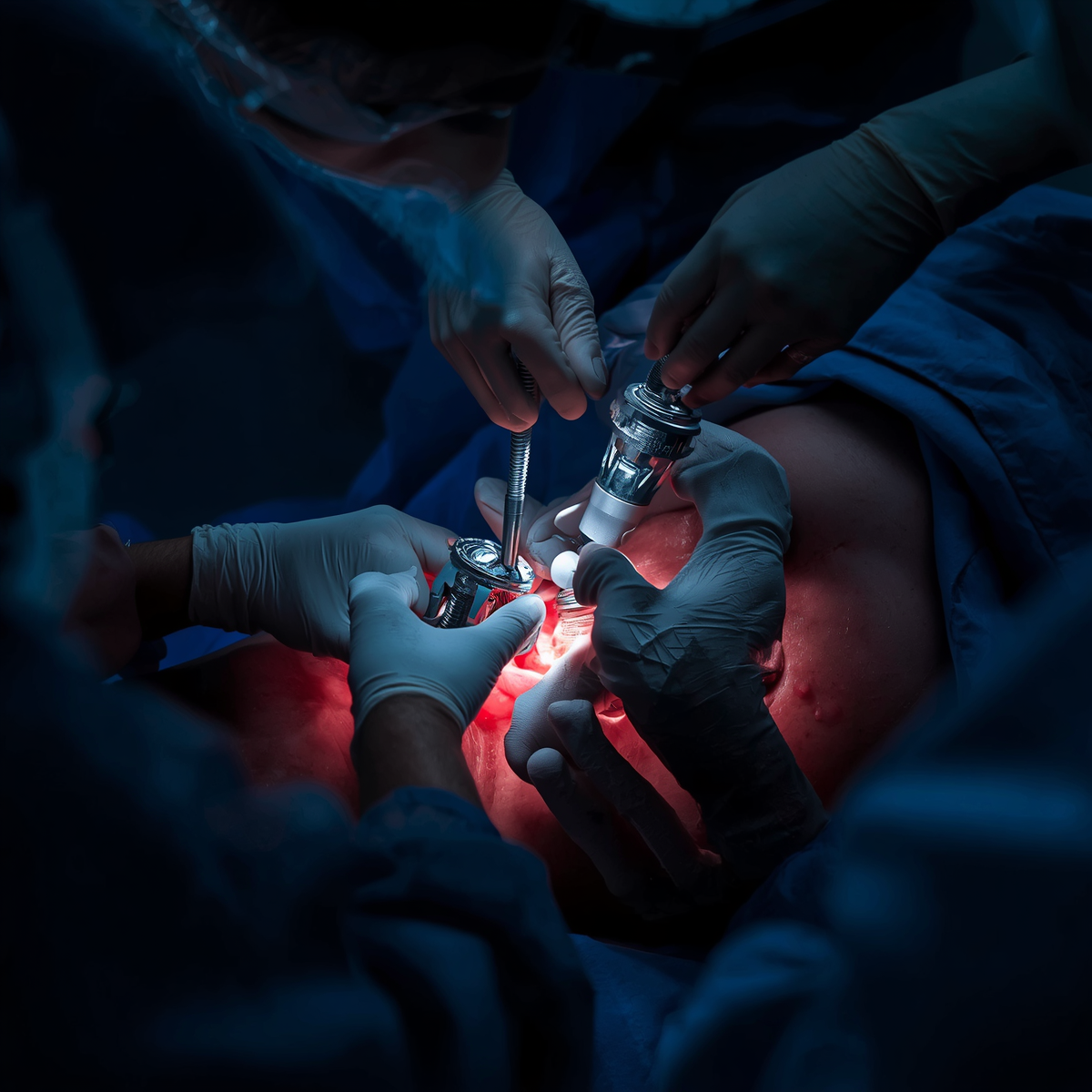
  3. Replacing the joint

    Dr. Hamie removes the damaged surfaces, prepares the bone and fits the implants, checking movement, stability and leg length. Surgery often takes 1 to 2 hours.

  4. Early walking

    A physiotherapist usually helps you stand and walk with a frame on the day of surgery or the following day.

Recovery

Recovery After Joint Replacement

Knee and hip recoveries differ and every patient progresses at their own pace, so Dr. Hamie confirms your timeline at consultation.

  1. Days 1 to 3

    In hospital

    You walk with a frame, learn your exercises and any movement precautions, and go home once you can move safely.

  2. Weeks 1 to 6

    Early recovery at home

    Swelling and tiredness are common. A new knee needs steady work on bending, while a new hip needs work on strength and balance.

  3. Weeks 6 to 12

    Back to routine

    Many people return to most daily tasks, desk work and driving, and move from a stick to walking unaided.

  4. Months 3 to 12

    Continued improvement

    Strength and stamina keep improving. Low-impact activities such as walking, swimming, cycling and golf are often possible.

Dr. Hamie follows up with you at every stage of your recovery.

Why Dr. Hamie

Why Patients Choose Dr. Hamie for Joint Replacement

  • Knee and hip replacement

    Dr. Hamie performs total, partial and robotic-assisted knee replacement, hip replacement, and revision of failed knee replacements.

  • Recognised qualifications

    He holds the ESSKA European Certification in Knee Arthroplasty, is a Fellow of the American College of Surgeons (FACS) and holds MRCS (England).

  • Surgery only when it helps

    He makes a clear diagnosis, looks at non-surgical options first, and recommends replacement only when it is likely to help.

Patient stories

Hear Directly from Those Who Walk Stronger Today

Real stories from patients who have regained their mobility and confidence with Dr. Hamie.

5.0Based on 19 Google reviews
FAQ

Frequently Asked Questions

Clear answers to the questions patients ask Dr. Hamie most often.

Still have a question?Typical reply within 2 hours

Send your question with the booking form, and attach your MRI or X-ray for Dr. Hamie to review.

Am I too young or too old for joint replacement?

Age alone does not decide. Dr. Hamie looks at how much arthritis affects your life, what your X-rays show and your general health. Younger, very active patients may wear an implant sooner, so other options are considered first. Older patients can do well if they are fit enough for surgery and rehabilitation.

How long do knee and hip replacements last?

Modern implants often last many years, and for many patients they last the rest of their life. Wear depends on age, weight, activity level and implant position. Dr. Hamie gives you advice on protecting your new joint and arranges follow-up reviews to keep an eye on it.

Should I have my knee or hip replaced first?

If both are painful, Dr. Hamie usually treats the joint causing the most trouble first. Hip arthritis can also cause knee pain, so treating the hip sometimes eases the knee as well. He examines both joints and your spine before advising which operation, if any, should come first.

What are the risks of joint replacement?

As with any major operation, risks include infection, blood clots, stiffness, ongoing pain, nerve or blood vessel injury, and wear or loosening over time. After hip replacement, dislocation is also possible. Dr. Hamie explains how each risk is reduced, for example with antibiotics, blood-thinning medicines and early walking.

How do I prepare for joint replacement surgery?

Stay as active as you can, follow any exercise plan and manage your weight if advised. Quit smoking, keep blood sugar under control if you have diabetes, and treat any skin or dental infections first. Arrange help at home for the first weeks. Dr. Hamie and the clinic team give you a clear checklist.

Appointments

Discuss Joint Replacement With Dr. Hamie

Book a consultation at Clemenceau Medical Center, Dubai, or send your knee or hip X-rays on WhatsApp to +971 56 165 7695 before your visit. Appointments are at Clemenceau Medical Center in Dubai Healthcare City, and you can send your MRI or X-ray before your visit.

  • Phone & WhatsApp+971 56 165 7695
  • AddressClemenceau Medical Center, Dubai Healthcare City Phase 2, Al Jadaf, Dubai
  • Clinic hours Mon, Wed9:00 AM to 7:00 PM Tue, Thu8:00 AM to 6:00 PM Sunday8:00 AM to 4:00 PM Fri, SatClosed
  • Emaildoctorhamieh@gmail.com

Send your details

The clinic replies by WhatsApp or phone.

+971
Find the clinic

Clemenceau Medical Center

Dubai Healthcare City Phase 2, Al Jadaf, Dubai

Call the clinic+971 56 165 7695