
 5.0 on Google, 19 reviews
Related care: PCL Reconstruction and Multi-Ligament Knee Surgery. Dr. Hamie sees patients at Clemenceau Medical Center, Dubai Healthcare City.
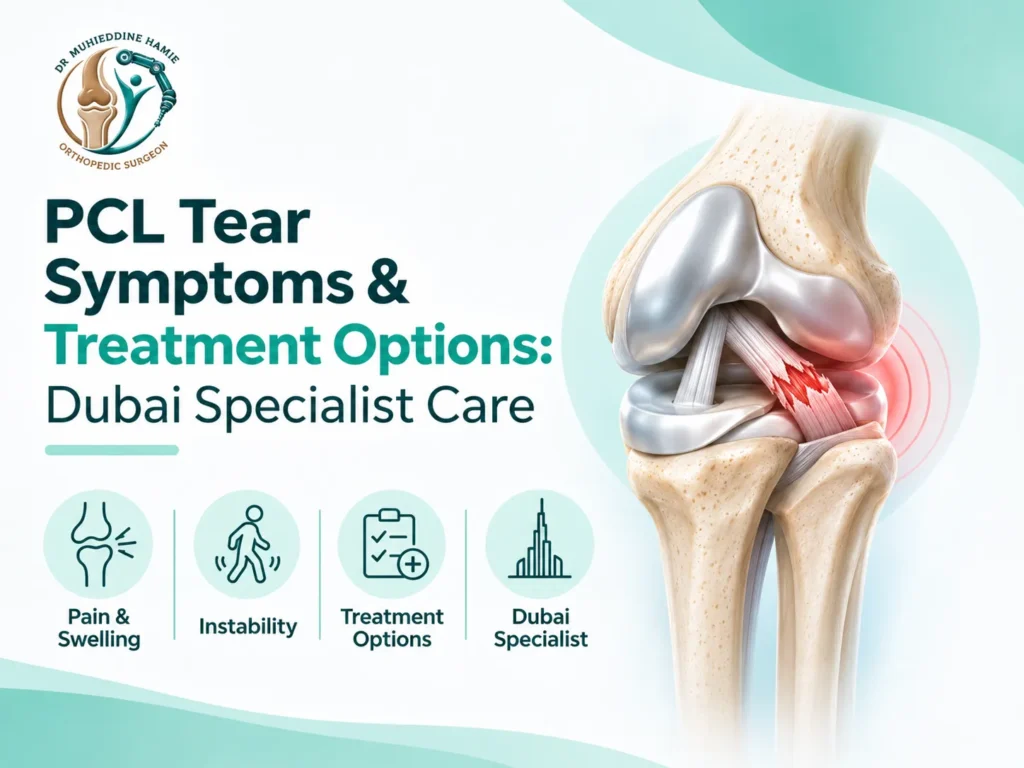
Sustaining trauma to the deep stabilizing structures of the knee can severely impair mobility, athletic agility, and daily comfort. Recognising early PCL tear symptoms allows active individuals across Dubai to seek timely medical attention before joint instability causes secondary chondral wear.
Unlike anterior cruciate ligament ruptures that announce themselves with a dramatic pop, posterior ligament injuries are often subtle. Many patients overlook initial PCL tear symptoms, mistaking the dull posterior ache for a simple muscular strain or tendonitis. Enduring untreated discomfort alters normal walking mechanics, placing abnormal stress across the kneecap and medial joint compartments.
Modern orthopaedics offers evidence-based diagnostic tools and minimally invasive restorative options for ligament trauma. Understanding distinct PCL tear symptoms helps you take proactive steps toward functional recovery. At Dr. Hamie Clinic, comprehensive clinical evaluations prioritize precise diagnostic grading, non-surgical joint preservation, and advanced arthroscopic reconstruction.
Anatomical Mechanics Behind PCL Tear Symptoms
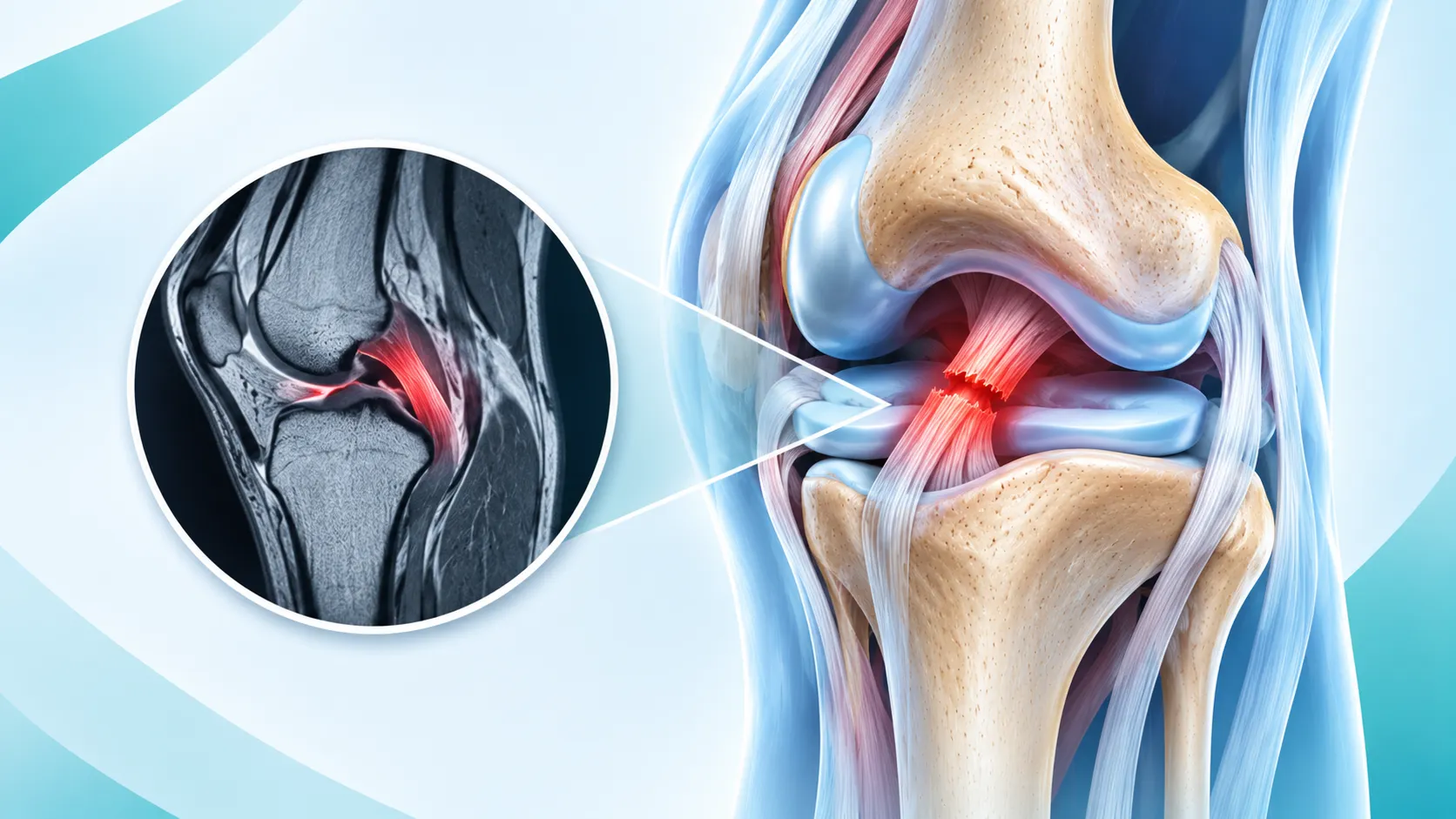
The posterior cruciate ligament functions as the primary passive restraint against posterior tibial displacement relative to the femur. It is structurally thicker and stronger than the ACL, providing significant mechanical stability during deep flexion. When examining PCL tear symptoms, orthopaedic surgeons evaluate how ligament compromise alters weight-bearing mechanics.
The ligament consists of two primary functional components: the robust anterolateral bundle and the posteromedial bundle. When both bundles stretch or tear, the tibia sags backward under the weight of gravity. In patients presenting with PCL tear symptoms, this posterior sag increases contact pressures between the patella and femoral groove.
Understanding the biomechanics of PCL tear symptoms explains why chronic posterior instability produces diffuse anterior knee aching over time. Left unaddressed, abnormal kinematics lead to accelerated wear of the patellofemoral cartilage and medial meniscus.
Common Clinical Presentations and PCL Tear Symptoms
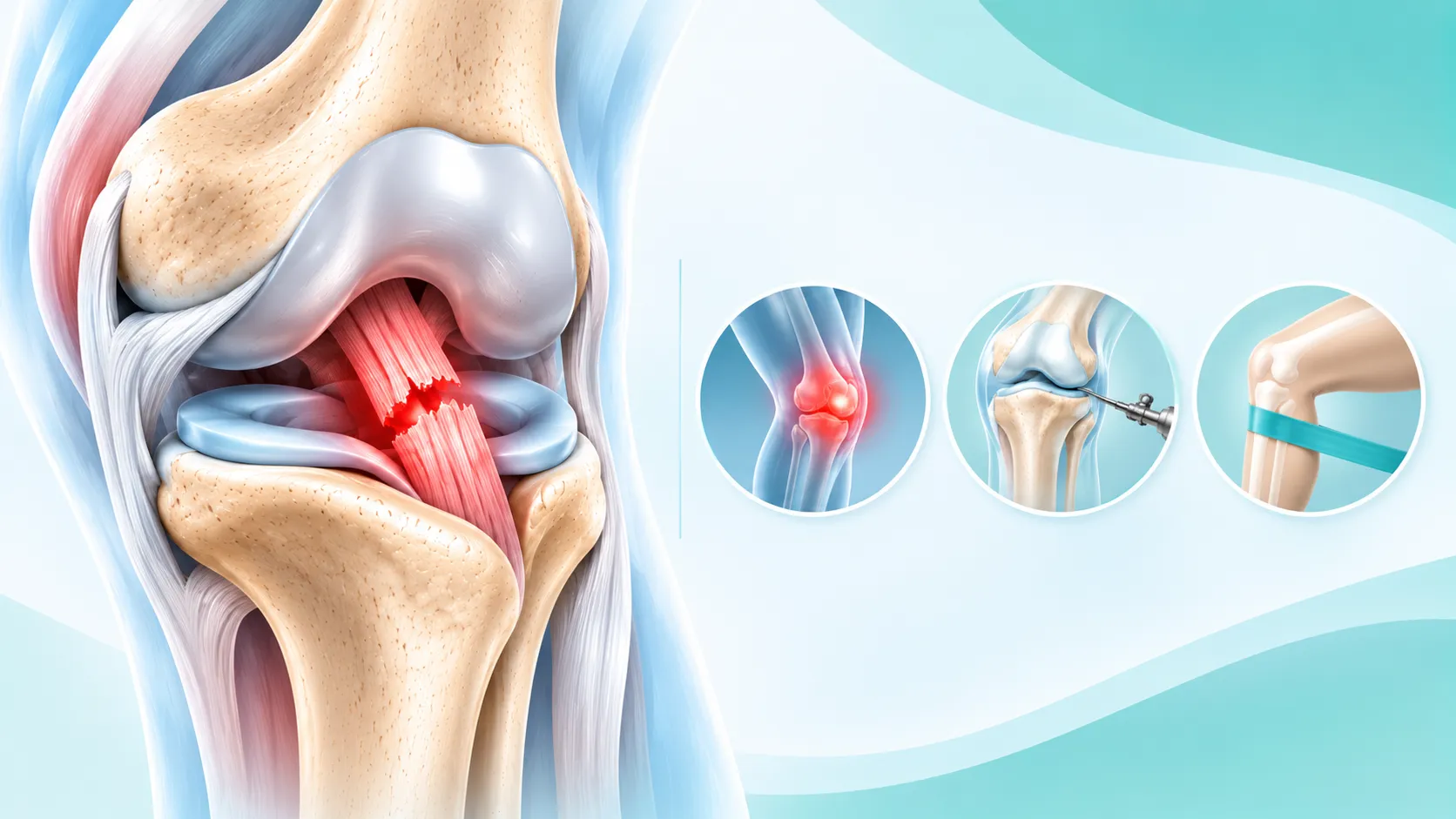
Patients coping with a posterior ligament injury display a characteristic cluster of clinical signs. Monitoring these PCL tear symptoms ensures that joint laxity is identified and stabilized before secondary trauma develops:
- Posterior knee discomfort: A persistent, deep aching localized behind the joint capsule, intensified during deep squats, kneeling, or lunging.
- Rapid onset swelling: Mild to moderate intra-articular effusion that develops within the first twenty-four hours following direct mechanical trauma.
- Difficulty descending inclines: Notable instability or sharp pain when walking downhill, descending stairs, or stepping off road curbs across Dubai.
- Mechanical knee instability: A vague sensation that the joint is giving way or slipping backward during sudden deceleration or directional changes.
- Posterior tibial sag: A visible step-off deformity where the upper shin bone sits noticeably backward compared to the uninjured leg when lying bent.
Identifying these physical PCL tear symptoms early allows for prompt orthopaedic intervention. Timely treatment shields surrounding cartilage structures from unnatural shear forces.
Trauma Mechanics of a Posterior Cruciate Ligament Injury
Sustaining a posterior cruciate ligament injury typically requires high-energy mechanical impact or severe abnormal joint displacement. The most common mechanism involves a direct blow to the proximal anterior tibia while the knee remains bent at ninety degrees.
Athletic collisions in sports such as football, rugby, and basketball represent frequent causes of a posterior cruciate ligament injury. An opponent landing across the front of a bent shin drives the tibia backward, overloading the ligament fibers beyond their physiological limits. Severe hyperextension forces can also rupture the posterior fibers during high-speed athletic maneuvers.
Diagnosing a posterior cruciate ligament injury promptly is essential, as isolated injuries are frequently missed during emergency assessments. At Dr. Hamie Clinic in Dubai, specialized stress testing confirms whether joint laxity stems from isolated posterior trauma or multi-ligament disruption.
Send your X-ray or MRI on WhatsApp and Dr. Hamie will review it before your visit.
Understanding the Impact of a Dashboard Knee Injury
Motor vehicle collisions represent a major clinical cause of severe ligament disruption across the UAE. Experiencing a dashboard knee injury occurs when the front of a bent knee strikes the vehicle dashboard during rapid vehicular deceleration.
The physical force generated during a dashboard knee injury drives the tibial plateau violently backward against the femoral condyles. In many instances, this blunt impact causes concurrent bone contusions, posterior horn meniscal tears, or popliteal neurovascular stretching.
Patients who sustain a dashboard knee injury often present with cutaneous bruising across the tibial tubercle. Investigating PCL tear symptoms following road trauma requires careful screening to rule out associated posterolateral corner injuries. Dr. Muhieddine Hamie utilizes high-resolution imaging to evaluate the full extent of trauma following vehicular collisions.
Detailed Classification of Clinical PCL Injury Grades
Orthopaedic specialists categorize ligament damage into three standardised clinical levels based on objective posterior displacement:
- Grade 1 sprain: Represents microscopic fiber stretching with 1 to 5 millimeters of posterior tibial displacement; the tibia remains anterior to the femoral condyles during stress testing.
- Grade 2 partial tear: Involves incomplete structural disruption with 5 to 10 millimeters of posterior excursion; the tibial plateau rests flush with the femoral condyles.
- Grade 3 complete tear: Features total ligament separation with greater than 10 millimeters of posterior laxity; the tibia sags behind the femoral condyles, indicating associated capsular damage.
Correlating physical findings with these PCL injury grades ensures that patients receive appropriate treatment. Understanding these clinical PCL injury grades allows the surgical team to separate non-operative candidates from those needing reconstruction.
Diagnostic Comparison Across PCL Injury Grades
Selecting an appropriate management pathway requires balancing structural laxity against functional physical demands. The comparative matrix below outlines the primary diagnostic parameters across the spectrum of posterior trauma.
| Injury Classification | Tibial Displacement Range | Posterior Drawer Endpoint | Typical Treatment Modality | Rehabilitation Milestone Focus |
|---|---|---|---|---|
| Grade 1 Sprain | 1 to 5 mm posterior shift | Firm, distinct endpoint | Conservative dynamic rehabilitation | Swelling control and quadriceps hypertrophy |
| Grade 2 Partial Tear | 5 to 10 mm posterior shift | Soft, sluggish endpoint | Specialized dynamic PCL bracing | Protection against posterior tibial subluxation |
| Grade 3 Complete Tear | Exceeds 10 mm posterior shift | Absent mechanical endpoint | Arthroscopic ligament reconstruction | Anatomic graft protection and functional stability |
Reviewing these objective criteria clarifies how structural laxity guides clinical planning. Accurately mapping PCL tear symptoms to diagnostic grades ensures that joint restoration is executed safely.
Non-Surgical Management and Conservative Care Pathways
Because the posterior cruciate ligament possesses an intrinsic vascular healing capacity superior to the ACL, many isolated partial tears heal without operative intervention. When PCL tear symptoms indicate a Grade 1 or Grade 2 injury, conservative protocols provide excellent functional outcomes.
Conservative management relies on dynamic PCL bracing that applies a continuous anterior translation force to the posterior tibia. This mechanical support counteracts gravitational sag, keeping torn ligament ends in direct biological contact. Resting the leg in extension prevents hamstring pull from displacing healing collagen fibers.
Rehabilitation emphasizes progressive quadriceps strengthening. The quadriceps muscles serve as primary dynamic synergists, pulling the tibia forward to compensate for ligament laxity. Conservative care successfully resolves PCL tear symptoms for patients with low physical demands or isolated partial trauma.
Functional Trajectories and PCL Reconstruction Recovery Time
When extensive mechanical instability requires operative care, understanding your anticipated PCL reconstruction recovery time provides practical clarity. Ligament healing follows a phased biological trajectory requiring disciplined adherence to rehabilitation protocols.
During the initial phase of your PCL reconstruction recovery time, patients wear a dynamic brace locked in extension to protect the delicate graft from gravitational sag. Crutch-assisted partial weight-bearing continues for five to six weeks. Isolated open-chain hamstring exercises are strictly avoided during early phases to prevent excessive posterior shear stress across healing graft anchors.
As biological ligamentization advances, therapy transitions toward active closed-chain quadriceps strengthening and proprioceptive balancing. Full functional recovery and return to pivoting sports typically span nine to twelve months. Diligent adherence to supervised rehabilitation ensures that reconstructed grafts provide decades of joint stability.
Indications for Advanced Surgical Reconstruction
While non-surgical therapy is suitable for isolated minor sprains, severe injuries require operative reconstruction. Surgical intervention is strongly indicated for Grade 3 complete ruptures, chronic symptomatic instability, or multi-ligament injuries involving the posterolateral corner.
Ignoring persistent PCL tear symptoms in high-demand individuals leads to chronic articular overload. Over time, recurrent posterior translation wears down the medial femoral condyle and patellofemoral cartilage, culminating in early-onset post-traumatic osteoarthritis. Surgical reconstruction re-establishes normal joint kinematics, shielding articular cartilage from chronic shear forces.
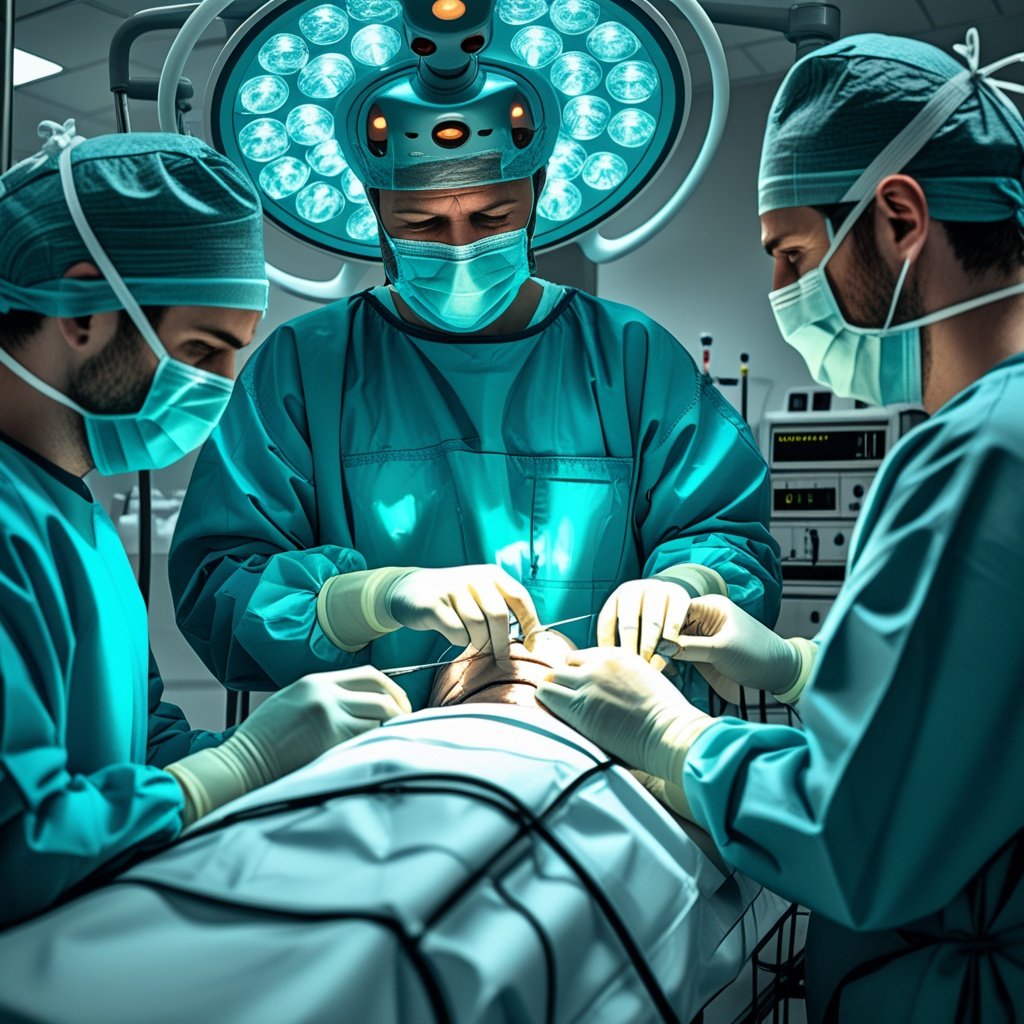
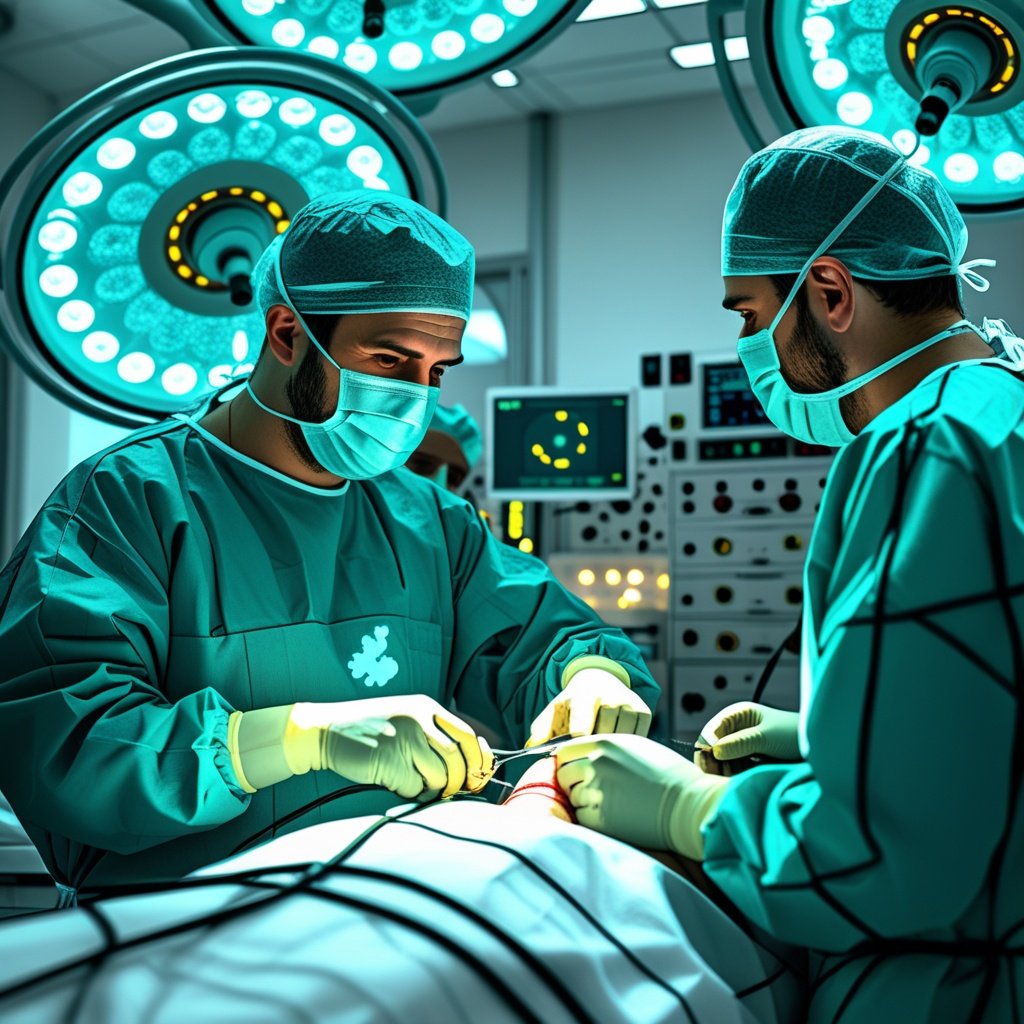
Patients seeking specialized PCL reconstruction in Dubai receive individualized care plans tailored to their physical build and athletic goals. Dr. Muhieddine Hamie performs advanced arthroscopic reconstruction using high-strength tendon autografts or allografts. Anatomical tunnel placement restores the natural kinematics of the knee, providing firm, reliable joint stability.
Comprehensive Clinical Care at Dr. Hamie Clinic
Managing posterior ligament trauma requires advanced diagnostic interpretation and specialized surgical expertise. At Dr. Hamie Clinic in Dubai Healthcare City Phase 2, Dr. Muhieddine Hamie utilizes high-resolution 3T MRI imaging and precise stress radiography to evaluate complex ligament tears.
Every treatment strategy is tailored to the patient's anatomical requirements and personal lifestyle demands. By evaluating soft-tissue tension dynamically, Dr. Hamie ensures that both non-operative bracing regimens and arthroscopic reconstructions deliver optimal mechanical stability.
Patients presenting with PCL tear symptoms receive transparent, evidence-based guidance throughout their recovery. Dr. Hamie's focus on minimally invasive techniques and criteria-based rehabilitation supports a safe, confident return to dynamic sports and active living.
Reclaim Your Knee Stability and Joint Health Today
Experiencing a severe knee injury should not force you into chronic instability, discomfort, or restricted physical activity across Dubai. Recognizing critical PCL tear symptoms provides the knowledge needed to pursue definitive orthopaedic care with total confidence.
Dr. Muhieddine Hamie delivers advanced clinical evaluations, dynamic stress testing, and state-of-the-art arthroscopic ligament reconstruction at Dr. Hamie Clinic. Take decisive action to resolve joint instability, protect your articular cartilage, and reclaim your active lifestyle.
Schedule Your Comprehensive Orthopaedic Consultation
Connect directly with the specialized clinical team at Dr. Hamie Clinic in Dubai to evaluate your knee injury and design your individualized recovery program. Book your consultation today through our online booking system or contact our Al Jaddaf clinic directly.
Conclusion
Navigating posterior ligament trauma requires experienced diagnostic evaluation, accurate injury grading, and structured rehabilitation protocols. While minor partial tears often stabilize with specialized dynamic bracing and quadriceps strengthening, complete ruptures in active individuals typically require surgical reconstruction to prevent long-term cartilage wear.
Understanding your specific clinical injury grade prevents premature physical loading and safeguards delicate joint cartilage from secondary degeneration. Targeted physical therapy rebuilds neuromuscular reflexes, dynamic muscular control, and joint confidence.
Partnering with an experienced orthopaedic specialist ensures your treatment aligns with your long-term mobility goals. Restoring stable, pain-free joint function empowers you to pursue your athletic and professional ambitions across Dubai with complete confidence.
Frequently Asked Questions:
What are the most common PCL tear symptoms to watch for?
Common symptoms include a dull ache behind the knee, mild joint swelling within twenty-four hours, discomfort when walking downstairs or downhill, and a visible posterior sag of the shin bone.
How does a posterior cruciate ligament injury occur most frequently?
A posterior ligament injury typically results from a direct blow to the front of a bent knee, such as hitting a car dashboard during a collision or falling directly onto a bent knee during football.
What is the primary cause of a dashboard knee injury?
A dashboard injury occurs during sudden vehicular deceleration when the upper shin strikes the dashboard, driving the tibia violently backward against the femur and tearing the posterior cruciate ligament.
How do orthopaedic surgeons classify clinical PCL injury grades?
Surgeons classify tears into three grades: Grade 1 involves mild stretching with under 5 mm of posterior laxity, Grade 2 represents a partial tear with 5 to 10 mm of laxity, and Grade 3 confirms a complete rupture exceeding 10 mm.
Can a torn posterior cruciate ligament heal without surgical intervention?
Yes, isolated Grade 1 and Grade 2 tears often heal successfully without surgery using specialized dynamic PCL bracing, activity modification, and structured quadriceps rehabilitation protocols.
What happens if severe PCL tear symptoms are left untreated?
Untreated complete tears cause chronic posterior instability, placing abnormal shear forces on the kneecap and medial joint compartment, which significantly accelerates the onset of early osteoarthritis.

Consultant Orthopedic Surgeon at Clemenceau Medical Center, Dubai. He performs robotic-assisted, total, partial and revision knee replacement and treats sports injuries of the knee.
Meet Dr. Hamie