Mako vs ROSA vs VELYS

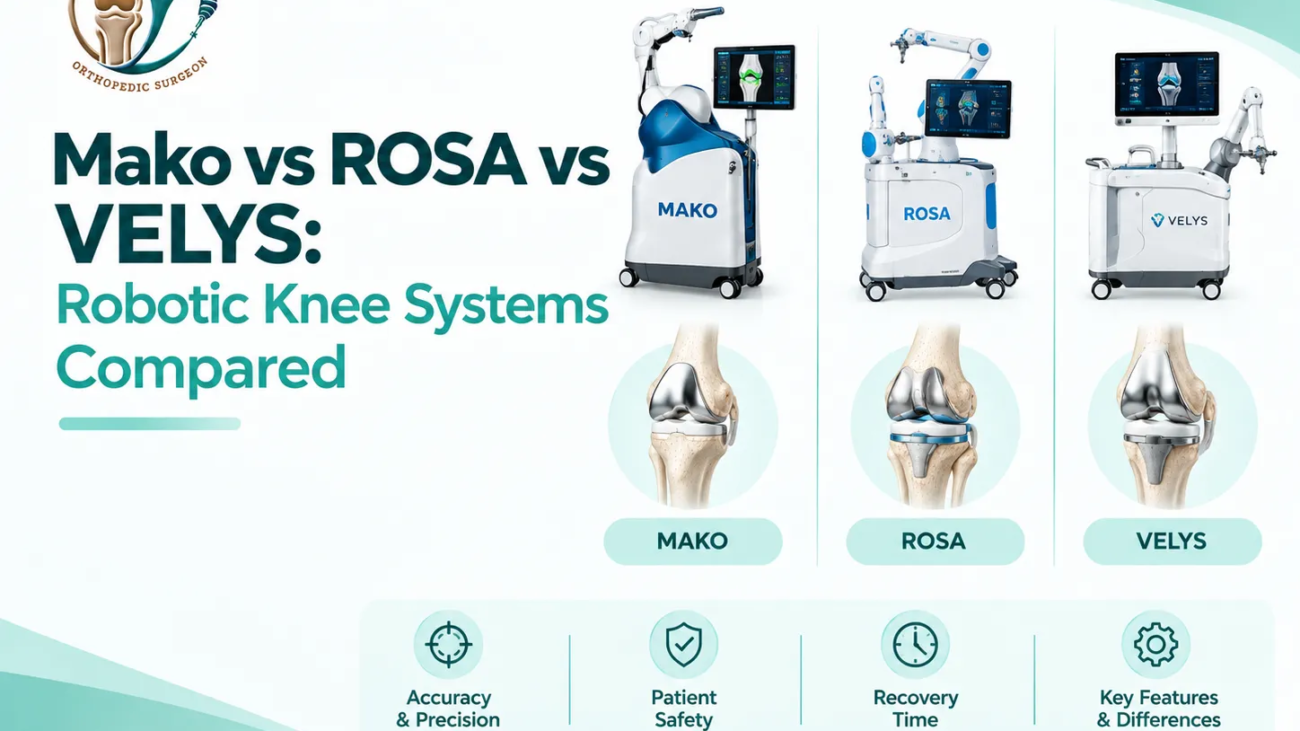
Mako vs ROSA vs VELYS: Robotic Knee Systems Compared

Advanced surgical robotics has fundamentally modernised joint reconstruction across the UAE, providing patients with exceptional operative precision and faster physical rehabilitation. Evaluating MAKO vs ROSA vs VELYS platforms helps prospective patients understand the distinct technological innovations driving contemporary orthopaedic surgery.

Many active residents in Dubai seeking relief from chronic joint arthritis investigate the mechanical nuances between these systems. A thorough analysis of MAKO vs ROSA vs VELYS reveals how each surgical platform approaches preoperative imaging, soft-tissue balancing, and bone resection. While each platform delivers sub-millimeter surgical accuracy, their engineering methodologies and intraoperative workflows differ significantly.

Choosing between robotic solutions requires an understanding of patient-specific anatomy, bone morphology, and ligament balance. Exploring MAKO vs ROSA vs VELYS allows you to navigate surgical recommendations with confidence. At Dr. Muhieddine Hamie Clinic, patient evaluations focus on matching individual joint kinematics with the most suitable technological platform to achieve lifelong mobility.

Technical Foundations of MAKO vs ROSA vs VELYS Technologies

Understanding the operational differences in MAKO vs ROSA vs VELYS begins with examining how each system registers patient anatomy. Robotic platforms function as assistive surgical extensions, translating complex algorithmic data into real-time feedback for the orthopaedic surgeon. Comparing MAKO vs ROSA vs VELYS demonstrates how digital workflows eliminate manual estimation during bone preparation.

The primary distinction across these systems centres on image-based versus imageless planning protocols. In MAKO vs ROSA vs VELYS evaluations, some systems require high-resolution pre-operative computed tomography (CT) scans to construct a 3D digital bone model. Other platforms utilize intraoperative optical mapping and continuous optical tracking to calculate bone geometry without radiation exposure.

Furthermore, analysing MAKO vs ROSA vs VELYS highlights differences in robotic arm design and saw blade guidance. Certain platforms utilize active haptic boundaries, while others feature semi-autonomous robotic cutting guides. Evaluating MAKO vs ROSA vs VELYS ensures that patients recognize how robotic navigation optimizes prosthetic alignment and soft-tissue balance.

Detailed Overview of Primary Types of Robotic Knee Replacement

Contemporary orthopaedic surgery incorporates three foundational types of robotic knee replacement based on robotic interactivity and control mechanisms:

  • Haptic robotic systems: The surgeon physically operates the cutting instrument, but the robotic arm enforces rigid virtual boundaries. The blade automatically stops spinning if moved outside the predefined operative zone, safeguarding collateral ligaments.
  • Semi-autonomous robotic arms: The robotic arm independently positions a mechanical cutting jig against the bone based on real-time optical tracking. The surgeon performs the bone resection through this computer-positioned guide block.
  • Handheld robotic navigation devices: Compact, imageless navigational tools guide bone resections without a large robotic gantry, using dynamic sensor feedback to ensure accurate component positioning.

Evaluating these types of robotic knee replacement ensures that surgical candidates understand the engineering philosophy behind each platform. Selecting among these types of robotic knee replacement depends on individual bone quality, prior deformities, and the surgeon’s clinical strategy. Understanding the available types of robotic knee replacement provides clarity on how technology elevates surgical safety.

In-Depth Analysis of the MAKO Robotic Arm System

The Stryker MAKO robotic arm represents one of the most established and widely studied surgical platforms in modern arthroplasty. This system utilizes a dedicated pre-operative CT scan to create an interactive 3D digital model of the patient’s knee anatomy. The surgeon uses this model to optimize component size, alignment axes, and implant positioning prior to entering the operating room.

During surgery, the MAKO robotic arm enforces strict stereotactic haptic feedback. The robotic arm actively guides the surgeon’s hand, physically preventing the oscillating saw from violating defined bony boundaries. This active boundary protection protects vital soft-tissue envelopes, including the posterior cruciate ligament and popliteal neurovascular bundle.

Furthermore, the MAKO robotic arm enables dynamic intra-operative ligament balancing before executing definitive bone cuts. The surgeon tensions the joint throughout flexion and extension, adjusting implant coordinates on the screen. The MAKO robotic arm provides exceptional precision, making it an outstanding platform for both partial resurfacing and total joint arthroplasty.

Clinical Capabilities of ROSA Robotic Knee Replacement

Developed by Zimmer Biomet, the ROSA robotic knee replacement platform offers remarkable intra-operative adaptability. ROSA (Robotic Surgical Assistant) utilizes both pre-operative 2D X-ray modelling and dynamic intraoperative optical mapping. This flexible approach eliminates the strict requirement for pre-operative CT radiation while delivering robust three-dimensional anatomic data.

During a ROSA robotic knee replacement, high-resolution optical cameras and osseous tracking arrays continuously calculate the patient’s exact leg position in space. If the patient’s leg shifts slightly on the operating table, the robotic arm adjusts its orientation synchronously. This real-time tracking ensures that bone preparation matches the pre-planned surgical trajectory perfectly.

In addition, ROSA robotic knee replacement places significant emphasis on soft-tissue tensioning and joint kinematics. The system measures real-time ligament laxity throughout the entire range of motion, providing immediate data on gap balancing. Choosing a ROSA robotic knee replacement allows surgeons to personalize implant positioning based on the patient’s native soft-tissue envelope.

Distinct Innovations of VELYS Robotic Knee Replacement

The DePuy Synthes VELYS robotic knee replacement platform is a compact, imageless robotic solution designed to streamline operative workflows. Unlike systems that depend on pre-operative CT scans, VELYS captures anatomical surface mapping directly in the operating theatre using high-speed digital optical tracking.

A core advantage of VELYS robotic knee replacement is its integrated dynamic joint tracking technology. The system monitors the mechanical axis and soft-tissue balance through a complete, continuous arc of motion from full extension to deep flexion. This real-time data allows the surgeon to make micro-adjustments to implant positioning before any bone resection occurs.

Operating with VELYS robotic knee replacement instrumentation gives the surgeon exceptional tactile responsiveness combined with high-speed automated saw guidance. The compact system mounts directly to the operating table, conserving surgical space while delivering sub-millimeter cutting precision. Opting for VELYS robotic knee replacement ensures high kinematic accuracy without requiring prior radiographic imaging.

Comparative Matrix: MAKO vs ROSA vs VELYS

Selecting between robotic platforms requires analyzing technical capabilities alongside surgical workflows. The comparative table below outlines essential engineering specifications across all three robotic systems.

Technical ParameterStryker MAKO SystemZimmer Biomet ROSADePuy Synthes VELYS
Imaging ProtocolPre-operative 3D CT scan required2D X-ray modelling or imageless mappingCompletely imageless intraoperative mapping
Robotic Guidance StyleActive haptic boundary saw armSemi-autonomous robotic cutting guideHigh-speed automated robotic saw mount
Soft-Tissue BalancingDynamic pre-resection virtual tensioningReal-time gap balancing through rangeContinuous kinematic tracking across full arc
Ligament ProtectionActive saw shutdown at virtual boundaryStable guide block prevents blade excursionOptical sensors control cutting zone limits
Joint ApplicationsPartial knee, total knee, total hipTotal knee, partial kneeTotal knee replacement
Pre-Operative RadiationLow-dose CT radiation exposureMinimal (standard X-rays) or noneZero pre-operative radiation exposure

Reviewing these metrics clarifies how MAKO vs ROSA vs VELYS systems manage anatomical alignment. Each platform offers unique operative advantages, allowing the surgeon to select the optimal technology for each patient’s joint structure.

Diagnostic Evaluation and Surgical System Selection

Determining which robotic approach is optimal in MAKO vs ROSA vs VELYS assessments requires evaluating bone quality, anatomical deformities, and soft-tissue stability. Patients presenting with complex post-traumatic deformities or retained metal hardware from previous fractures may benefit from imageless navigation like VELYS or ROSA, bypassing CT metal-artefact distortions.

Conversely, patients with severe bone loss or unique dysplastic joint morphology often benefit from the comprehensive pre-operative 3D virtual planning provided by the MAKO robotic arm. Thorough diagnostic assessments ensure that the selected platform addresses your exact anatomical variations.

Regardless of the robotic platform chosen, advanced operative precision directly enhances long-term joint outcomes. Modern surgical planning optimizes the soft-tissue envelope, which plays a major role in determining your anticipated robotic knee replacement recovery time. Minimizing surgical trauma allows patients to mobilize comfortably within hours of leaving the operating theatre.

Biomechanical Precision and Clinical Longevity

Patients frequently inquire about how robotic technologies compare to manual techniques when evaluating robotic vs traditional knee replacement. Conventional manual techniques rely on mechanical alignment rods and visual inspection, which carry higher rates of alignment outliers.

Comparing MAKO vs ROSA vs VELYS platforms demonstrates that all three robotic systems consistently achieve component alignment within one degree and one millimeter of the surgical plan. This structural accuracy ensures that weight-bearing forces are distributed evenly across the prosthetic bearing surfaces.

Balanced joint loading reduces unnatural shearing stresses on the polyethylene insert, which helps prevent premature wear and mechanical loosening. Selecting an advanced robotic platform preserves bone stock, supports native kinematics, and promotes lasting prosthetic stability.

Residents across the UAE seeking world-class robotic assisted knee replacement in Dubai receive individualized care plans tailored to their physical lifestyle demands. Understanding the engineering differences in MAKO vs ROSA vs VELYS ensures that your joint surgery is executed with modern technological precision.

Advanced Robotic Joint Surgery at Dr. Muhieddine Hamie Clinic

Surgical robotics represents a sophisticated navigational extension of an experienced orthopaedic surgeon’s hands. Dr. Muhieddine Hamie utilizes cutting-edge digital planning and robotic instrumentation to deliver tailored joint resurfacing at his Dubai Healthcare City practice.

Combining international orthopaedic fellowship expertise with state-of-the-art robotic platforms, Dr. Hamie designs customized operative strategies for every patient. By analysing native joint balance and bone geometry, surgery restores natural knee kinematics rather than enforcing rigid, generic population averages.

Patients benefit from smaller incisions, reduced intra-operative blood loss, and accelerated functional recovery. Thorough pre-operative consultations evaluate whether MAKO vs ROSA vs VELYS methodologies best address your clinical pathology, ensuring that you achieve a stable, pain-free joint.

Reclaim Your Active Mobility and Joint Vitality Today

Living with severe joint arthritis should not restrict your personal vitality, professional productivity, or active lifestyle across Dubai. Evaluating MAKO vs ROSA vs VELYS platforms provides the knowledge needed to pursue advanced robotic joint restoration with complete confidence.

Dr. Muhieddine Hamie provides comprehensive diagnostic evaluations, digital joint planning, and advanced robotic-assisted surgical care in Dubai Healthcare City Phase 2. Take proactive steps to eliminate chronic joint pain, protect your native ligaments, and restore your active mobility.

Schedule Your Comprehensive Orthopaedic Consultation

Connect directly with the clinical team at Dr. Muhieddine Hamie Clinic in Dubai to evaluate your joint health and explore which advanced robotic knee system matches your anatomical requirements.

Book your private consultation today through our online booking system or contact our Al Jaddaf clinic directly.

Conclusion

Navigating MAKO vs ROSA vs VELYS systems requires expert clinical guidance, high-resolution diagnostic imaging, and an individualized assessment of joint mechanics. Each robotic platform delivers exceptional operative precision, tissue-sparing boundaries, and balanced soft-tissue tension.

Selecting the appropriate robotic workflow ensures that your surgical intervention accounts for subtle anatomical variations, bone quality, and functional aspirations. Advanced robotic navigation minimizes post-operative inflammation, supporting a rapid, comfortable return to daily activities.

Partnering with a specialized orthopaedic surgeon provides assurance throughout every phase of your surgical journey. Restoring natural, pain-free joint function empowers you to enjoy Dubai’s vibrant professional, social, and recreational lifestyle without physical boundaries.

Frequently Asked Questions

1.What is the main difference in MAKO vs ROSA vs VELYS systems?

MAKO relies on pre-operative 3D CT scans and active haptic boundary guidance, ROSA utilizes 2D X-rays or imageless mapping with a collaborative robotic arm, and VELYS provides completely imageless, real-time dynamic optical tracking.

2.Which types of robotic knee replacement offer the highest accuracy?

All primary types of robotic systems—whether haptic-guided, semi-autonomous, or table-mounted—achieve sub-millimeter cutting accuracy and component alignment within one degree, outperforming conventional manual techniques.

3.Does ROSA robotic knee replacement require a pre-operative CT scan?

No, ROSA does not strictly require a CT scan. It can utilize standard pre-operative X-rays or intraoperative optical anatomical mapping, reducing radiation exposure while maintaining high three-dimensional precision.

4.How does the MAKO robotic arm prevent damage to healthy soft tissues?

The MAKO system utilizes active haptic boundary technology. If the surgeon moves the saw blade outside the predetermined virtual 3D cutting zone, the blade automatically stops, protecting vital collateral ligaments and nerves.

5.What are the key clinical benefits of VELYS robotic knee replacement?

VELYS offers a compact, imageless platform that executes continuous kinematic tracking across the entire arc of motion, allowing the surgeon to optimize soft-tissue balance dynamically without pre-operative imaging.

6.Can any patient undergo robotic knee replacement?

Most patients requiring partial or total knee arthroplasty are candidates for robotic surgery. A clinical consultation and radiographic review confirm whether robotic assistance suits your specific joint anatomy and wear patterns.
Partial Knee Replacement in Dubai

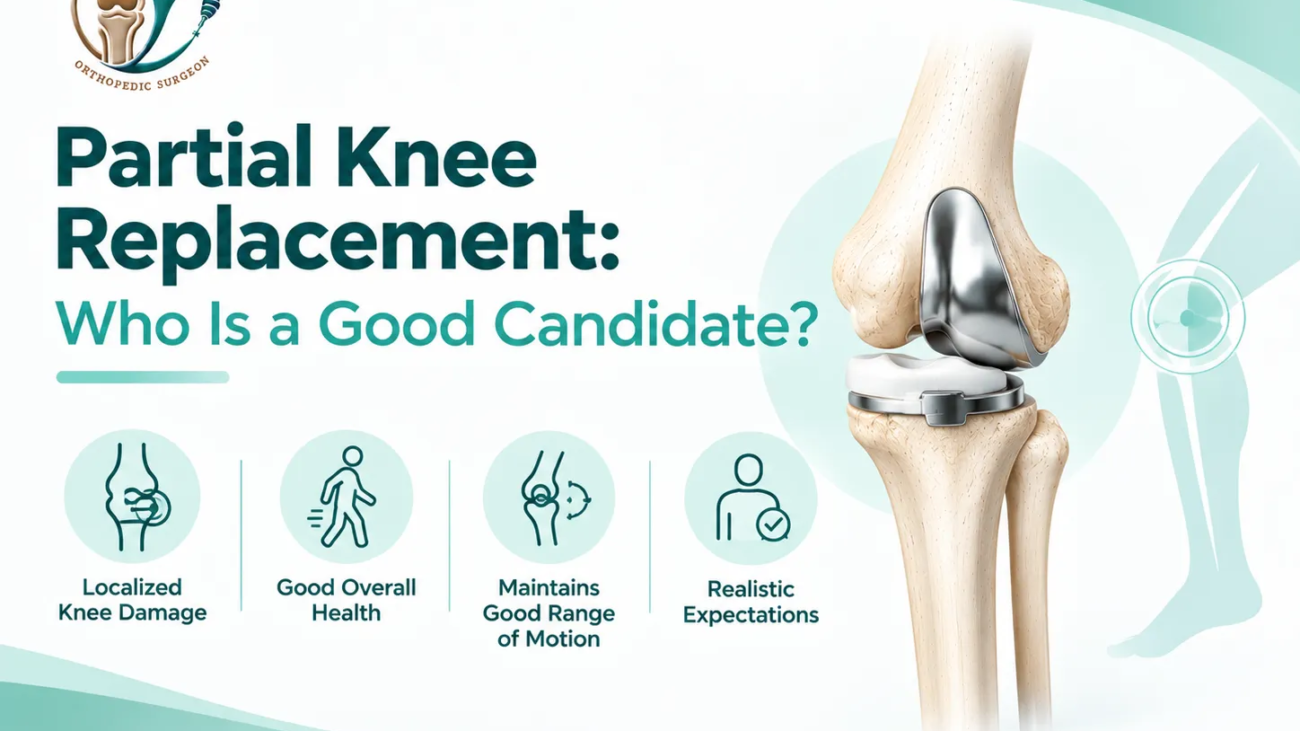
Partial Knee Replacement: Who Is a Good Candidate?

Chronic knee pain can significantly alter everyday living, work productivity, and recreational pursuits across Dubai. When conservative therapies fail to provide lasting relief, evaluating whether you qualify as a partial knee replacement candidate becomes an essential orthopaedic milestone.

Many active residents assume that surgical joint intervention always requires replacing the entire knee joint. However, advancing orthopaedic techniques allow surgeons to target isolated cartilage wear precisely. Establishing yourself as an optimal partial knee replacement candidate ensures that healthy bone, intact cartilage, and native ligaments remain safely preserved.

Determining who benefits most from partial joint resurfacing requires in-depth clinical analysis and precise diagnostic imaging. Consulting an experienced specialist helps verify if you meet the profile of a partial knee replacement candidate. At Dr. Muhieddine Hamie Clinic, patient assessments prioritise joint preservation, tissue-sparing accuracy, and long-term functional mobility.

Defining the Profile of a Partial Knee Replacement Candidate

A suitable partial knee replacement candidate typically experiences joint degeneration confined strictly to one anatomical zone of the knee. The human knee comprises three functional compartments: the inner medial side, the outer lateral side, and the anterior patellofemoral space beneath the kneecap.

When arthritis affects only one compartment, resurfacing the entire joint is often unnecessary. In these targeted cases, qualifying as a partial knee replacement candidate allows patients to experience smaller operative incisions, lower blood loss, and a far more biological joint sensation. The native cruciate ligaments remain untouched, ensuring that normal knee reflexes and proprioception stay intact.

A comprehensive clinical assessment confirms whether a patient represents a safe partial knee replacement candidate. Dr. Muhieddine Hamie evaluates dynamic joint stability, localized tenderness, and physical range of motion to ensure targeted resurfacing delivers lasting durability.

Anatomy and Mechanics of Medial Compartment Arthritis

The vast majority of unicompartmental surgical procedures address localized wear on the inside aspect of the knee joint. Developing isolated medial compartment arthritis is exceptionally common due to the natural weight-bearing alignment of the lower extremity. During regular walking strides, the medial compartment absorbs approximately 60% to 70% of total ground reaction forces.

As mechanical stress persists over years, the protective articular cartilage within the medial joint space gradually thins. Patients coping with progressive medial compartment arthritis notice aching localised exclusively along the inner joint line. Swelling, stiffness after periods of sitting, and discomfort when descending stairs frequently indicate focal wear.

Treating isolated medial compartment arthritis with unicompartmental resurfacing shields the remaining compartments from premature surgical alterations. When lateral and patellofemoral cartilage remains healthy, targeting only the diseased medial tissue optimizes post-operative biomechanics. Identifying focal wear early confirms whether you are an appropriate partial knee replacement candidate.

Essential Diagnostic Unicompartmental Knee Replacement Criteria

Orthopaedic surgeons follow rigorous, evidence-based guidelines to verify candidate suitability before recommending partial resurfacing. Reviewing standard unicompartmental knee replacement criteria ensures that the intervention remains successful over decades:

  • Compartmental isolation: Articular cartilage wear must remain strictly confined to a single compartment, verified by weight-bearing radiographs and MRI evaluation.
  • Intact ligamentous stability: The anterior cruciate ligament and posterior cruciate ligament must be fully functional to support the biomechanics of a unicompartmental implant.
  • Correctable axial alignment: Varus or valgus leg deformities must remain passively correctable and should not exceed mild structural angulation thresholds.
  • Preserved range of motion: Patients should demonstrate at least 90 degrees of knee flexion with minimal fixed flexion contracture prior to surgery.
  • Absence of inflammatory disease: Candidates must have degenerative osteoarthritis rather than systemic inflammatory arthritis such as rheumatoid or psoriatic disease.

Careful adherence to these unicompartmental knee replacement criteria minimizes early revision risks. Patients who satisfy these clinical parameters achieve superior functional satisfaction and rapid mobility restoration.

Clinical Comparison of Patient Candidacy Profiles

Determining whether you match a full or partial resurfacing profile requires analyzing structural imaging alongside clinical examinations. The comparative matrix below outlines key physiological markers across both patient categories.

Diagnostic ParameterIdeal Partial Knee Replacement CandidateTotal Knee Replacement Candidate
Arthritic DistributionIsolated single-compartment degenerationGeneralized multi-compartment arthritis
Ligament IntegrityFully competent ACL and collateral ligamentsAttenuated, absent, or deficient ACL
Pain LocalizationExclusively localized to the medial or lateral sideDiffuse, generalized pain encircling entire joint
Joint ContractureFlexion contracture less than 5 to 10 degreesSignificant fixed flexion deformity (>15 degrees)
Inflammatory ProfileNon-inflammatory primary or secondary osteoarthritisSystemic inflammatory arthritis (e.g., rheumatoid)
Patient ProprioceptionHighly preserved; retains native joint feelStable, predictable, artificial bearing mechanics

Evaluating these clinical metrics clarifies why a patient qualifies as a partial knee replacement candidate. Aligning surgical technique with anatomical reality guarantees the highest standard of musculoskeletal care.

Evaluating Am I a Candidate for Partial Knee Replacement

Patients experiencing chronic, isolated knee discomfort frequently ask am I a candidate for partial knee replacement during specialist consultations. Answering this question begins with a thorough diagnostic assessment, including standing long-leg alignment films and magnetic resonance imaging.

Imaging scans reveal whether cartilage depletion is truly isolated or whether micro-degeneration has begun in adjacent compartments. During your physical examination, the surgeon confirms that joint line pain matches radiographic findings. If you ask am I a candidate for partial knee replacement, testing also evaluates whether passive pressure can correct mild leg bowing back to neutral alignment.

Your daily activity goals and expectations also influence whether am I a candidate for partial knee replacement. Individuals who enjoy active walking, golf, swimming, or cycling thrive with partial resurfacing because the knee preserves natural kinematics. Dr. Muhieddine Hamie discusses functional goals openly to verify that unicompartmental resurfacing matches your personal lifestyle demands.

Contraindications for Partial Knee Replacement Surgery

While unicompartmental joint resurfacing provides clear functional benefits, it is not clinically indicated for every patient. Understanding clinical contraindications protects patients from undergoing an intervention that may experience premature mechanical wear:

  • Generalized inflammatory joint disease: Conditions like rheumatoid arthritis affect the entire synovial lining, inevitably causing disease progression in preserved compartments.
  • Severe fixed angular deformities: Severe, rigid bowing or knock-kneed alignment cannot be corrected with a unicompartmental prosthesis alone.
  • Cruciate ligament incompetence: A deficient anterior cruciate ligament causes excessive anteroposterior shear forces, leading to early implant loosening.
  • Bicompartmental cartilage loss: Active, symptomatic arthritis involving both the medial and lateral spaces requires complete joint resurfacing.

A detailed clinical evaluation verifies that each prospective partial knee replacement candidate does not exhibit these contraindications. Selecting candidates meticulously guarantees that the prosthesis remains durable, secure, and fully functional for years to come.

Rehabilitation Trajectories and Functional Milestones

One of the greatest advantages for any partial knee replacement candidate is an accelerated rehabilitation pathway. Because surgical trauma is confined to a single compartment, surrounding musculature sustains minimal disruption during the procedure.

Patients regularly inquire about their anticipated partial knee replacement recovery time when planning professional and social leave. Most individuals stand and take assisted steps within hours of surgery, achieving unassisted indoor walking within two to three weeks.

Structured physical therapy focuses on rebuilding quadriceps activation, expanding flexion beyond 120 degrees, and restoring symmetrical balance. Understanding how recovery timelines compare between total vs partial knee replacement highlights the rapid return to daily living offered by targeted unicompartmental care.

Dedicated rehabilitation transforms clinical success into lifelong joint health. Patients who satisfy unicompartmental criteria resume light sports, recreational walking, and community activities far faster than traditional surgical timelines allowed.

Advanced Surgical Technology at Dr. Muhieddine Hamie Clinic

Modern joint reconstruction has evolved dramatically through robotic navigation and patient-specific digital instrumentation. Sub-millimeter surgical accuracy ensures that unicompartmental implants are positioned to match your unique joint kinematics precisely.

Dr. Muhieddine Hamie utilizes advanced tissue-sparing techniques at his Dubai Healthcare City practice. Digital joint mapping verifies that implant components balance soft-tissue tension perfectly throughout the complete arc of motion. This precision protects surrounding cartilage and maximizes prosthetic longevity.

Residents across the UAE seeking world-class Knee joint replacement surgery in Dubai receive individualized care plans tailored to their specific musculoskeletal needs. Identifying yourself as a suitable partial knee replacement candidate ensures that treatment restores comfortable, natural joint movement without unnecessary surgical intervention.

Under the expert guidance of Dr. Muhieddine Hamie, surgical planning pairs diagnostic precision with advanced operative technology. Patients regain joint stability, eliminate chronic localized pain, and return to their dynamic lifestyles with complete confidence.

Reclaim Your Active Independence and Joint Comfort

Chronic knee discomfort should not restrict your vitality, personal independence, or active routine across Dubai. Evaluating whether you qualify as a partial knee replacement candidate provides the clinical clarity needed to pursue targeted joint restoration.

Dr. Muhieddine Hamie offers advanced diagnostic evaluations, conservative management pathways, and cutting-edge unicompartmental resurfacing. Take proactive steps to eliminate localized joint pain, preserve your healthy joint structures, and reclaim your dynamic mobility.

Schedule Your Comprehensive Orthopaedic Consultation

Connect directly with the clinical team at Dr. Muhieddine Hamie Clinic in Dubai to evaluate your knee health and determine if you meet the criteria for partial joint resurfacing.

Book your consultation today through our online booking system or contact our Al Jaddaf clinic directly.

Conclusion

Navigating unicompartmental joint reconstruction requires an expert clinical assessment, precise imaging, and an evidence-based approach to candidate selection. Resurfacing only the damaged compartment allows you to eliminate debilitating pain while retaining the biological feel of your native joint.

Adhering strictly to established clinical criteria ensures that your surgical outcome remains stable, comfortable, and durable. Modern robotic assistance and tissue-sparing methods allow patients to rebuild muscle strength and resume daily living with minimal downtime.

Partnering with a specialized orthopaedic surgeon provides peace of mind throughout every phase of joint restoration. Restoring fluid, pain-free joint function empowers you to enjoy Dubai’s vibrant professional, social, and recreational lifestyle without physical limitations.

Frequently Asked Questions

1.What makes an individual an ideal partial knee replacement candidate?

An ideal candidate has osteoarthritis confined strictly to one knee compartment, intact cruciate ligaments, good range of motion, and mild, correctable joint alignment without systemic inflammatory conditions.

2.How do I know if I am a candidate for partial knee replacement?

You may qualify if your joint pain is localized exclusively to the inside or outside of the knee, your ligaments are stable, and standing X-rays confirm cartilage remains healthy in the other two compartments.

3.What are the primary unicompartmental knee replacement criteria used by surgeons?

Key criteria include single-compartment arthritis, intact anterior and posterior cruciate ligaments, at least 90 degrees of pre-operative flexion, correctable alignment, and absence of inflammatory joint disease.

4.Can medial compartment arthritis be treated with a partial replacement?

Yes, medial compartment wear is the most common reason for partial knee replacement. Resurfacing only the worn inner compartment relieves pain while preserving healthy lateral and patellofemoral cartilage.

5.How does recovery differ for a partial knee replacement candidate?

Because the incision is smaller and healthy tissue is spared, recovery is typically faster. Most patients resume unassisted walking within 2 to 3 weeks and achieve full functional recovery in 6 to 10 weeks.

6.Can a partial knee replacement be converted to a total knee replacement later?

Yes, if arthritis eventually develops in the preserved compartments years or decades later, the unicompartmental implant can be cleanly revised to a standard total knee replacement.

Robotic vs Traditional Knee Replacement in Dubai

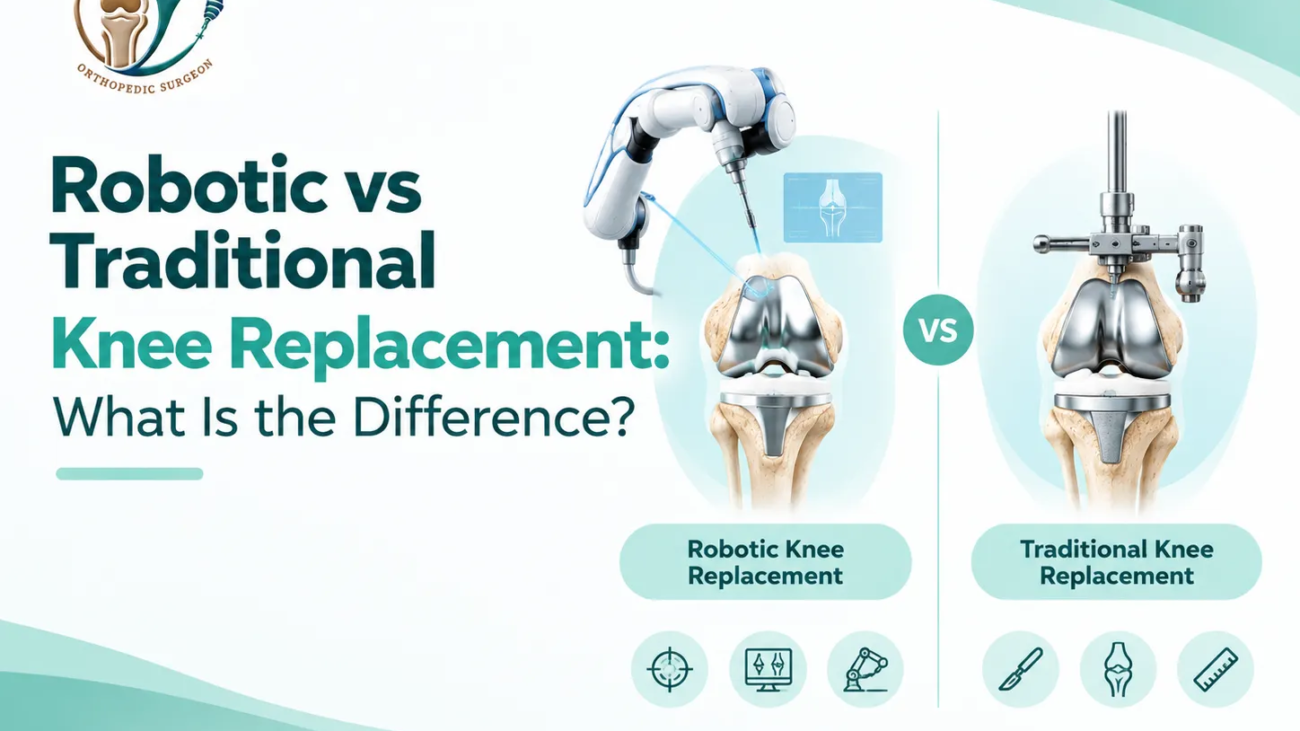
Robotic vs Traditional Knee Replacement: What Is the Difference?

Undergoing joint resurfacing represents a critical decision for individuals suffering from chronic, end-stage arthritis. Evaluating robotic vs traditional knee replacement allows prospective patients to make well-informed choices regarding surgical accuracy and rehabilitation.

Dubai has become a premier global destination for advanced orthopaedic technology and modern joint reconstruction. While conventional techniques have relieved joint pain for decades, comparing robotic vs traditional knee replacement highlights remarkable technological innovations. Modern robotic systems provide real-time anatomical feedback, optimizing implant longevity and postoperative comfort.

Deciding between these surgical techniques requires a detailed understanding of joint kinematics and surgical instrumentation. Reviewing robotic vs traditional knee replacement options ensures that you select an approach matched to your anatomy. At Dr. Muhieddine Hamie Clinic, patient assessments focus on precision, tissue conservation, and swift functional mobility.

Defining the Surgical Principles of Robotic vs Traditional Knee Replacement

The primary objective of joint arthroplasty is excising degraded cartilage and resurfacing bone surfaces with biocompatible prosthetics. In a conventional procedure, the orthopaedic surgeon relies on physical cutting blocks, mechanical alignment rods, and visual tactile assessment. While experienced surgeons achieve dependable outcomes manually, comparing robotic vs traditional knee replacement demonstrates how computer-guided systems minimize alignment variations.

Robotic-assisted surgery integrates high-resolution pre-operative or intra-operative digital imaging with robotic arm guidance. The surgeon remains in total control throughout the procedure, using the robotic platform to execute bone preparation within sub-millimeter tolerances. When assessing robotic vs traditional knee replacement, robotic assistance acts as a high-precision navigational guide that prevents accidental deviations from the digital plan.

Evaluating robotic vs traditional knee replacement reveals that digital workflows transform subjective estimates into reproducible, measurable operative results. Balancing joint tension throughout the full range of motion helps patients regain a natural-feeling knee joint.

Technical Comparison Between Robotic vs Manual Knee Replacement

A rigorous technical evaluation of robotic vs manual knee replacement reveals contrasting operative workflows:

  • Surgical planning: Conventional surgery relies on standard two-dimensional radiographs, whereas robotic protocols generate dynamic virtual models of your unique joint structure.
  • Bone resection: A manual approach utilizes rigid mechanical cutting jigs positioned by eye, while robotic navigation uses computer-guided boundaries to prevent excess bone loss.
  • Soft-tissue protection: In robotic vs manual knee replacement, robotic arms feature active haptic boundaries that automatically restrict the saw blade from damaging surrounding collateral ligaments.
  • Component balance: Manual alignment checks tension primarily at static angles, whereas robotic software tracks ligament tightness dynamically through active flexion and extension arcs.

These differences highlight why robotic vs manual knee replacement has transformed modern joint care. Enhanced precision ensures optimal implant seating while protecting vital soft-tissue envelopes.

Comprehensive Surgical and Kinematic Comparison

Selecting the right surgical option requires balancing clinical capabilities with expected functional outcomes. The comparative matrix below outlines the primary parameters across both surgical modalities.

Operative MetricRobotic-Assisted Knee ReplacementConventional Manual Knee Replacement
Surgical PrecisionSub-millimeter (<0.5 mm) and sub-degree (<0.5°) accuracyRelies on manual cutting blocks and surgical eye
Pre-Operative Modeling3D computed mapping or dynamic intra-operative registrationStandard two-dimensional weight-bearing radiographs
Soft-Tissue TraumaMinimally invasive; active haptic boundary protectionRequires broader retraction for mechanical jigs
Implant PositioningCustomised to patient-specific dynamic kinematicsBased on generalised anatomical alignment axes
Post-Operative SwellingLower acute inflammatory effusion and bruisingModerate early tissue swelling and muscular soreness
Hospital Stay LengthRapid discharge (same-day or single overnight stay)Typically 2 to 3 days of inpatient observation

This structured comparison illustrates how robotic vs traditional knee replacement differs in planning and precision. Integrating real-time digital feedback allows for customized surgical interventions.

Key Benefits of Robotic Knee Replacement Surgery

Understanding the clinical benefits of robotic knee replacement surgery provides peace of mind for prospective surgical candidates. The primary advantage is creating an individualized operative strategy tailored to your exact joint anatomy.

By analysing your native joint line, the robotic system allows Dr. Muhieddine Hamie to position implants along your natural mechanical axis. This personalization avoids the unnatural stiffness sometimes experienced when joints are aligned to generic population averages. Experiencing the benefits of robotic knee replacement surgery leads to higher patient satisfaction and a more natural gait.

Another of the foundational benefits of robotic knee replacement surgery is the preservation of healthy bone stock and periarticular soft tissue. Haptic guidance restricts surgical instruments to predefined safe cutting zones. Protecting the quadriceps tendon, collateral ligaments, and neurovascular bundles reduces surgical trauma and post-operative discomfort.

Minimizing soft-tissue irritation represents one of the major benefits of robotic knee replacement surgery. Patients experience lower post-operative swelling, reducing the need for heavy oral analgesics during early rehabilitation.

Functional Advantages of Robotic Knee Replacement

Active patients who evaluate the functional advantages of robotic knee replacement often prioritize rapid functional recovery. Because surgical incisions and tissue retraction remain minimal, early postoperative rehabilitation begins comfortably.

Many individuals experience the advantages of robotic knee replacement within hours of leaving the operating theater. Patients routinely begin assisted walking on the day of surgery, which promotes blood circulation and reduces deep vein thrombosis risks. Accelerated quadriceps activation prevents muscular atrophy, allowing patients to regain balance and walking confidence quickly.

Furthermore, long-term functional advantages of robotic knee replacement relate directly to component durability. Even microscopic misalignments in joint implants can cause uneven polyethylene wear over time. By placing implants with sub-millimeter precision, robotic technology balances joint loads, helping protect implants from premature mechanical loosening.

Reviewing these functional advantages of robotic knee replacement demonstrates how operative accuracy supports lifelong mobility. Restoring optimal joint mechanics allows patients to resume golf, swimming, cycling, and travel without hesitation.

Candidate Selection for Robotic vs Traditional Knee Replacement

Determining candidacy for robotic vs traditional knee replacement involves a thorough clinical assessment, physical examination, and radiographic imaging. Patients presenting with severe bone-on-bone osteoarthritis, failed conservative management, or post-traumatic joint degeneration qualify for both techniques.

However, choosing robotic vs traditional knee replacement is especially advantageous for patients with complex anatomical challenges:

  • Post-traumatic deformities: Patients with previous fractures or retained metal hardware benefit from robotic mapping that bypasses intra-medullary alignment rods.
  • Severe angular bowing: Rigid varus or valgus leg deformities require robotic tracking to re-establish symmetrical soft-tissue balance safely.
  • Partial joint degeneration: Patients with unicompartmental wear benefit from robotic resurfacing that preserves healthy compartments and both cruciate ligaments.
  • Active functional demands: Individuals leading athletic or physically demanding lifestyles gain added protection through millimeter-precise implant alignment.

Consulting with Dr. Muhieddine Hamie clarifies whether robotic vs traditional knee replacement best addresses your clinical condition and activity goals.

Recovery Expectations and Rehabilitation Trajectories

Post-operative healing trajectories vary depending on surgical invasiveness, pre-operative health, and rehabilitation adherence. Understanding your anticipated robotic knee replacement recovery time helps establish realistic milestones for personal independence, driving, and returning to professional commitments.

Because robotic surgery spares periarticular tissue, early rehabilitation milestones are achieved more smoothly. Patients comfortably bend their knees beyond 90 degrees within the first week, progressing to independent outdoor walking within three to four weeks.

Comparing systems like mako vs rosa vs velys shows that regardless of the specific robotic platform used, the primary objective remains surgical accuracy and tissue preservation. Dr. Muhieddine Hamie integrates digital precision with structured physical therapy, guiding patients from early protected ambulation to dynamic cardiovascular conditioning.

Choosing specialised robotic knee surgery in Dubai gives patients direct access to fellowship-trained orthopaedic expertise. Modern operative care reduces hospital stays, controls surgical discomfort, and accelerates functional recovery.

Advanced Robotic Technology at Dr. Muhieddine Hamie Clinic

State-of-the-art robotic systems do not replace the skill of an orthopaedic surgeon; they enhance surgical precision. Dr. Muhieddine Hamie maintains complete control throughout every phase of the procedure, utilizing robotic intelligence to confirm operative plans before bone preparation begins.

At his Dubai Healthcare City Phase 2 clinic, Dr. Hamie combines international orthopaedic fellowship training with advanced digital surgical platforms. Digital mapping ensures that implants replicate your natural joint kinematics, providing a knee joint that feels stable, comfortable, and responsive.

Timely assessment of joint degradation prevents progressive bone loss and joint contractures. Through customized surgical planning and tissue-preserving techniques, Dr. Muhieddine Hamie delivers world-class joint care designed to restore active living across the UAE.

Evaluating robotic vs traditional knee replacement empowers you to choose an intervention that supports long-term joint health, stability, and enduring comfort.

Reclaim Your Active Independence and Joint Comfort Today

Severe knee arthritis should not limit your daily vitality, career productivity, or active lifestyle across Dubai. Understanding the clinical distinctions of robotic vs traditional knee replacement provides the clarity needed to pursue definitive joint restoration.

Dr. Muhieddine Hamie offers advanced diagnostic evaluations, customized 3D surgical planning, and cutting-edge robotic joint resurfacing. Take decisive action to eliminate chronic joint pain, protect your soft tissues, and regain your active physical independence.

Schedule Your Comprehensive Orthopaedic Consultation

Connect directly with the clinical team at Dr. Muhieddine Hamie Clinic in Dubai to evaluate your knee condition and determine whether robotic-assisted joint replacement is right for you.

Book your consultation today through our online appointment system or contact our Al Jaddaf clinic directly.

Restoring Joint Mechanics and Long-Term Quality of Life

Navigating robotic vs traditional knee replacement requires expert diagnostic guidance, high-resolution imaging, and a personalized approach to joint biomechanics. While traditional surgery remains a reliable procedure, robotic assistance provides sub-millimeter accuracy and enhanced soft-tissue preservation.

Investing in robotic precision helps prevent alignment errors, minimizes post-operative inflammation, and supports swift community reintegration. Dedicated post-operative rehabilitation transforms precise surgical alignment into lasting joint durability.

Partnering with an experienced orthopaedic specialist ensures your surgical journey leads to pain-free mobility. Restoring smooth, natural joint function allows you to enjoy Dubai’s vibrant professional, social, and recreational lifestyle without physical boundaries.

Frequently Asked Questions

What is the primary difference in robotic vs traditional knee replacement?

Traditional replacement relies on manual cutting guides and visual alignment. Robotic replacement uses 3D digital planning and real-time robotic guidance to position implants within sub-millimeter precision while protecting soft tissues.

Does a robot perform the surgery independently?

No, the robot never operates independently. The orthopaedic surgeon performs every step of the procedure, using the robotic arm as a high-precision instrument that adheres strictly to the surgeon’s customized digital plan.

What are the main benefits of robotic knee replacement surgery?

Key benefits include personalized 3D surgical planning, sub-millimeter component placement, reduced trauma to healthy soft tissues, less postoperative swelling, and a more natural-feeling knee joint during movement.

How do the advantages of robotic knee replacement affect recovery?

Because robotic systems minimize soft-tissue retraction and spare healthy bone, patients experience lower acute pain and reduced swelling, allowing for earlier ambulation and faster functional rehabilitation.

Is robotic vs manual knee replacement more durable over time?

Robotic assistance ensures precise mechanical alignment, which distributes weight evenly across the implant. This balanced loading helps minimize uneven polyethylene wear and supports long-term implant survivorship.

Am I an appropriate candidate for robotic knee replacement?

Patients with severe osteoarthritis, unicompartmental wear, post-traumatic arthritis, or significant joint deformities who have not responded to conservative treatments are generally eligible candidates for robotic knee resurfacing.

Cemented vs Cementless Knee Replacement in Dubai

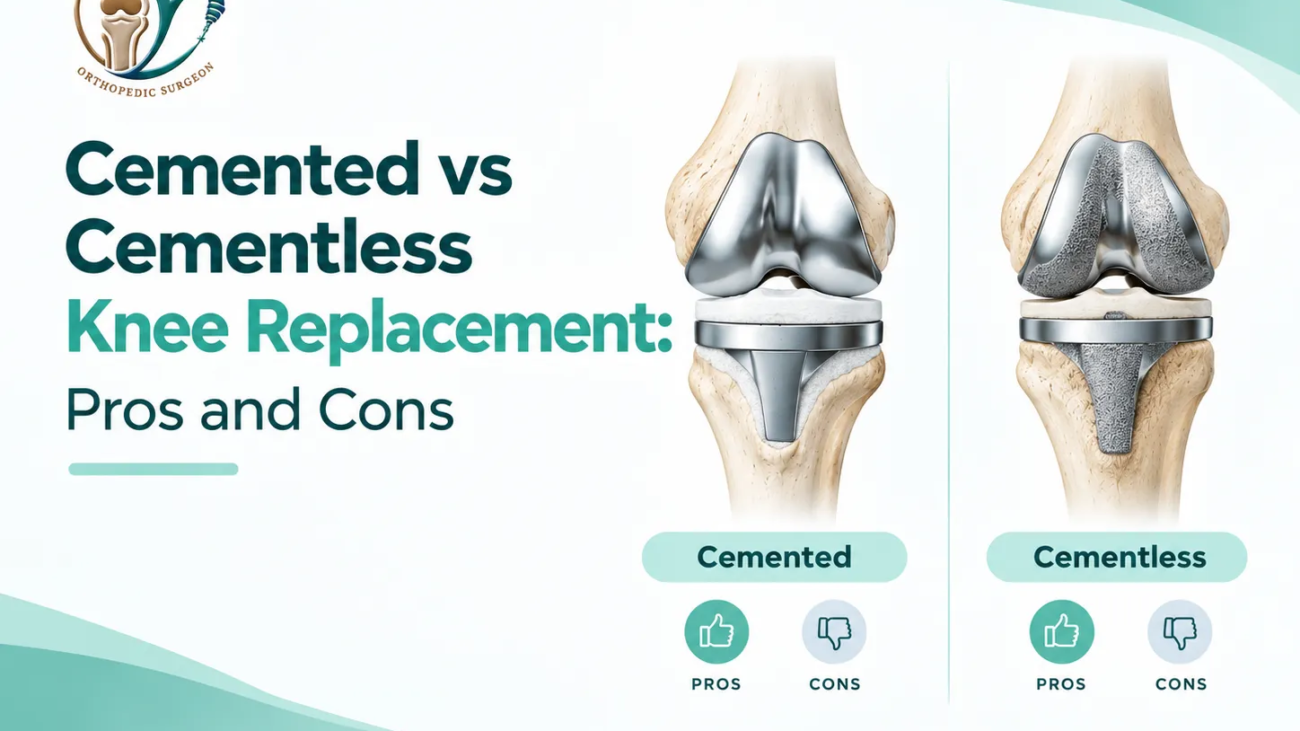
Cemented vs Cementless Knee Replacement: Pros and Cons

Navigating joint resurfacing requires a detailed understanding of how prosthetic components anchor to your natural skeleton. Evaluating cemented vs cementless knee replacement allows prospective surgical candidates to make informed, evidence-based decisions regarding long-term joint stability.

Many active residents across Dubai wonder whether contemporary press-fit implants outperform traditional fixation techniques. When analysing cemented vs cementless knee replacement, orthopaedic specialists examine bone mineral density, age, and individual activity goals. Understanding the biological and mechanical nuances of cemented vs cementless knee replacement ensures you select an approach matched to your lifestyle.

Fixation technology directly influences component longevity and everyday functional performance. Discussing cemented vs cementless knee replacement options with an experienced specialist provides reassurance throughout your surgical journey. At Dr. Hamie Clinic, patient assessments prioritise bone preservation, sub-millimeter surgical precision, and lasting mobility restoration.

Defining the Fixation Principles of Cemented vs Cementless Knee Replacement

The primary objective of knee resurfacing is seating durable prosthetic components firmly against the host bone. Comparing cemented vs cementless knee replacement highlights two distinct bio-mechanical methods for achieving structural stability.

In a conventional approach, fast-curing polymethyl methacrylate acts as an anatomical grout between metal surfaces and cancellous bone. Conversely, studying cemented vs cementless knee replacement reveals that press-fit designs eliminate synthetic adhesives entirely. The back of the implant features a highly porous metallic surface that encourages living bone to interlock directly with the component.

Both approaches achieve rigid mechanical stability before the patient leaves the operating suite. Deciding between cemented vs cementless knee replacement comes down to the patient’s underlying bone biology rather than a simple choice between older and newer technology.

Detailed Overview of Cement Knee Replacement Mechanics

Known across the medical world as the historical gold standard, a cement knee replacement provides dependable, immediate mechanical interlock. Medical bone cement flows into tiny trabecular spaces within minutes, forming a rigid cushion that absorbs weight-bearing forces.

A notable advantage of a cement knee replacement is its reliability in bone of variable quality. Patients presenting with osteopenia, osteoporosis, or structural defects benefit from the filling properties of bone cement. The cured mantle provides uniform support, distributing contact stress evenly across the joint.

Surgeons can also incorporate specialized heat-stable antibiotics directly into the liquid polymer of a cement knee replacement. This local antimicrobial delivery helps protect surrounding tissues against bacterial colonization during initial healing. Decades of international registry data confirm that this fixation method delivers reliable survivorship across diverse patient groups.

However, bone cement remains a non-living, manufactured material. Over several decades of repetitive physical loading, microscopic cement fragmentation or debonding can occasionally occur, making regular clinical follow-up important.

Biological Integration in Modern Cementless Knee Replacement

Advancements in additive manufacturing have led to the increasing adoption of cementless knee replacement systems across modern orthopaedic centres. Often referred to clinically as press-fit arthroplasty, this approach relies on biological osseointegration.

The osseous surface of a cementless knee replacement component features highly porous titanium or tantalum structures resembling natural trabecular bone. During surgery, components are pressed tightly into meticulously prepared bone corridors. Over the subsequent six to twelve weeks, new osteoblasts migrate into the microscopic pores, locking the prosthesis in place biologically.

A successful cementless knee replacement achieves living, lifelong biological fixation. Because there is no synthetic cement layer to fatigue over time, the bone-implant interface remains adaptable. This biological stability makes press-fit components appealing for younger, active individuals in Dubai seeking high-demand mobility.

Nonetheless, biological integration requires healthy bone stock capable of cellular regeneration. In compromised or brittle bone, an uncemented knee replacement carries higher risks of early micro-motion, which can impede bone ingrowth and cause post-operative aching.

Clinical Comparison of Fixation Methods

Choosing the optimal surgical pathway requires weighing mechanical benefits against physiological suitability. The comparative framework below outlines primary differences across both fixation categories.

Clinical ParameterCemented Fixation ProfileCementless (Press-Fit) Profile
Fixation MechanismPolymethyl methacrylate bone grout interlockBiological osseointegration into porous metal
Initial StabilityImmediate, rigid structural hold upon curingHigh friction press-fit; progressive ingrowth
Operating Room TimeSlightly longer (requires cement curing window)Modestly shorter (no cement mixing or curing)
Optimal Bone QualityAdaptable to all bone grades, including osteoporosisRequires robust cortical density and bone healing
Local Antibiotic OptionAntibiotics can be blended into liquid cementNo antibiotic delivery within the metal interface
Long-Term InterfaceDurable synthetic interface with rare late fatigueLiving biological bond with ongoing bone remodelling

Analysing these distinctions clarifies how your specific bone density guides surgical planning. Matching the fixation strategy to individual anatomy ensures a secure, predictable outcome.

Evaluating the Pros and Cons of Both Fixation Methods

Understanding the clinical trade-offs of both techniques helps patients establish realistic functional expectations. Orthopaedic surgeons evaluate specific advantages and limitations when recommending an approach:

  • Immediate structural load: A cemented implant achieves maximum strength within fifteen minutes, making it suitable for patients needing predictable immediate weight-bearing.
  • Biological bone preservation: An uncemented knee replacement preserves native bone stock by avoiding cement pressurization, which simplifies future modular revisions if needed.
  • Operating efficiency: Press-fit components shorten overall surgical duration slightly by eliminating cement preparation, pressurized injection, and curing wait times.
  • Sensitivity considerations: Skipping synthetic polymers eliminates the rare possibility of hypersensitivity or systemic cardiopulmonary reactions associated with monomer pressurization.

Weighing these points ensures that the chosen approach matches your physical conditioning. Balancing pros and cons thoroughly provides reassurance throughout the surgical journey.

Clinical Candidacy Across Cemented vs Cementless Knee Replacement

Determining candidacy for cemented vs cementless knee replacement involves pre-operative diagnostic imaging and intra-operative tactile assessment. High-resolution computed tomography scans and dual-energy X-ray absorptiometry evaluate bone mineral density and cortical thickness.

Surgeons frequently recommend a cementless knee replacement for active patients under sixty-five years of age with strong bone density. In these individuals, active cellular remodeling supports rapid, dense bone ingrowth into porous metal surfaces.

Conversely, older adults—particularly post-menopausal women with reduced bone density—frequently experience superior outcomes with a cemented procedure. In softer bone, cement distributes mechanical loads broadly, avoiding localized micro-fractures.

The surgeon’s tactile assessment during surgery remains the final deciding factor in cemented vs cementless knee replacement selection. If the prepared bone feels soft during preparation, switching to cement ensures reliable mechanical stability.

Hybrid Arthroplasty as an Intermediate Solution

In certain complex cases, orthopaedic surgeons utilize a hybrid fixation technique to leverage the advantages of both approaches. A hybrid procedure typically features an uncemented knee replacement femoral shield paired with a cemented tibial tray.

The distal femur possesses an anatomical shape and dense cancellous architecture that naturally supports reliable press-fit bone ingrowth. Conversely, the proximal tibia absorbs significant rotational and vertical shear forces, where cement provides dependable baseline stability.

Utilizing hybrid fixation provides a balanced solution when bone quality varies between the femur and tibia. This flexible approach allows the surgical team to tailor fixation to the specific mechanical demands of each joint compartment.

Reviewing these surgical variations clarifies why cemented vs cementless knee replacement is an individualized decision. Personalizing the fixation strategy ensures that your artificial joint remains stable and comfortable.

Rehabilitation Benchmarks and Functional Durability

Post-operative rehabilitation follows a structured path regardless of the chosen fixation method. Understanding your anticipated knee replacement recovery time helps set practical milestones for walking independence, driving, and returning to professional commitments. Modern tissue-sparing approaches allow both cemented and press-fit patients to begin supported walking on the day of surgery.

Exploring broader types of knee replacement helps candidates understand how partial or total joint resurfacing influences recovery schedules. Comparing total vs partial knee replacement shows that bone-preserving partial procedures frequently integrate well with press-fit technologies when bone stock is strong.

Understanding clinical registry data regarding knee replacement longevity provides confidence for the future. Well-aligned implants—whether secured with cement or living bone ingrowth—regularly achieve survivorship rates beyond twenty to twenty-five years.

Patients seeking specialized knee surgery in Dubai receive individualized care from fellowship-trained orthopaedic specialists. Dr. Muhieddine Hamie utilizes advanced digital templating and tissue-sparing techniques to deliver predictable joint restoration.

Advanced Surgical Technology at Dr. Hamie Clinic

Achieving dependable implant fixation relies on surgical precision. At Dr. Hamie Clinic in Dubai Healthcare City Phase 2, Dr. Muhieddine Hamie incorporates cutting-edge robotic navigation and dynamic digital imaging into operative planning.

Robotic guidance ensures that bone resections match component dimensions within sub-millimeter tolerances. In press-fit procedures, this level of precision is essential to create the tight bone-to-implant contact required for cellular ingrowth. In cemented procedures, accurate bone cuts establish a uniform cement mantle that protects against late mechanical loosening.

Dr. Hamie conducts thorough clinical consultations to evaluate your bone quality and lifestyle goals. By tailoring every surgical detail to the patient’s individual anatomy, the clinic delivers joint restoration designed to support active, pain-free living across the UAE.

Reclaim Your Active Independence and Joint Comfort Today

Living with debilitating joint osteoarthritis should not restrict your personal vitality, professional career, or active lifestyle across Dubai. Evaluating cemented vs cementless knee replacement provides the knowledge needed to pursue joint restoration with total confidence.

Dr. Muhieddine Hamie provides comprehensive diagnostic evaluations, bone quality assessments, and advanced robotic joint resurfacing at Dr. Hamie Clinic. Take decisive action to eliminate chronic knee pain, safeguard your bone health, and enjoy decades of comfortable mobility.

Schedule Your Comprehensive Orthopaedic Consultation

Connect directly with the clinical team at Dr. Hamie Clinic in Dubai to evaluate your joint health and discover whether cemented or press-fit fixation suits your anatomy best.

Book your private consultation today through our online appointment system or contact our Al Jaddaf clinic directly.

Conclusion

Navigating modern joint reconstruction requires specialist diagnostic guidance, accurate bone density assessment, and tailored surgical execution. Both cemented and press-fit fixation strategies deliver excellent outcomes when matched to appropriate patient indications.

Understanding the clinical nuances of cemented vs cementless knee replacement ensures that your surgical plan accounts for subtle anatomical variations, age, and activity goals. Meticulous surgical technique ensures balanced weight-bearing forces, protecting components from premature loosening.

Partnering with an experienced orthopaedic specialist ensures your surgical journey delivers lasting comfort and mobility. Restoring smooth, natural joint function empowers you to enjoy Dubai’s vibrant professional, social, and recreational lifestyle without physical boundaries.

Frequently Asked Questions

1.What is the main difference between cemented vs cementless knee replacement?

Cemented replacement secures implants using rapid-curing polymethyl methacrylate bone grout. Cementless fixation utilizes a porous metal surface that allows natural bone to grow directly into the implant over several weeks.

2.Which patients are suitable candidates for cementless knee replacement?

Younger, active patients under 65 with robust bone mineral density, healthy cortical bone, and good regenerative capacity are typically the best candidates for press-fit biological fixation.

3.Why is a cement knee replacement still considered the gold standard?

Cemented fixation has decades of proven clinical registry data demonstrating over 90% survival past 15 to 20 years. It provides dependable immediate fixation across all bone types, including osteoporotic bone.

4.Does recovery take longer with an uncemented knee replacement?

Initial recovery and walking milestones are comparable, with patients walking on day one. However, cementless implants require 6 to 12 weeks for biological bone ingrowth to mature fully into the porous surface.

5.Can bone cement cause allergic reactions or complications?

True bone cement allergies are rare. Modern surgical techniques utilize vacuum-mixing and careful pressurization to minimize systemic reactions and establish a clean, durable cement mantle.

6.How does a surgeon decide between cemented and press-fit fixation during surgery?

While preoperative scans evaluate bone density, the surgeon assesses bone firmness directly during operative preparation. If the bone feels soft, cemented fixation is selected to ensure reliable stability.

Knee Replacement Lifespan

How Long Does a Knee Replacement Last?

Undergoing total or partial knee arthroplasty represents a life-enhancing milestone for individuals suffering from chronic, debilitating arthritis. Patients considering operative care routinely ask how long does a knee replacement last before scheduling surgical treatment.

Active residents across Dubai often worry that an artificial joint might wear down quickly, requiring premature revision surgery. Modern clinical research shows that asking how long does a knee replacement last reveals exceptionally reassuring statistics. Contemporary implant biomaterials, precise robotic alignment tools, and refined surgical techniques have significantly extended overall implant survivorship.

Gaining clarity on how long does a knee replacement last helps candidates make confident, proactive choices about joint restoration. Knowing the expected durability of prosthetic components removes hesitation, allowing you to prioritize pain-free living. Under the clinical care of Dr. Muhieddine Hamie, personalized surgical approaches ensure your artificial joint provides dependable, long-term performance.

Clinical Facts Regarding How Long Does a Knee Replacement Last

Longitudinal orthopaedic registries provide valuable real-world evidence when evaluating how long does a knee replacement last. Large-scale medical cohort studies show that roughly 90% to 95% of contemporary joint replacements function smoothly beyond fifteen years. Furthermore, upwards of 82% of total knee implants continue performing reliably at the twenty-five-year mark.

The fundamental metric when analysing how long does a knee replacement last is prosthetic wear rate. In modern joint designs, highly cross-linked polyethylene inserts articulate smoothly against polished cobalt-chromium or ceramic-coated femoral components. This biocompatible interface dramatically decreases micro-wear particles, which prevents bone reabsorption and component loosening.

Understanding how long does a knee replacement last also requires considering the structural stability of the underlying bone. When implants integrate securely with host bone, mechanical loosening becomes rare. Exploring how long does a knee replacement last confirms that modern implants are built to support decades of daily movement.

Primary Determinants of Knee Replacement Lifespan

An individual’s personal knee replacement lifespan is shaped by a combination of anatomical, surgical, and lifestyle parameters:

  • Surgical precision: Millimeter-accurate component placement balances joint loading, directly extending the overall knee replacement lifespan.
  • Body weight and joint loading: Higher mechanical body mass multiplies contact forces across the bearing surface, potentially accelerating plastic insert wear over time.
  • Patient activity profile: Engaging in low-impact conditioning preserves joint stability, whereas repetitive high-impact loading can shorten the expected knee replacement lifespan.
  • Pre-existing bone quality: Adequate bone mineral density provides a solid foundational anchor, minimizing the risk of aseptic loosening around the tibial tray.

Optimizing these factors through dedicated lifestyle management significantly prolongs your knee replacement lifespan. Partnering with an experienced orthopaedic specialist ensures each variable is managed effectively.

Long-Term Clinical Studies on the Success of Knee Replacement

Evaluating the overall success of knee replacement requires examining both implant survival data and subjective patient outcomes. Orthopaedic surgeons assess success through pain relief, regained range of motion, and restoration of independent daily walking.

Clinical outcome metrics highlight the undeniable success of knee replacement in reversing disability. Greater than 85% of surgical recipients report complete satisfaction with their mobility, freedom from resting pain, and return to recreational hobbies. Modern knee designs reproduce natural joint kinematics, providing a more biological feel during walking and bending.

Furthermore, tracking the long-term success of knee replacement demonstrates low complication rates in specialized centres. Advances in antimicrobial prophylaxis, computerized surgical navigation, and refined recovery pathways have made joint reconstruction one of the most reliable procedures in medicine.

Real-World Timeline of Knee Replacement Longevity

Observing joint performance across distinct postoperative phases provides realistic expectations regarding functional durability. The table below outlines survivorship rates and functional milestones throughout your joint restoration journey.

Postoperative WindowAnticipated Implant SurvivorshipFunctional Milestone FocusPrimary Clinical Priority
0 to 5 YearsGreater than 98% survivalFull restoration of daily activities; normal gaitSoft-tissue balancing and quadriceps strengthening
5 to 10 YearsApproximately 95% to 97% survivalUnrestricted low-impact sports, swimming, and golfMaintaining healthy weight and joint alignment
10 to 15 YearsApproximately 90% to 95% survivalSustained pain relief; stable community mobilityMonitoring routine biennial radiographic check-ups
15 to 20 YearsApproximately 85% to 90% survivalPreserved joint range; minimal wear progressionAssessing bone-implant interface and polyethylene wear
20 to 25+ YearsGreater than 80% to 82% survivalContinued everyday functional independenceEvaluating late-stage modular revision if necessary

Tracking these intervals demonstrates why knee replacement longevity remains exceptionally high in contemporary orthopaedics. Regular radiographic monitoring ensures subtle bearing wear is identified before structural bone loss develops.

Clinical Strategies to Maximize Knee Replacement Longevity

Achieving maximal knee replacement longevity requires active collaboration between the patient and surgical team. Establishing joint stability early and protecting the prosthetic bearing surface from excessive shear forces prolongs component life.

Maintaining consistent muscle tone around the knee joint plays a critical role in supporting knee replacement longevity. Strong quadriceps, hamstrings, and hip abductors absorb dynamic impact forces, preventing unnecessary mechanical stress from transferring directly to the artificial implant. Routine physical activities like swimming, stationary cycling, and brisk walking are ideal for maintaining joint health.

Conversely, participating in repetitive, high-impact activities—such as marathon running or heavy plyometrics—can compromise knee replacement longevity. While modern implants tolerate significant loading, excessive force increases the risk of component wear. Striking a healthy balance between regular exercise and sensible joint protection keeps your implant functioning smoothly for decades.

Reviewing your long-term goals clarifies how long does a knee replacement last in practical terms. Dedicated joint care allows you to remain active across Dubai without joint discomfort.

Advanced Surgical Technologies Extending Joint Durability

Surgical methodology directly influences how long does a knee replacement last. Historically, orthopaedic surgeons relied exclusively on mechanical cutting blocks and manual visual alignment. While traditional methods achieved solid results, subtle component malalignment could lead to uneven load distribution and premature wear.

Today, advanced robotic navigation systems analyze patient-specific kinematics in real time. Placing components within fractions of a millimeter ensures that mechanical forces are distributed evenly across the joint. Understanding how long does a knee replacement last highlights the value of robotic precision in extending implant longevity.

Robotic systems also protect the surrounding soft-tissue envelope, preventing unnatural collateral ligament laxity. Stable soft tissues maintain natural knee kinematics, preventing abnormal mechanical stresses from compromising the artificial joint.

Investigating how long does a knee replacement last demonstrates how digital precision protects against early implant loosening. Dr. Muhieddine Hamie utilizes advanced robotic platforms to deliver accurate component seating for every patient.

Recovery Milestones and Operative Preparation

Achieving exceptional implant durability begins well before stepping into the operating theater. Understanding your anticipated knee replacement recovery time provides the framework needed to set realistic physical milestones. Patients who commit to guided rehabilitation achieve faster muscular stability, protecting the healing joint.

A smooth recovery is built upon comprehensive knee replacement surgery preparation, including pre-operative physical conditioning, optimizing blood sugar levels, and organizing safe domestic living arrangements. Building baseline quadriceps strength before surgery shortens post-operative adaptation periods.

Knowing when to get a knee replacement is equally critical. Delaying surgery until severe joint deformity or extreme bone loss occurs complicates soft-tissue balancing. Addressing joint degeneration promptly preserves native bone stock, which directly reinforces how long does a knee replacement last.

Selecting specialized Knee Replacement Surgery in Dubai provides direct access to fellowship-trained orthopaedic surgical care. Dr. Muhieddine Hamie combines international clinical expertise with tissue-sparing techniques to deliver reliable joint restoration.

Modern Joint Restoration at Dr. Muhieddine Hamie Clinic

Prosthetic durability relies on combining high-grade biomaterials with surgical expertise. Dr. Muhieddine Hamie utilizes advanced digital templating and minimally invasive techniques to achieve optimal implant alignment at his Dubai Healthcare City clinic.

Every surgical procedure is tailored to the patient’s individual anatomical profile. By respecting natural joint kinematics, Dr. Hamie avoids placing implants in generic, unnatural positions. This precision minimizes soft-tissue tension, controls postoperative inflammation, and supports lasting joint durability.

Thorough clinical consultations give patients clear insights into how long does a knee replacement last based on their individual health and activity level. Dedicated post-operative follow-up ensures that your artificial joint continues functioning smoothly for decades.

Reclaim Your Pain-Free Mobility and Vitality Today

Enduring chronic knee arthritis should not compromise your personal vitality, professional career, or active lifestyle across Dubai. Learning how long does a knee replacement last provides the clarity needed to proceed with joint restoration with complete confidence.

Dr. Muhieddine Hamie provides comprehensive diagnostic evaluations, digital joint planning, and state-of-the-art joint resurfacing in Dubai Healthcare City Phase 2. Take decisive action to eliminate chronic joint pain, preserve your active independence, and invest in decades of comfortable mobility.

Schedule Your Comprehensive Orthopaedic Consultation

Connect directly with the clinical team at Dr. Muhieddine Hamie Clinic in Dubai to evaluate your knee health and explore personalized surgical care. Book your consultation today through our online appointment system or contact our Al Jaddaf clinic directly.

Restoring Joint Biomechanics and Long-Term Quality of Life

Navigating joint replacement surgery requires accurate clinical facts, realistic functional expectations, and experienced surgical guidance. Clinical registry data confirms that modern joint replacements offer outstanding survivorship, with the vast majority of implants functioning smoothly for over twenty to twenty-five years.

Evaluating how long does a knee replacement last reveals that surgical precision, modern biomaterials, and dedicated rehabilitation work together to ensure long-term joint health. Protecting your artificial joint with sensible, low-impact exercise safeguards the bearing surface from premature wear.

Partnering with an experienced orthopaedic surgeon ensures your surgical plan matches your unique anatomy and functional lifestyle goals. Restoring pain-free, stable joint movement empowers you to enjoy Dubai’s vibrant professional, social, and recreational lifestyle without physical boundaries.

Frequently Asked Questions

1.How long does a knee replacement last for active individuals?

Modern clinical registries demonstrate that approximately 90% to 95% of knee replacements last over 15 years, with more than 82% continuing to function smoothly beyond 25 years in active individuals.

2.What factors most influence your knee replacement lifespan?

The primary factors influencing implant lifespan include surgical alignment accuracy, patient body weight, regular participation in low-impact physical exercise, and the preservation of strong surrounding muscle tone.

3.How do surgeons measure the success of knee replacement procedures?

Surgeons evaluate success through long-term implant survival rates, substantial pain elimination, functional restoration of daily walking, improved joint range of motion, and high overall patient satisfaction scores.

4.Can knee replacement longevity be extended through robotic surgery?

Yes, robotic assistance ensures sub-millimeter component positioning and balanced ligament tension. This accurate load distribution reduces uneven polyethylene wear, directly enhancing long-term implant longevity.

5.What are the main signs that a knee replacement is wearing out?

Common symptoms of a wearing implant include newly developing joint pain, localized swelling, a feeling of mechanical instability, or decreased range of motion years after the original joint surgery.

6.Can a worn knee replacement be replaced through revision surgery?

Yes, if an artificial implant loosens or wears out after several decades, an orthopaedic surgeon can perform revision surgery to exchange worn components and restore stable joint function.

When to get a Knee Replacement

7 Signs You May Need a Knee Replacement

Persistent joint discomfort can significantly alter how you live, work, and move across Dubai. Chronic wear of the joint surfaces often disrupts daily comfort and mobility. Recognizing the early signs you need a knee replacement helps you regain functional independence before joint damage progresses further.

Many active residents delay treatment, assuming chronic discomfort is merely an unavoidable part of ageing. However, enduring debilitating symptoms reduces joint health and degrades surrounding muscle structures. Understanding the clinical signs you need a knee replacement empowers you to take decisive steps toward preserving active mobility.

Orthopaedic interventions have evolved dramatically. Modern arthroplasty focuses on restoring natural joint kinetics and eliminating discomfort. Identifying the primary signs you need a knee replacement allows you to explore advanced surgical solutions with Dr. Muhieddine Hamie at his Dubai clinic.

Recognizing the Clinical Signs You Need a Knee Replacement

Understanding your symptoms is the primary stage in determining the ideal surgical timeline. Cartilage degradation often starts subtly before progressing into persistent functional impairment. Paying attention to early signs you need a knee replacement prevents irreversible biomechanical damage to the hip and ankle joints.

When non-surgical therapies no longer provide lasting relief, surgical consultation becomes essential. Below are seven vital clinical indicators indicating it is time to speak with an orthopaedic surgeon.

1. Severe Bone on Bone Knee Pain During Routine Daily Activities

Experiencing persistent bone on bone knee pain is a reliable signs you need a knee replacement. This intense sensation develops when the articular cartilage wears away entirely. The femoral and tibial bones then grind directly against each other during weight-bearing movement.

Patients coping with severe bone on bone knee pain struggle to complete simple routines. Walking across Dubai Mall, standing during family gatherings, or navigating office corridors becomes excruciating. When joint surfaces lose natural cushioning, bone on bone knee pain makes regular life exhausting.

If conservative remedies fail to reduce bone on bone knee pain, structural wear has likely reached end-stage arthritis. At this stage, joint resurfacing represents the definitive method to resolve bone on bone knee pain permanently.

2. Chronic Resting Pain and Disrupted Sleep Cycles

Persistent resting discomfort is a telling marker among the signs you need a knee replacement. While healthy joints settle when offloaded, arthritic joints continue to throb:

  • Night pain: Waking repeatedly from unprovoked night aches is a strong clinical reason for knee replacement evaluation.
  • Diminishing relief: Severe joint irritation renders standard anti-inflammatory medications only temporarily effective.
  • Health impacts: Ongoing sleep deprivation quickly impairs daily energy, overall mood, and immune resilience.

Experiencing frequent pain while lying down or seated signals the need for an advanced orthopaedic assessment.

3. Progressive Joint Stiffness and Reduced Range of Motion

A marked reduction in physical flexibility ranks high among the distinct signs you need a knee replacement. You might notice difficulty fully straightening the leg or bending it sufficiently to sit comfortably in a vehicle.

This structural rigidity stems from intra-articular inflammation, osteophyte development, and capsular contracture. As functional flexibility deteriorates, simple tasks like putting on footwear or stepping out of the shower become challenging.

When physical rehabilitation exercises no longer restore normal flexion and extension, the joint space has likely collapsed. This progressive mechanical restriction forms a primary reason for knee replacement consideration.

4. Recurrent Joint Swelling That Resists Conservative Therapies

Persistent fluid accumulation around the patella is among the visible signs you need a knee replacement. Unlike mild swelling from exertion, arthritic effusion remains present even at rest:

  • Chronic synovitis: Inflammation creates excess synovial fluid and painful internal pressure.
  • Treatment resistance: Tightness and discomfort fail to improve with elevation, ice, or compression.
  • Ongoing irritation: Persistent swelling indicates continuous cartilage breakdown that non-surgical therapy can no longer control.

Reducing this chronic inflammation typically requires resurfacing the degraded joint.

5. Visible Angular Deformity and Joint Instability

Structural leg bowing or a knock-kneed appearance represents one of the unmistakable signs you need a knee replacement. Asymmetrical cartilage depletion causes the mechanical axis of the limb to shift unnaturally inward or outward.

This structural collapse leads to joint laxity, making the leg feel unstable or prone to sudden buckling. Patients frequently report an unnerving sensation that their limb might give way during regular walking strides.

Correcting this structural malalignment is a critical reason for knee replacement surgery. An artificial implant realigns the limb’s load-bearing axis, restoring mechanical stability and protecting adjacent musculoskeletal structures.

6. Failed Response to Non-Surgical and Conservative Treatments

Exhausting conservative options without sustained relief is a definitive indicator among the signs you need a knee replacement. Standard care pathways—such as targeted physiotherapy, medications, and joint injections—provide helpful temporary respite during mild deterioration.

However, therapeutic benefits decline once cartilage wear becomes severe. Continuing injections during advanced degeneration only delays essential care. When non-surgical methods fail to protect your quality of life, surgical consultation is the logical next step.

7. Severe Restriction of Everyday Independence and Lifestyle

The inability to participate in everyday routines is a compelling signs you need a knee replacement. When chronic stiffness forces you to withdraw from social obligations, recreation, or work, your overall quality of life suffers.

Active residents in Dubai should not let physical limitations dictate their day. When simple movement demands constant planning, joint restoration offers lasting relief. Addressing these functional barriers allows you to regain independent movement and return to an active lifestyle without ongoing distress.

Evaluating When to Get a Knee Replacement

Deciding when to get a knee replacement involves balancing clinical diagnostic imaging with your subjective quality of life. Radiographs reveal joint space narrowing, subchondral sclerosis, and bone spur formation. However, imaging findings must always correlate with your daily functional limitations.

Determining when to get a knee replacement does not depend entirely on chronological age. Younger individuals with post-traumatic osteoarthritis and older adults with degenerative disease can both experience equal functional restoration. The window occurs before prolonged inactivity causes severe muscle wasting or cardiovascular decline.

A collaborative evaluation with Dr. Muhieddine Hamie clarifies when to get a knee replacement based on precise diagnostic metrics. Timely surgical care helps avoid the secondary complications of chronic joint immobility.

Primary Clinical Reason for Knee Replacement Surgery

The foundational reason for knee replacement is resolving chronic physical impairment that prevents regular living. Osteoarthritis remains a prevalent diagnosis leading to joint resurfacing procedures across global and regional populations.

Rheumatoid arthritis and post-traumatic arthritis following prior ligamentous or meniscal trauma also represent frequent causes. In every instance, the underlying reason for knee replacement is the permanent mechanical breakdown of articular cartilage.

When protective cartilage erodes, natural shock absorption is lost. Replacing damaged surfaces with engineered medical implants can reduce friction and establishes a smooth, stable, and durable bearing surface.

Clinical Indications and Knee Replacement Candidate Assessment

Determining whether an individual qualifies as a prime knee replacement candidate requires a comprehensive clinical evaluation. The assessment reviews systemic medical fitness, bone density, soft-tissue envelope stability, and the patient’s personal rehabilitation goals.

Assessment ParameterOptimal Knee Replacement Candidate ProfileConservative Management Profile
Cartilage IntegrityComplete joint space loss with bone on bone knee painPartial-thickness cartilage defect or mild erosion
Symptom SeverityPersistent resting distress and severe functional limitsIntermittent ache only during vigorous sporting activity
Conservative CareRefractory to therapeutic injections and structured physical therapyResponsive to anti-inflammatory medication and lifestyle shifts
Radiographic GradeKellgren-Lawrence Grade 3 or Grade 4 osteoarthritisKellgren-Lawrence Grade 1 or Grade 2 changes
Mechanical StabilityFixed axial deformity or progressive ligamentous laxityPreserved coronal alignment and intact structural ligaments

An ideal knee replacement candidate demonstrates a clear understanding of the rehabilitation pathway. Modern surgical approaches prioritise rapid post-operative mobilisation, allowing patients to resume walking within hours after surgery.

Identifying yourself as a suitable knee replacement candidate ensures realistic expectations and superior functional outcomes. Dr. Muhieddine Hamie employs precise digital templating to verify that each patient receives an intervention tailored specifically to their joint anatomy.

Get Personalized Surgical Solutions at Dr. Muhieddine Hamie Clinic

Modern joint reconstruction has moved away from traditional manual cutting techniques. Today, advanced joint arthroplasty leverages digital kinematics, minimally invasive tissue-sparing approaches, and robotic assistance to ensure millimeter-accurate component positioning.

Precision implant alignment reduces mechanical wear on artificial components, prolonging implant longevity and delivering a natural-feeling knee joint. Dr. Muhieddine Hamie combines international surgical expertise with state-of-the-art operative technology in Dubai Healthcare City.

Patients benefit from reduced surgical trauma, minimal blood loss, and accelerated rehabilitation protocols. This approach allows individuals to return to their everyday personal and professional routines far faster than historical surgical protocols permitted.

Reclaim Your Active Mobility and Comfort Today

Living with debilitating joint pain is not an inevitable consequence of getting older. If you recognise the critical signs you need a knee replacement in your daily life, proactive orthopaedic care can help restore your active lifestyle and comfort.

Dr. Muhieddine Hamie provides comprehensive diagnostic assessments, non-operative management options, and advanced surgical interventions tailored to your specific anatomy. Take the decisive step toward lasting joint restoration and a renewed quality of life.

Schedule Your Comprehensive Orthopaedic Consultation

Connect directly with the clinical team at Dr. Muhieddine Hamie Clinic in Dubai to discuss your symptoms and determine whether you are a prime knee replacement candidate. Book your appointment today through our online portal or contact our clinic directly.

Conclusion

Persistent knee discomfort and structural joint stiffness should not dictate your daily lifestyle or prevent you from engaging in an active routine. Recognizing the critical signs you need a knee replacement early allows you to take control of your musculoskeletal health before joint deterioration leads to secondary complications or severe muscle wasting.

Modern advancements in joint arthroplasty—particularly tissue-sparing, robotic-assisted techniques—have transformed the surgical journey, offering elevated accuracy, reduced recovery periods, and long-lasting functional restoration. A thorough clinical assessment is a crucial step in understanding your options, evaluating conservative possibilities, and identifying whether you are an ideal knee replacement candidate.

Taking a proactive approach to joint care helps you transition from chronic pain management toward long-term relief and improved health. With personalized treatment plans tailored to your specific biomechanics, reclaiming fluid, pain-free mobility is within reach.